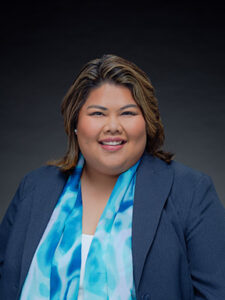
HB 1671: Dental Hygienists; Interim Therapeutic Restorations; Public Health Settings; Dentists; General Supervision
- Session Year: 2025-2026
- House: House
- Latest Version Date: 2026-03-06
Current Status:
Failed
(2026-03-12: Referred to HHS, CPN.)
Introduced
In Committee
First Chamber
In Committee
Second Chamber
Final Decking
Enacted
Allows a licensed dental hygienist to place interim therapeutic restorations in public health settings under the general supervision of licensed dentist. 7/1/3000. (HD2)
Allows a licensed dental hygienist to place interim therapeutic restorations in public health settings under the general supervision of licensed dentist. 7/1/3000. (HD1)
Allows a licensed dental hygienist to place interim therapeutic restorations in public health settings under the general supervision of licensed dentist.
|
HOUSE OF REPRESENTATIVES |
H.B. NO. |
1671 |
|
THIRTY-THIRD LEGISLATURE, 2026 |
H.D. 2 |
|
|
STATE OF HAWAII |
|
|
|
|
|
|
|
|
||
|
|
||
A BILL FOR AN ACT
RELATING TO HEALTH.
BE IT ENACTED BY THE LEGISLATURE OF THE STATE OF HAWAII:
SECTION 1. The legislature finds that states are not doing enough to prevent and address tooth decay, unnecessarily driving up health care costs for families and taxpayers. The legislature further finds that the State has continually failed to support proper oral health amongst its population. Hawaii residents on neighbor islands and those with lower incomes face greater barriers to accessing preventive dental care and treatment. According to the Hawaii Smiles 2015 report, seventy-one per cent of third-grade children in Hawaii experience tooth decay, with those on neighbor islands and those with lower incomes having higher risk due to barriers in access to care. The report recommended expansion of dental services that target high-risk populations. Recent studies have shown that lower-income and neighbor island residents disproportionately use hospital emergency departments to treat preventable dental conditions.
The legislature also finds that in 2013, Hawaii was one of only five states to receive a grade of "F" by the PEW Charitable Trusts (PEW), an indication that Hawaii lagged behind other states' oral health prevention efforts. In a 2015 follow-up report, some states made improvements to their oral health programs, yet Hawaii remained one of three states to still receive a grade of "F". In 2022, PEW reported that racial and ethnic inequities in children's oral health persist throughout the country, with the prevalence of treated and untreated tooth decay considerably higher among certain groups, including Native Hawaiians.
The legislature additionally finds that the American Dental Association and the American Academy of Pediatric Dentistry cite interim therapeutic restoration as an effective strategy in addressing tooth decay when dental restoration in a traditional setting is not feasible. This procedure effectively addresses cavities in individuals without the need for drills and helps improve the capacity of the dental team while expanding their reach in the community.
The legislature further finds that research shows that allowing dental hygienists to perform interim therapeutic restoration in public health settings under the general supervision of a dentist is a cost-effective way to reach at-risk children and adults, address tooth decay in its early stages, and prevent worsening dental conditions and their associated costs. As of January 2026, at least nine states allow dental hygienists to perform interim therapeutic restoration. Removing unnecessary restrictions on dental hygienists is an effective way to mitigate expensive and unnecessary barriers to serving the communities in Hawaii that are at greatest risk for untreated dental conditions.
The legislature therefore finds that the State must take proactive steps to implement measures to strengthen community-based oral health programs, which will support the prevention of advanced tooth decay, as well as its associated physical and financial burdens, among Hawaii residents.
Accordingly, the purpose of this Act is to permit licensed dental hygienists to place interim therapeutic restorations under the general supervision of a licensed dentist in public health settings.
SECTION 2. Section 447-3, Hawaii Revised Statutes, is amended to read as follows:
"§447-3 Employment of and practice by dental hygienists. (a) Any licensed dentist, legally incorporated eleemosynary dental dispensary or infirmary, private school, welfare center, hospital, nursing home, adult day care center or assisted living facility, mental institution, nonprofit health clinic, or the State or any county, may employ licensed dental hygienists.
(b) Clinical dental hygiene may be practiced by a licensed dental hygienist. The practice of clinical dental hygiene is defined as the removal of hard and soft deposits and stains from the portion of the crown and root surfaces to the depth of the gingival sulcus, polishing natural and restored surfaces of teeth, the application of preventive chemical agents to the coronal surfaces of teeth, which chemical agents have been approved by the board of dentistry, and the use of mouth washes approved by the board, but shall not include the performing of any repair work or the preparation thereof, or any other operation on the teeth or tissues of the mouth; provided that nothing in this subsection shall prohibit a dental hygienist from using or applying topically any chemical agent that has been approved in writing by the department of health for any of the purposes set forth in part V of chapter 321, and other procedures delegated by a licensed dentist in accordance with the rules of the board of dentistry.
In addition, a licensed dental hygienist may administer intra-oral infiltration local anesthesia and intra-oral block anesthesia under the supervision of a licensed dentist as provided in section 447-1(f) after being certified by the board, and for those categories of intra-oral infiltration local anesthesia and intra-oral block anesthesia for which the licensed dental hygienist has been certified through a course of study meeting the requirements of this chapter.
(c) A licensed dental hygienist may operate in the office of any licensed dentist, or legally incorporated eleemosynary dental dispensary or infirmary, private school, welfare center, hospital, nursing home, adult day care center or assisted living facility, mental institution, nonprofit health clinic, or in any building owned or occupied by the State or any county, but only under the aforesaid employment and under the direct or general supervision of a licensed dentist as provided in section 447-1(f). No dental hygienist may establish or operate any separate care facility that exclusively renders dental hygiene services.
(d) Notwithstanding section 447-1(f), a licensed dental hygienist may operate under the supervision of any licensed dentist providing dental services in a public health setting. General supervision is permitted in a public health setting; provided that the supervising licensed dentist is available for consultation; provided further that a licensed dental hygienist shall not perform any irreversible procedure or administer any intra-oral block anesthesia under general supervision. In a public health setting, the supervising licensed dentist shall be responsible for all delegated acts and procedures performed by a licensed dental hygienist. Notwithstanding section 447-1(f), a licensed dental hygienist under the general supervision of a licensed dentist employed in a public health setting may perform dental education, dental screenings, teeth cleanings, intra-oral or extra-oral photographs, x-rays if indicated, and fluoride applications on individuals who are not yet patients of record, have not yet been examined by a licensed dentist, or do not have a treatment plan. Other permissible duties shall be pre-screened and authorized by a supervising licensed dentist, subject to the licensed dentist's determination that the equipment and facilities are appropriate and satisfactory to carry out the recommended treatment plan. A licensed dental hygienist shall refer individuals not currently under the care of a licensed dentist and who are seen in a public health setting to a dental facility for further dental care. No direct reimbursements shall be provided to licensed dental hygienists.
[As
used in this subsection, "public health setting"
includes but is not limited to dental services in a legally incorporated
eleemosynary dental dispensary or infirmary, private or public school, welfare
center, community center, public housing, hospital, nursing home, adult day
care center or assisted living facility, mental institution, nonprofit health
clinic or facility, or the State or any county.]
(e) Notwithstanding section 447-1(f), a licensed dental hygienist may perform preventive dental sealant screenings and apply preventive dental sealants on individuals who may or may not yet be patients of record, have not been previously examined by a licensed dentist, or do not have a treatment plan prescribed by a licensed dentist, when under the general supervision of a licensed dentist in a school-based oral health program.
(f) A licensed dental hygienist may place an interim therapeutic restoration in a public health setting under the general supervision of a licensed dentist, when the treatment is planned and prescribed by a licensed dentist, and upon meeting the following requirements:
(1) The licensed dental hygienist has completed and received didactic, laboratory, and clinical training in the clinical applications and placement of interim therapeutic restorations provided by a dental or dental hygiene school program accredited by the Commission on Dental Accreditation, or through a dental continuing education program offered by a provider recognized by the Academy of General Dentistry's Program Approval for Continuing Education, American Dental Association's Continuing Education Recognition Program, or American Academy of Dental Hygiene, Inc.;
(2) For dental continuing education programs, the programs shall have a minimum duration of ten hours in total, including:
(A) Didactic training: Four hours covering the scientific basis for interim therapeutic restorations, materials selection, and placement techniques;
(B) Laboratory training: Two hours in a laboratory or simulated environment for hands-on placement of interim therapeutic restorations; and
(C) Clinical training: Four hours including placement of at least three interim therapeutic restorations on patients;
(3) The supervising licensed dentist shall provide additional hands-on training on the placement of an interim therapeutic restoration, including the properties and handling of dental materials being used and calibration of clinical applications and placement techniques on an annual basis; and
(4) The licensed dental hygienist has been certified by the board of dentistry to meet the requirements determined by the board by rule adopted pursuant to chapter 91.
(g) For purposes of this section:
"Interim therapeutic restoration" means a provisional caries-control technique involving the removal of soft material from the tooth with hand instruments and placement of an adhesive restorative material, primarily for disease control and tooth preservation.
"Licensed dentist" means a dentist licensed under chapter 448.
"Public health setting" includes but is not limited to dental services in a legally incorporated eleemosynary dental dispensary or infirmary, private or public school, welfare center, community center, public housing, hospital, nursing home, adult day care center or assisted living facility, mental institution, nonprofit health clinic or facility, or the State or any county."
SECTION 3. Statutory material to be repealed is bracketed and stricken. New statutory material is underscored.
SECTION 4. This Act shall take effect on July 1, 3000.
Report Title:
Dental Hygienists; Interim Therapeutic Restorations; Public Health Settings; Dentists; General Supervision
Description:
Allows a licensed dental hygienist to place interim therapeutic restorations in public health settings under the general supervision of licensed dentist. 7/1/3000. (HD2)
The summary description of legislation appearing on this page is for informational purposes only and is not legislation or evidence of legislative intent.
|
HOUSE OF REPRESENTATIVES |
H.B. NO. |
1671 |
|
THIRTY-THIRD LEGISLATURE, 2026 |
H.D. 1 |
|
|
STATE OF HAWAII |
|
|
|
|
|
|
|
|
||
|
|
||
A BILL FOR AN ACT
RELATING TO HEALTH.
BE IT ENACTED BY THE LEGISLATURE OF THE STATE OF HAWAII:
SECTION 1. The legislature finds that states are not doing enough to prevent and address tooth decay, unnecessarily driving up health care costs for families and taxpayers. The legislature further finds that the State has continually failed to support proper oral health amongst its population. Hawaii residents on neighbor islands and those with lower incomes face greater barriers to accessing preventive dental care and treatment. According to the Hawaii Smiles 2015 report, seventy-one per cent of third-grade children in Hawaii experience tooth decay, with those on neighbor islands and those with lower incomes having higher risk due to barriers in access to care. The report recommended expansion of dental services that target high-risk populations. Recent studies have shown that lower-income and neighbor island residents disproportionately use hospital emergency departments to treat preventable dental conditions.
The legislature also finds that in 2013, Hawaii was one of only five states to receive a grade of "F" by the PEW Charitable Trusts (PEW), an indication that Hawaii lagged behind other states' oral health prevention efforts. In a 2015 follow-up report, some states made improvements to their oral health programs, yet Hawaii remained one of three states to still receive a grade of "F". In 2022, PEW reported that racial and ethnic inequities in children's oral health persist throughout the country, with the prevalence of treated and untreated tooth decay considerably higher among certain groups, including Native Hawaiians.
The legislature additionally finds that the American Dental Association and the American Academy of Pediatric Dentistry cite interim therapeutic restoration as an effective strategy in addressing tooth decay when dental restoration in a traditional setting is not feasible. This procedure effectively addresses cavities in individuals without the need for drills and helps improve the capacity of the dental team while expanding their reach in the community.
The legislature further finds that research shows that allowing dental hygienists to perform interim therapeutic restoration in public health settings under the general supervision of a dentist is a cost-effective way to reach at-risk children and adults, address tooth decay in its early stages, and prevent worsening dental conditions and their associated costs. As of January 2026, at least nine states allow dental hygienists to perform interim therapeutic restoration. Removing unnecessary restrictions on dental hygienists is an effective way to mitigate expensive and unnecessary barriers to serving the communities in Hawaii that are at greatest risk for untreated dental conditions.
The legislature therefore finds that the State must take proactive steps to implement measures to strengthen community-based oral health programs, which will support the prevention of advanced tooth decay, as well as its associated physical and financial burdens, among Hawaii residents.
Accordingly, the purpose of this Act is to permit licensed dental hygienists to place interim therapeutic restorations under the general supervision of a licensed dentist in public health settings.
SECTION 2. Section 447-3, Hawaii Revised Statutes, is amended to read as follows:
"§447-3 Employment of and practice by dental hygienists. (a) Any licensed dentist, legally incorporated eleemosynary dental dispensary or infirmary, private school, welfare center, hospital, nursing home, adult day care center or assisted living facility, mental institution, nonprofit health clinic, or the State or any county, may employ licensed dental hygienists.
(b) Clinical dental hygiene may be practiced by a licensed dental hygienist. The practice of clinical dental hygiene is defined as the removal of hard and soft deposits and stains from the portion of the crown and root surfaces to the depth of the gingival sulcus, polishing natural and restored surfaces of teeth, the application of preventive chemical agents to the coronal surfaces of teeth, which chemical agents have been approved by the board of dentistry, and the use of mouth washes approved by the board, but shall not include the performing of any repair work or the preparation thereof, or any other operation on the teeth or tissues of the mouth; provided that nothing in this subsection shall prohibit a dental hygienist from using or applying topically any chemical agent that has been approved in writing by the department of health for any of the purposes set forth in part V of chapter 321, and other procedures delegated by a dentist in accordance with the rules of the board of dentistry.
In addition, a licensed dental hygienist may administer intra-oral infiltration local anesthesia and intra-oral block anesthesia under the supervision of a licensed dentist as provided in section 447-1(f) after being certified by the board, and for those categories of intra-oral infiltration local anesthesia and intra-oral block anesthesia for which the licensed dental hygienist has been certified through a course of study meeting the requirements of this chapter.
(c) A licensed dental hygienist may operate in the office of any licensed dentist, or legally incorporated eleemosynary dental dispensary or infirmary, private school, welfare center, hospital, nursing home, adult day care center or assisted living facility, mental institution, nonprofit health clinic, or in any building owned or occupied by the State or any county, but only under the aforesaid employment and under the direct or general supervision of a licensed dentist as provided in section 447-1(f). No dental hygienist may establish or operate any separate care facility that exclusively renders dental hygiene services.
(d) Notwithstanding section 447-1(f), a licensed dental hygienist may operate under the supervision of any licensed dentist providing dental services in a public health setting. General supervision is permitted in a public health setting; provided that the supervising licensed dentist is available for consultation; provided further that a licensed dental hygienist shall not perform any irreversible procedure or administer any intra-oral block anesthesia under general supervision. In a public health setting, the supervising licensed dentist shall be responsible for all delegated acts and procedures performed by a licensed dental hygienist. Notwithstanding section 447-1(f), a licensed dental hygienist under the general supervision of a licensed dentist employed in a public health setting may perform dental education, dental screenings, teeth cleanings, intra-oral or extra-oral photographs, x-rays if indicated, and fluoride applications on individuals who are not yet patients of record, have not yet been examined by a licensed dentist, or do not have a treatment plan. Other permissible duties shall be pre-screened and authorized by a supervising licensed dentist, subject to the dentist's determination that the equipment and facilities are appropriate and satisfactory to carry out the recommended treatment plan. A licensed dental hygienist shall refer individuals not currently under the care of a dentist and who are seen in a public health setting to a dental facility for further dental care. No direct reimbursements shall be provided to licensed dental hygienists.
[As
used in this subsection, "public health setting"
includes but is not limited to dental services in a legally incorporated
eleemosynary dental dispensary or infirmary, private or public school, welfare
center, community center, public housing, hospital, nursing home, adult day
care center or assisted living facility, mental institution, nonprofit health
clinic or facility, or the State or any county.]
(e) Notwithstanding section 447-1(f), a licensed dental hygienist may perform preventive dental sealant screenings and apply preventive dental sealants on individuals who may or may not yet be patients of record, have not been previously examined by a licensed dentist, or do not have a treatment plan prescribed by a licensed dentist, when under the general supervision of a licensed dentist in a school-based oral health program.
(f) A licensed dental hygienist may place an interim therapeutic restoration in a public health setting under the general supervision of a licensed dentist, when the treatment is planned and prescribed by a licensed dentist, and upon meeting the following requirements:
(1) The licensed dental hygienist has completed and received didactic, laboratory, and clinical training in the clinical applications and placement of interim therapeutic restorations provided by a dental or dental hygiene school program accredited by the Commission on Dental Accreditation, or through a dental continuing education program offered by a provider recognized by the Academy of General Dentistry's Program Approval for Continuing Education, American Dental Association's Continuing Education Recognition Program, or American Academy of Dental Hygiene, Inc.;
(2) For dental continuing education programs, the programs shall have a minimum duration of ten hours in total, including:
(A) Didactic training: Four hours covering the scientific basis for interim therapeutic restorations, materials selection, and placement techniques;
(B) Laboratory training: Two hours in a laboratory or simulated environment for hands-on placement of interim therapeutic restorations; and
(C) Clinical training: Four hours including placement of at least three interim therapeutic restorations on patients; and
(3) The supervising licensed dentist shall provide additional hands-on training on the placement of an interim therapeutic restoration, including the properties and handling of dental materials being used and calibration of clinical applications and placement techniques on an annual basis.
(g) For purposes of this section:
"Interim therapeutic restoration" means a provisional caries-control technique involving the removal of soft material from the tooth with hand instruments and placement of an adhesive restorative material, primarily for disease control and tooth preservation.
"Licensed dentist" means a dentist licensed under chapter 448.
"Public health setting" includes but is not limited to dental services in a legally incorporated eleemosynary dental dispensary or infirmary, private or public school, welfare center, community center, public housing, hospital, nursing home, adult day care center or assisted living facility, mental institution, nonprofit health clinic or facility, or the State or any county."
SECTION 3. Statutory material to be repealed is bracketed and stricken. New statutory material is underscored.
SECTION 4. This Act shall take effect on July 1, 3000.
Report Title:
Dental Hygienists; Interim Therapeutic Restorations; Public Health Settings; Dentists; General Supervision
Description:
Allows a licensed dental hygienist to place interim therapeutic restorations in public health settings under the general supervision of licensed dentist. 7/1/3000. (HD1)
The summary description of legislation appearing on this page is for informational purposes only and is not legislation or evidence of legislative intent.
|
HOUSE OF REPRESENTATIVES |
H.B. NO. |
1671 |
|
THIRTY-THIRD LEGISLATURE, 2026 |
|
|
|
STATE OF HAWAII |
|
|
|
|
|
|
|
|
||
|
|
||
A BILL FOR AN ACT
Relating to Health.
BE IT ENACTED BY THE LEGISLATURE OF THE STATE OF HAWAII:
SECTION 1. The legislature finds that states are not doing enough to prevent and address tooth decay, unnecessarily driving up health care costs for families and taxpayers. The legislature further finds that the State has continually failed to support proper oral health amongst its population. Hawaii residents on neighbor islands and those with lower incomes face greater barriers to accessing preventive dental care and treatment. According to the Hawaii Smiles 2015 report, seventy-one per cent of third-grade children in Hawaii experience tooth decay, with those on neighbor islands and those with lower incomes having higher risk due to barriers in access to care. The report recommended expansion of dental services that target high-risk populations. Recent studies have shown that lower-income and neighbor island residents disproportionately use hospital emergency departments to treat preventable dental conditions.
The legislature also finds that in 2013, Hawaii was one of only five states to receive a grade of "F" by the PEW Charitable Trusts, an indication that Hawaii lagged behind other states' oral health prevention efforts. In a 2015 follow-up report, some states made improvements to their oral health programs, yet Hawaii remained one of three states to still receive a grade of "F". In 2022, PEW reported that racial and ethnic inequities in children's oral health persist throughout the country, with the prevalence of treated and untreated tooth decay considerably higher among certain groups, including Native Hawaiians.
The legislature additionally finds that the American Dental Association and the American Academy of Pediatric Dentistry cite interim therapeutic restoration as an effective strategy in addressing tooth decay when dental restoration in a traditional setting is not feasible. This procedure effectively addresses cavities in individuals without the need for drills and helps improve the capacity of the dental team while expanding their reach in the community.
The legislature further finds that research shows that allowing dental hygienists to perform interim therapeutic restoration in public health settings under the general supervision of a dentist is a cost-effective way to reach at-risk children and adults, address tooth decay in its early stages, and prevent worsening dental conditions and their associated costs. As of January 2026, at least nine states allow dental hygienists to perform interim therapeutic restoration. Removing unnecessary restrictions on dental hygienists is an effective way to mitigate expensive and unnecessary barriers to serving those Hawaii communities that are at greatest risk for untreated dental conditions.
The legislature therefore finds that the State must take proactive steps to implement measures to strengthen community-based oral health programs, which will support the prevention of advanced tooth decay, as well as its associated physical and financial burdens, among Hawaii residents.
Accordingly, the purpose of this Act is to permit licensed dental hygienists to perform interim therapeutic restorations under the general supervision of a licensed dentist in public health settings.
SECTION 2. Section 447-3, Hawaii Revised Statutes, is amended to read as follows:
"§447-3 Employment of and practice by dental hygienists. (a) Any licensed dentist, legally incorporated eleemosynary dental dispensary or infirmary, private school, welfare center, hospital, nursing home, adult day care center or assisted living facility, mental institution, nonprofit health clinic, or the State or any county, may employ licensed dental hygienists.
(b) Clinical dental hygiene may be practiced by a licensed dental hygienist. The practice of clinical dental hygiene is defined as the removal of hard and soft deposits and stains from the portion of the crown and root surfaces to the depth of the gingival sulcus, polishing natural and restored surfaces of teeth, the application of preventive chemical agents to the coronal surfaces of teeth, which chemical agents have been approved by the board of dentistry, and the use of mouth washes approved by the board, but shall not include the performing of any repair work or the preparation thereof, or any other operation on the teeth or tissues of the mouth; provided that nothing in this subsection shall prohibit a dental hygienist from using or applying topically any chemical agent that has been approved in writing by the department of health for any of the purposes set forth in part V of chapter 321, and other procedures delegated by a dentist in accordance with the rules of the board of dentistry.
In addition, a licensed dental hygienist may administer intra-oral infiltration local anesthesia and intra-oral block anesthesia under the supervision of a licensed dentist as provided in section 447-1(f) after being certified by the board, and for those categories of intra-oral infiltration local anesthesia and intra-oral block anesthesia for which the licensed dental hygienist has been certified through a course of study meeting the requirements of this chapter.
(c) A licensed dental hygienist may operate in the office of any licensed dentist, or legally incorporated eleemosynary dental dispensary or infirmary, private school, welfare center, hospital, nursing home, adult day care center or assisted living facility, mental institution, nonprofit health clinic, or in any building owned or occupied by the State or any county, but only under the aforesaid employment and under the direct or general supervision of a licensed dentist as provided in section 447-1(f). No dental hygienist may establish or operate any separate care facility that exclusively renders dental hygiene services.
(d) Notwithstanding section 447-1(f), a licensed dental hygienist may operate under the supervision of any licensed dentist providing dental services in a public health setting. General supervision is permitted in a public health setting; provided that the supervising licensed dentist is available for consultation; provided further that a licensed dental hygienist shall not perform any irreversible procedure or administer any intra-oral block anesthesia under general supervision. In a public health setting, the supervising licensed dentist shall be responsible for all delegated acts and procedures performed by a licensed dental hygienist. Notwithstanding section 447-1(f), a licensed dental hygienist under the general supervision of a licensed dentist employed in a public health setting may perform dental education, dental screenings, teeth cleanings, intra-oral or extra-oral photographs, x-rays if indicated, and fluoride applications on individuals who are not yet patients of record, have not yet been examined by a licensed dentist, or do not have a treatment plan. Other permissible duties shall be pre-screened and authorized by a supervising licensed dentist, subject to the dentist's determination that the equipment and facilities are appropriate and satisfactory to carry out the recommended treatment plan. A licensed dental hygienist shall refer individuals not currently under the care of a dentist and who are seen in a public health setting to a dental facility for further dental care. No direct reimbursements shall be provided to licensed dental hygienists.
[As
used in this subsection, "public health setting"
includes but is not limited to dental services in a legally incorporated
eleemosynary dental dispensary or infirmary, private or public school, welfare
center, community center, public housing, hospital, nursing home, adult day
care center or assisted living facility, mental institution, nonprofit health
clinic or facility, or the State or any county.]
(e) Notwithstanding section 447-1(f), a licensed dental hygienist may perform preventive dental sealant screenings and apply preventive dental sealants on individuals who may or may not yet be patients of record, have not been previously examined by a licensed dentist, or do not have a treatment plan prescribed by a licensed dentist, when under the general supervision of a licensed dentist in a school-based oral health program.
(f) A licensed dental hygienist may place an interim therapeutic restoration in a public health setting under the general supervision of a licensed dentist, when the treatment is planned and prescribed by a licensed dentist, and upon meeting the following requirements:
(1) The licensed dental hygienist has completed and received didactic, laboratory, and clinical training in the clinical applications and placement of interim therapeutic restorations provided by a dental or dental hygiene school program accredited by the Commission on Dental Accreditation, or through a dental continuing education program offered by a provider recognized by the Academy of General Dentistry's Program Approval for Continuing Education, American Dental Association's Continuing Education Recognition Program, or American Academy of Dental Hygiene, Inc.;
(2) For dental continuing education programs, the programs shall have a minimum duration of ten hours in total, including:
(A) Didactic training: Four hours covering the scientific basis for interim therapeutic restorations, materials selection, and placement techniques;
(B) Laboratory training: Two hours in a laboratory or simulated environment for hands-on placement of interim therapeutic restorations; and
(C) Clinical training: Four hours including placement of at least three interim therapeutic restorations on patients; and
(3) The supervising licensed dentist shall provide additional hands-on training on the placement of an interim therapeutic restoration, including the properties and handling of dental materials being used and calibration of clinical applications and placement techniques on an annual basis.
For purposes of this subsection, "interim therapeutic restoration" means a provisional caries-control technique involving the removal of soft material from the tooth with hand instruments and placement of an adhesive restorative material, primarily for disease control and tooth preservation.
(g) For purposes of this section:
"Licensed dentist" means a dentist licensed under chapter 448.
"Public health setting" includes but is not limited to dental services in a legally incorporated eleemosynary dental dispensary or infirmary, private or public school, welfare center, community center, public housing, hospital, nursing home, adult day care center or assisted living facility, mental institution, nonprofit health clinic or facility, or the State or any county."
SECTION 3. Statutory material to be repealed is bracketed and stricken. New statutory material is underscored.
SECTION 4. This Act shall take effect on July 1, 2026.
|
INTRODUCED BY: |
_____________________________ |
|
|
|
Report Title:
Dental Hygienists; Interim Therapeutic Restoration; Public Health Settings; General Supervision
Description:
Allows a licensed dental hygienist to place interim therapeutic restorations in public health settings under the general supervision of licensed dentist.
The summary description of legislation appearing on this page is for informational purposes only and is not legislation or evidence of legislative intent.
|
Date
|
Status
|
|---|---|
| Mar 12, 2026 | Referred to HHS, CPN. |
| Mar 12, 2026 | Passed First Reading. |
| Mar 12, 2026 | Received from House (Hse. Com. No. 259). |
| Mar 10, 2026 | Passed Third Reading as amended in HD 2 with none voting aye with reservations; none voting no (0) and Representative(s) Kong, Pierick excused (2). Transmitted to Senate. |
| Mar 6, 2026 | Forty-eight (48) hours notice Tuesday, 03-10-26. |
| Mar 6, 2026 | Reported from CPC (Stand. Com. Rep. No. 1061-26) as amended in HD 2, recommending passage on Third Reading. |
| Feb 24, 2026 | The committee on CPC recommend that the measure be PASSED, WITH AMENDMENTS. The votes were as follows: 11 Ayes: Representative(s) Matayoshi, Grandinetti, Chun, Ilagan, Ichiyama, Iwamoto, Kong, Lowen, Marten, Tam, Pierick; Ayes with reservations: none; Noes: none; and Excused: none. |
| Feb 20, 2026 | Bill scheduled to be heard by CPC on Tuesday, 02-24-26 2:00PM in House conference room 329 VIA VIDEOCONFERENCE. |
| Feb 18, 2026 | Passed Second Reading as amended in HD 1 and referred to the committee(s) on CPC with none voting aye with reservations; none voting no (0) and none excused (0). |
| Feb 18, 2026 | Reported from HLT (Stand. Com. Rep. No. 348-26) as amended in HD 1, recommending passage on Second Reading and referral to CPC. |
| Feb 13, 2026 | The committee on HLT recommend that the measure be PASSED, WITH AMENDMENTS. The votes were as follows: 9 Ayes: Representative(s) Takayama, Keohokapu-Lee Loy, Amato, Hartsfield, Marten, Olds, Takenouchi, Alcos, Garcia; Ayes with reservations: none; Noes: none; and Excused: none. |
| Feb 10, 2026 | Bill scheduled to be heard by HLT on Friday, 02-13-26 9:00AM in House conference room 329 VIA VIDEOCONFERENCE. |
| Jan 26, 2026 | Referred to HLT, CPC, referral sheet 1 |
| Jan 21, 2026 | Introduced and Pass First Reading. |
| Jan 20, 2026 | Prefiled. |
|
Date
|
Description
|
Location
|
Votes
|
|
|---|---|---|---|---|
| Mar 10, 2026 | Third Reading | House Floor |
Passed |
|
| Feb 24, 2026 | The committee on CPC recommend that the measure be PASSED, WITH AMENDMENTS | House Standing Committee on Consumer Protection & Commerce |
Passed |
|
| Feb 13, 2026 | The committee on HLT recommend that the measure be PASSED, WITH AMENDMENTS | House Standing Committee on Health |
Passed |
This list shows positions taken on this bill by organizations on the date displayed, which is linked to the original source.
Positions by individuals are not included.
|
Organization
|
Position
|
Date
|
|---|---|---|
| AlohaCare | *** Support | Feb 24, 2026 |
| AlohaCare | ** Support | |
| California Northstate University College of Dental Medicine | *** Support | Feb 24, 2026 |
| Department of Health | *** Support | Feb 24, 2026 |
| Department of Health | ** Support | |
| Grassroot Institute of Hawaii | ** Support | |
| Hawaii Dental Service | ** Support | |
| Hawaii Board of Dentistry | ** Support | |
| Hawaii Dental Hygienists' Association | ** Support | |
| Hawaiʻi Oral Health Coalition | ** Support | |
| Hawai‘i Oral Health Coalition | *** Support | Feb 24, 2026 |
| Hawai‘i Public Health Institute | *** Support | Feb 24, 2026 |
| Kōkua Kalihi Valley Comprehensive Family Services | ** Support | |
| Kokua Kalihi Valley Comprehensive Family Services | *** Support | Feb 13, 2026 |
| University of Hawaiʻi at Mānoa School of Nursing and Dental Hygiene | ** Support | |
| University of Hawai‘i at Mānoa, School of Nursing and Dental Hygiene | *** Support | Feb 24, 2026 |
| University of Hawai‘i System | *** Support | Feb 24, 2026 |
STAND. COM. REP. NO. 1061-26
Honolulu, Hawaii
, 2026
RE: H.B. No. 1671
H.D. 2
Honorable Nadine K. Nakamura
Speaker, House of Representatives
Thirty-Third State Legislature
Regular Session of 2026
State of Hawaii
Madame:
Your Committee on Consumer Protection & Commerce, to which was referred H.B. No. 1671, H.D. 1, entitled:
"A BILL FOR AN ACT RELATING TO HEALTH,"
begs leave to report as follows:
Your Committee received testimony in support of this measure from the Department of Health; University of Hawaiʻi at Mānoa School of Nursing and Dental Hygiene; Hawaiʻi Oral Health Coalition; Hawaii Dental Hygienists' Association; Grassroot Institute of Hawaii; AlohaCare; Hawaii Dental Service; and five individuals. Your Committee received comments on this measure from the Board of Dentistry and Hawaii Dental Association.
Your Committee finds that many Hawaii residents lack sufficient access to traditional dental clinics and rely on community-based care options in public health settings. Unfortunately, options for delivering preventive services, such as interim therapeutic restorations, are limited in these settings. Your Committee further finds that allowing trained dental hygienists to place interim therapeutic restorations in public health settings while under a licensed dentist's general supervision is a cost-effective way to reach at-risk children and adults in the community. Your Committee also finds that taking proactive steps to strengthen community-based oral health programs improves access to early treatment and reduces the prevalence of advanced tooth decay among Hawaii residents, thereby reducing the need for more costly and urgent treatment in the future.
Your Committee has amended this measure by:
(1) Adding an additional requirement for licensed dental hygienists to be certified by the Board of Dentistry as meeting the requirements established by the Board; and
(2) Making technical, nonsubstantive amendments for the purposes of clarity, consistency, and style.
As affirmed by the record of votes of the members of your Committee on Consumer Protection & Commerce that is attached to this report, your Committee is in accord with the intent and purpose of H.B. No. 1671, H.D. 1, as amended herein, and recommends that it pass Third Reading in the form attached hereto as H.B. No. 1671, H.D. 2.
Respectfully submitted on behalf of the members of the Committee on Consumer Protection & Commerce,
|
|
|
____________________________ SCOT Z. MATAYOSHI, Chair |
|
|
|
|
STAND. COM. REP. NO. 348-26
Honolulu, Hawaii
, 2026
RE: H.B. No. 1671
H.D. 1
Honorable Nadine K. Nakamura
Speaker, House of Representatives
Thirty-Third State Legislature
Regular Session of 2026
State of Hawaii
Madame:
Your Committee on Health, to which was referred H.B. No. 1671 entitled:
"A BILL FOR AN ACT RELATING TO HEALTH,"
begs leave to report as follows:
The purpose of this measure is to permit licensed dental hygienists to place interim therapeutic restorations under the general supervision of a licensed dentist in public health settings.
Your Committee received testimony in support of this measure from the Department of Health; Hawaii Board of Dentistry; Kōkua Kalihi Valley Comprehensive Family Services; AlohaCare; Hawaiʻi Oral Health Coalition; Hawaii Dental Service; Hawaii Dental Hygienists' Association; Grassroot Institute of Hawaii; and six individuals. Your Committee received comments on this measure from the Hawaii Dental Association.
Your Committee finds that Hawaii continues to face significant and preventable oral health disparities, particularly among children, neighbor island residents, Native Hawaiians, and individuals from lower‑income households. Your Committee further finds that interim therapeutic restorations are an effective, minimally invasive, and evidence-based strategy for addressing tooth decay when dental restoration in a traditional setting is not feasible. Interim therapeutic restorations are also a type of therapy that can be safely carried out by a dental hygienist under the general supervision of a dentist. This measure seeks to improve oral health outcomes, promote health equity, and support more efficient delivery of dental care across the State by removing unnecessary restrictions on the types of treatment that may be performed by a supervised dental hygienist.
Your Committee has amended this measure by:
(1) Changing the effective date to July 1, 3000, to encourage further discussion; and
(2) Making technical, nonsubstantive amendments for the purposes of clarity, consistency, and style.
As affirmed by the record of votes of the members of your Committee on Health that is attached to this report, your Committee is in accord with the intent and purpose of H.B. No. 1671, as amended herein, and recommends that it pass Second Reading in the form attached hereto as H.B. No. 1671, H.D. 1, and be referred to your Committee on Consumer Protection & Commerce.
Respectfully submitted on behalf of the members of the Committee on Health,
|
|
|
____________________________ GREGG TAKAYAMA, Chair |
|
|
|
|
|
Date
|
Testimony PDF
|
|---|---|
| Feb 24, 2026 | HB1671_HD1_TESTIMONY_CPC_02-24-26_.PDF |
| Feb 13, 2026 | HB1671_TESTIMONY_HLT_02-13-26_.PDF |
Discussed in Hearing
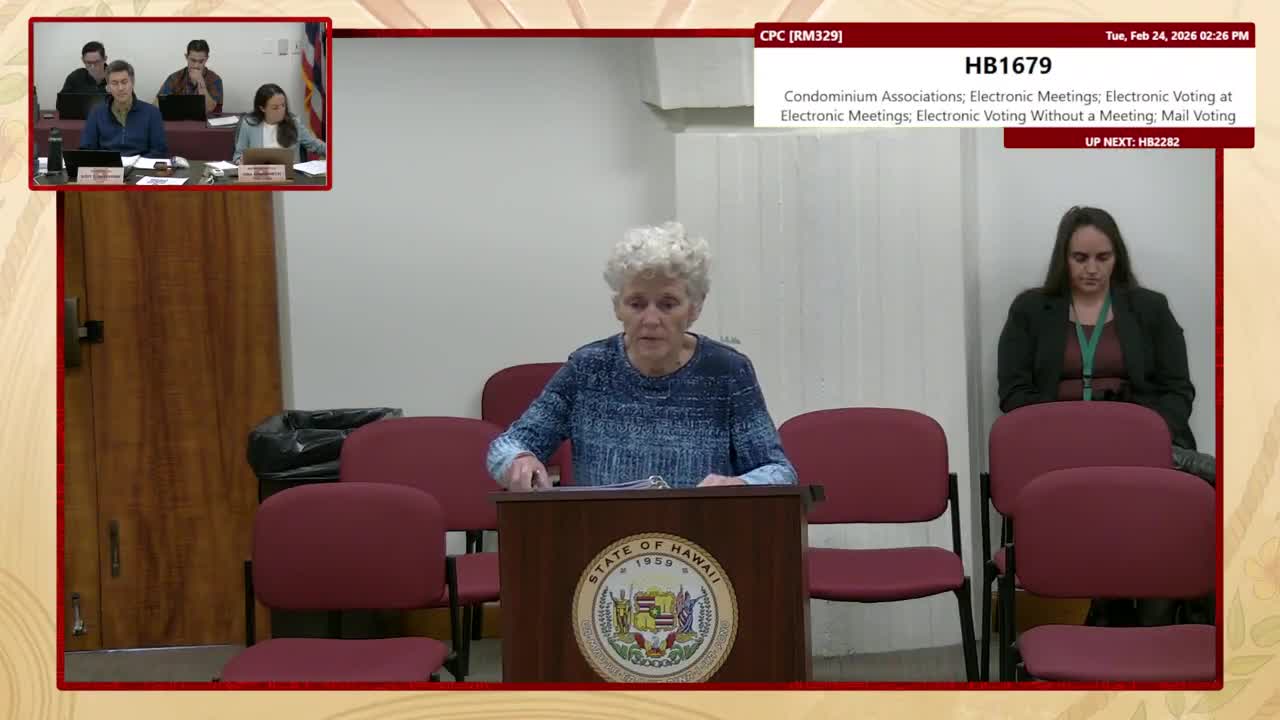 5MIN
House Standing Committee on Consumer Protection & Commerce
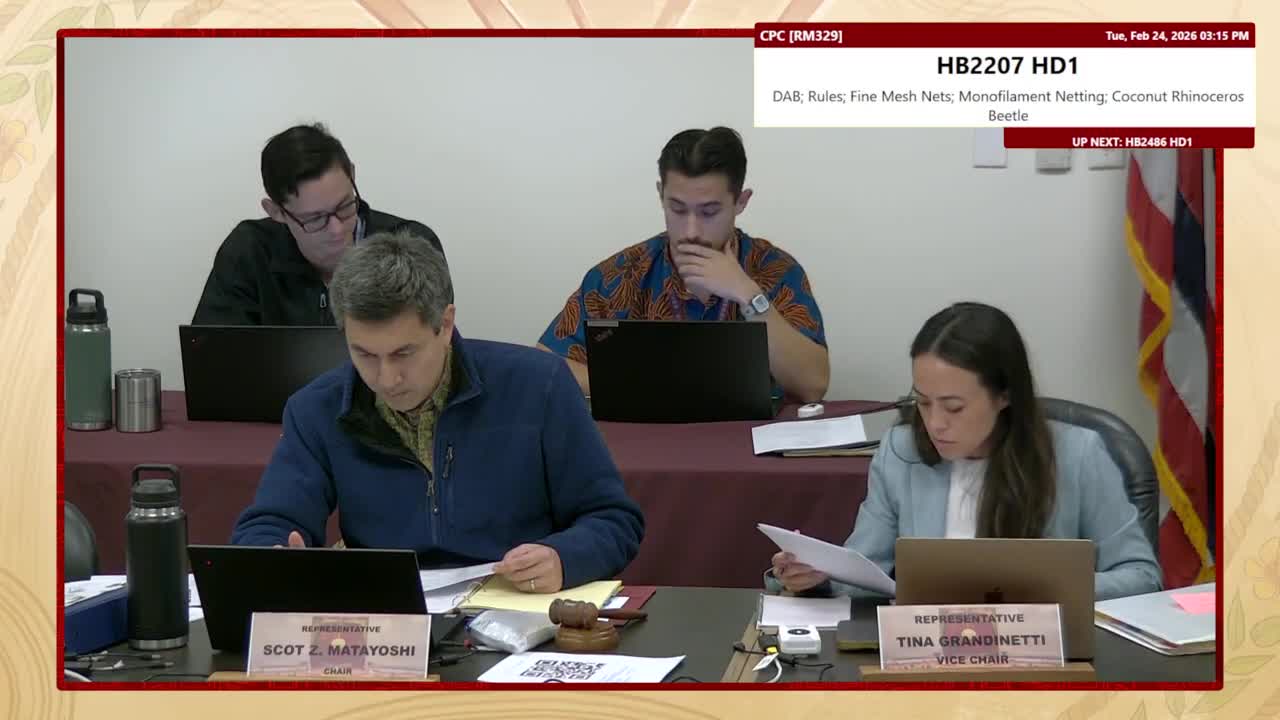 1MIN
House Standing Committee on Consumer Protection & Commerce
 2MIN
House Standing Committee on Health
 42SEC
House Standing Committee on Health
Bill Author