Lawmakers have been pouring more money into new housing but affordability and homelessness are still major problems.
In the 2025 legislative session, state House and Senate lawmakers earmarked almost $400 million for housing subsidies and public housing developments over the next two years to try to make a dent in the increasingly desperate statewide need for affordable housing. Legislators also approved spending hundreds of millions of dollars for Gov. Josh Green’s kauhale (tiny home) program for the homeless, to create new housing units by redeveloping state properties and for the Rental Housing Revolving Fund and the Dwelling Unit Revolving Fund, which are used to subsidize housing projects.
Quick Facts
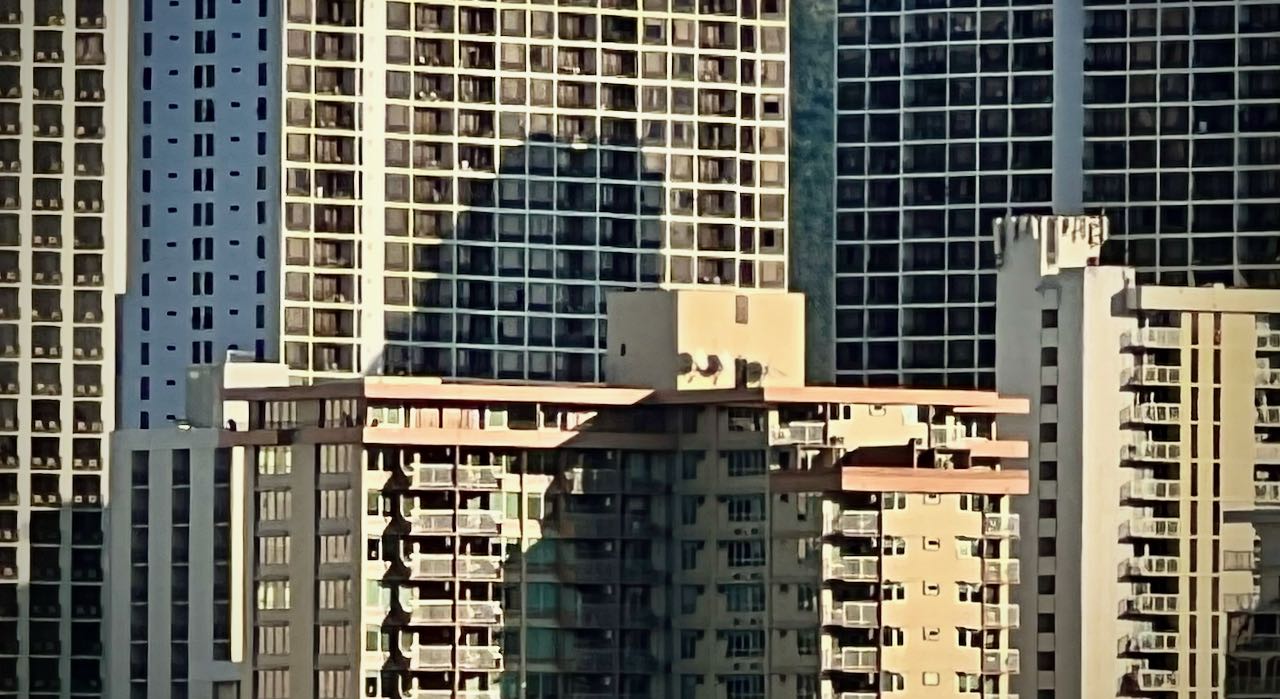
- Expensive market: Hawai‘i has the highest home prices in the nation, and is second only to California for the highest median rent in the country.
- Houses vs. condos: The median price of a single-family home sold in 2024 was $950,000, which was 6% higher than 2023. But the median price for a condominium sale was $600,000, or 6% lower than 2023.
- Homeless: A total of 6,389 people experienced homelessness in the state of Hawai’i in 2024, with the majority of them on Oʻahu.
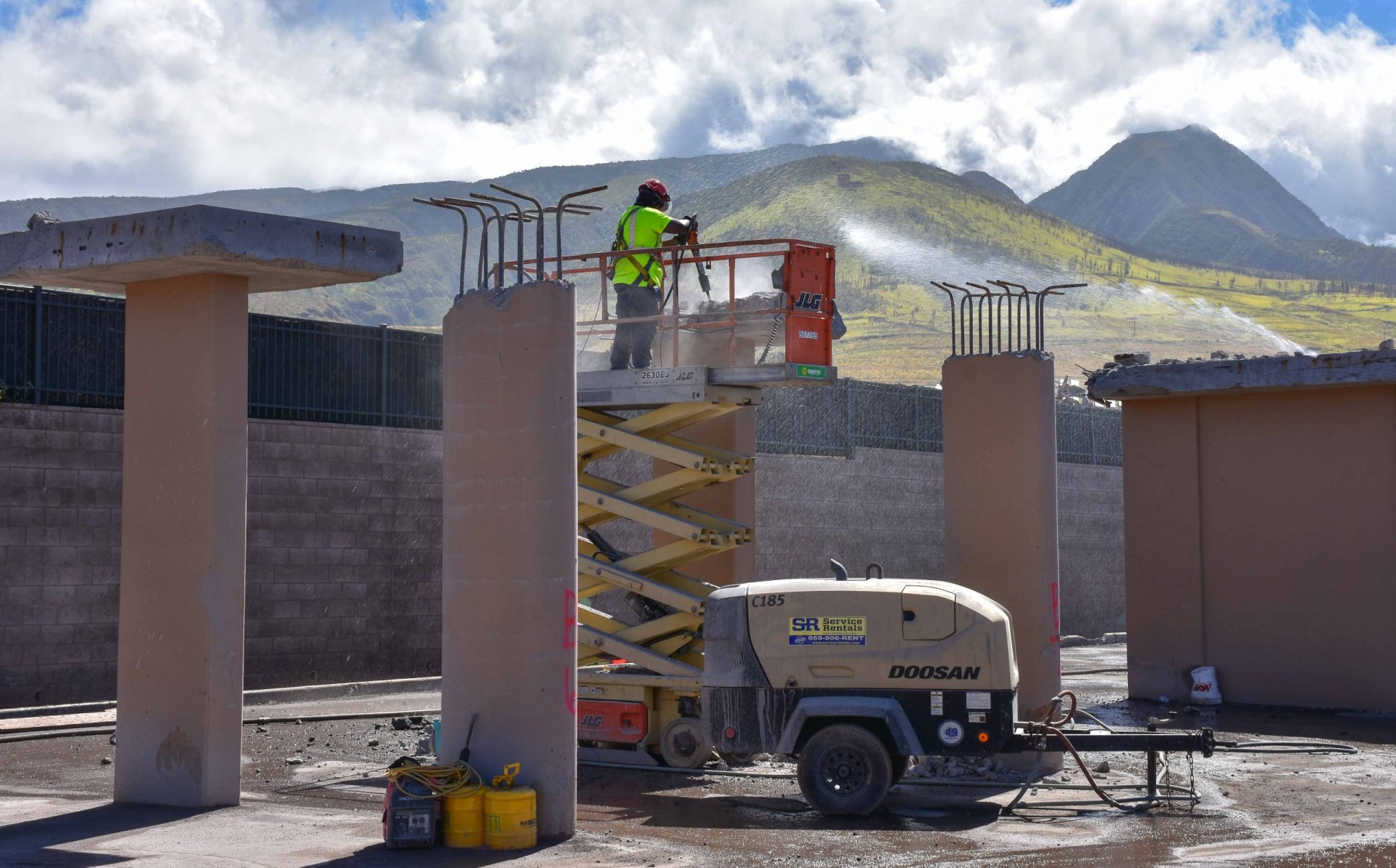
- STR conversion: Due to the 2023 Lahaina wildfires, Maui County is considering converting thousands of short-term rentals into long-term housing.
Housing Bills
In Focus
Here are all of the bills considered in the current session involving housing, including some aimed at reducing homelessness. Highlighted bills are identified by Civil Beat as among the most significant this year. “In progress” status includes bills that may have been deferred but are technically still alive until the end of the two-year Legislature.
HB 2049 Failed

Restructures the conveyance tax to a marginal rate system for the sale of properties with residential use, adjusts the tax for multifamily properties to reflect value on a per-unit basis, and applies a cost-of-living adjustment to conveyance tax rates. Allocates revenues from conveyance tax collections. Allocates a portion of conveyance tax collections to the Dwelling Unit Revolving Fund to fund infrastructure programs in areas that meet minimum standards of transit-supportive density. Allocates a portion of conveyance tax revenues to the Hawaiian Home Lands Infrastructure and Housing Special Fund. Establishes and appropriates funds out of the Hawaiian Home Lands Infrastructure and Housing Special Fund. Effective 7/1/3000. (HD3)
SB 3219 Passed
Proposes constitutional amendments to expressly provide that the Legislature may authorize political subdivisions, such as the counties, to issue housing infrastructure growth bonds for specified public works, public improvements, or other actions necessary for housing and community development, and exclude these bonds from determinations of the funded debt of the political subdivisions. Effective 7/1/3000. (HD1)
HB 1725 Failed
Part I: Fixes the applicable building codes, standards, and county amendments for the life of a building permit, subject to certain exceptions and rules. Part II: Specifies the applicability of the International Residential Code. Authorizes a county to adopt amendments to the Hawaiʻi state building code, under certain circumstances, and repeals the counties' existing authority to amend or adopt the buildings code without council approval. Changes the adoption of the Hawaiʻi state building code from a two-year cycle to a six-year cycle. Part III: Appropriates funds for the State Building Code Council for staffing and necessary consultant services. Effective 7/1/3000. (HD2)
SB 2192 Failed
Authorizes a county to reduce the aggregate zoned residential capacity within the county only if the county offsets that reduction by increasing zoned residential capacity elsewhere in the county, such that there is no net loss in residential capacity in the county. Effective 7/1/3000. (HD1)
HB 1064
STATE FIRE MARSHAL; STATE FIRE COUNCIL; STATE FIRE CODES; STATE
FIRE MARSHAL SELECTION COMMISSION; REPORTS; APPROPRIATION
In Progress Committee: House Standing Committee on Public Safety
STATE FIRE MARSHAL; STATE FIRE COUNCIL; STATE FIRE CODES; STATE
FIRE MARSHAL SELECTION COMMISSION; REPORTS; APPROPRIATIONCommittee: House Standing Committee on Public Safety
HB 830
DLNR;
SHPD; REVIEW AND COMMENT; HISTORIC PRESERVATION REVIEW; RESIDENTIAL UNITS;
MIXED-USE DEVELOPMENT; THIRD-PARTY CONSULTANTS
In Progress Committee: House Standing Committee on Housing
DLNR;
SHPD; REVIEW AND COMMENT; HISTORIC PRESERVATION REVIEW; RESIDENTIAL UNITS;
MIXED-USE DEVELOPMENT; THIRD-PARTY CONSULTANTSCommittee: House Standing Committee on Housing
HB 1001
MAUI
WILDFIRES SETTLEMENT TRUST FUND; ESTABLISHMENT; APPROPRIATIONS
In Progress Committee: House Standing Committee on Judiciary & Hawaiian Affairs
MAUI
WILDFIRES SETTLEMENT TRUST FUND; ESTABLISHMENT; APPROPRIATIONSCommittee: House Standing Committee on Judiciary & Hawaiian Affairs
SB 223
DLNR;
FORESTRY AND WILDLIFE; STATE FIRE COUNCIL; STATE FIRE CODE; PROPERTY OWNERS;
HAZARDOUS FIRE AREAS; FIRE PREVENTION; COMMUNITY FUELS REDUCTION PROJECT;
REPORT; BUDGET; APPROPRIATIONS
In Progress Committee: Senate Standing Committee on Water and Land
DLNR;
FORESTRY AND WILDLIFE; STATE FIRE COUNCIL; STATE FIRE CODE; PROPERTY OWNERS;
HAZARDOUS FIRE AREAS; FIRE PREVENTION; COMMUNITY FUELS REDUCTION PROJECT;
REPORT; BUDGET; APPROPRIATIONSCommittee: Senate Standing Committee on Water and Land
SB 1296
RECONSTRUCTION;
DEVELOPMENT; SPECIAL MANAGEMENT AREAS; DISASTER RECOVERY; WILDFIRE RECOVERY
In Progress Committee: Senate Standing Committee on Water and Land
RECONSTRUCTION;
DEVELOPMENT; SPECIAL MANAGEMENT AREAS; DISASTER RECOVERY; WILDFIRE RECOVERYCommittee: Senate Standing Committee on Water and Land
STATE
BONDS; STATE BUDGETCommittee: House Standing Committee on Finance
Key Players
Legislative Leaders
These are the leaders in the Legislature for housing issues as identified by Civil Beat.
Stanley Chang
District 9, Oʻahu
Luke Evslin
District 16, Kauaʻi
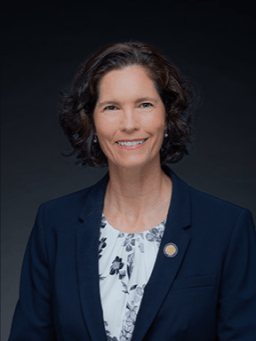
Lisa Marten
District 51, Oʻahu
Troy Hashimoto
District 5, Maui
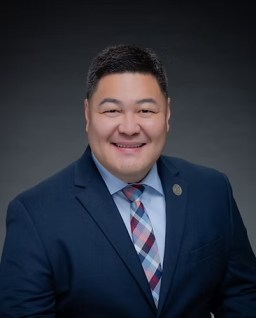
Tyson Miyake
District 10, Maui
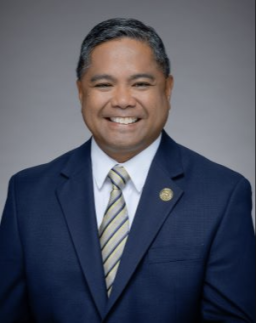
Henry Aquino
District 19, Oʻahu
Non-Legislative Leaders
Other than legislators, these are the people or organizations that have been most active on housing and homelessness issues.