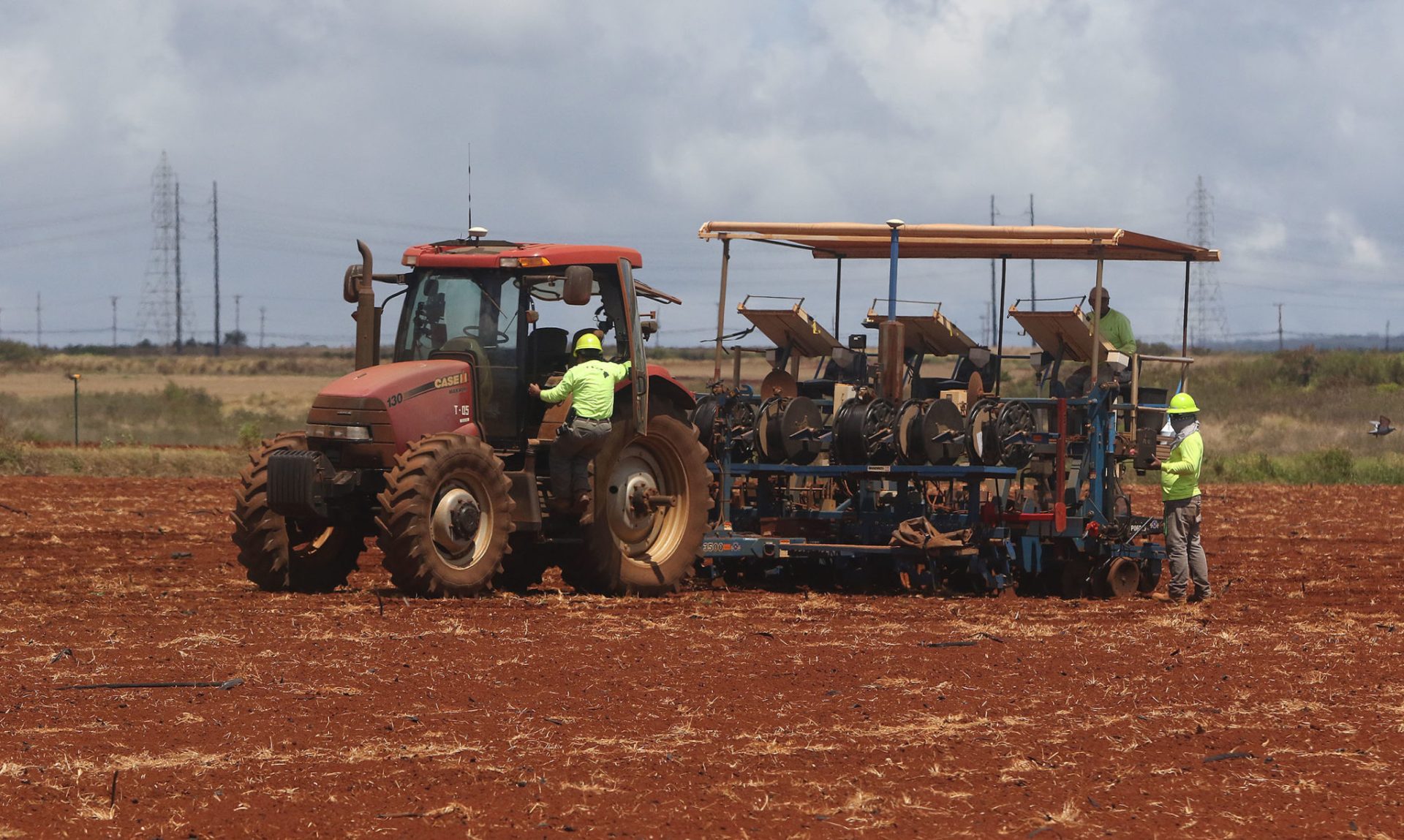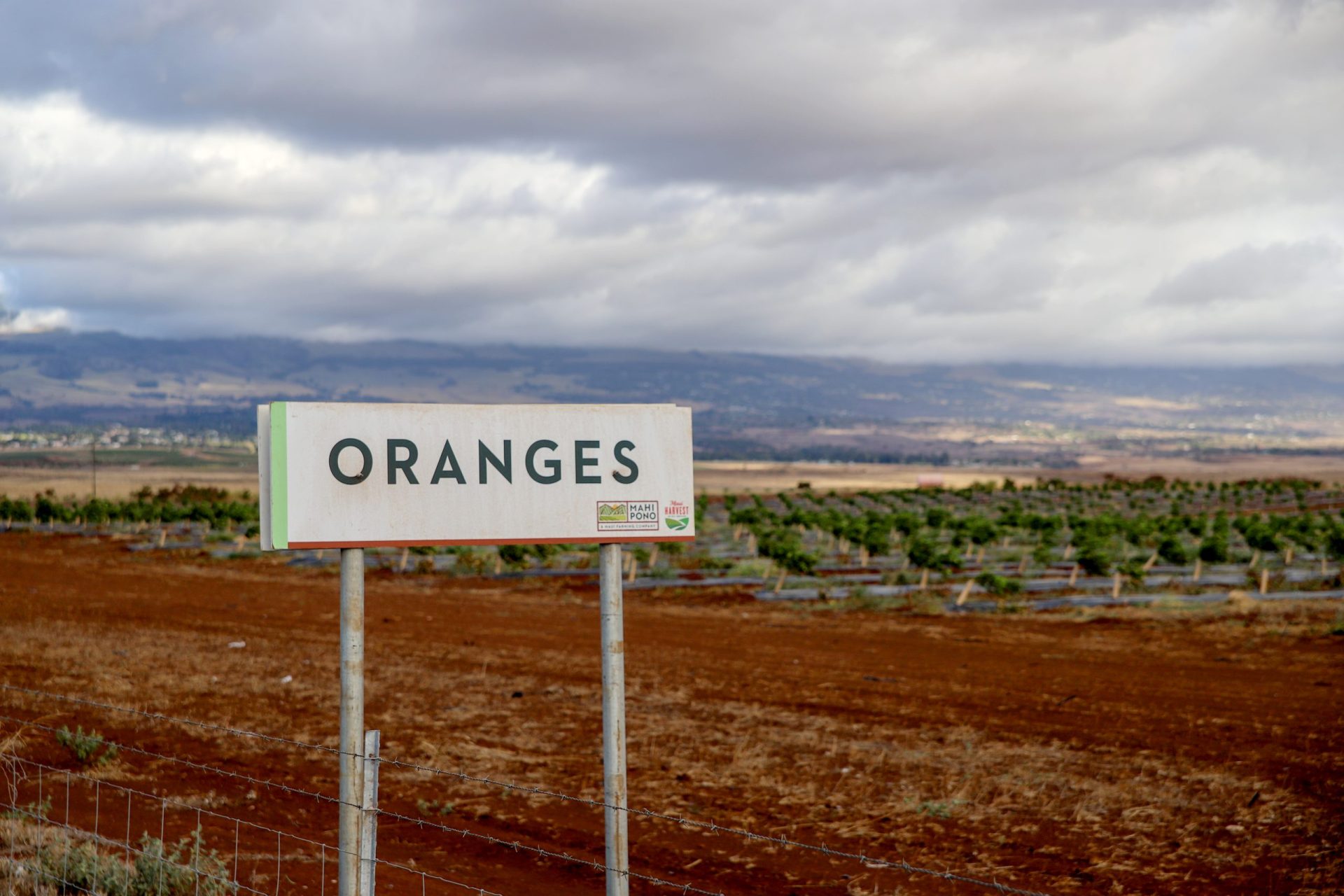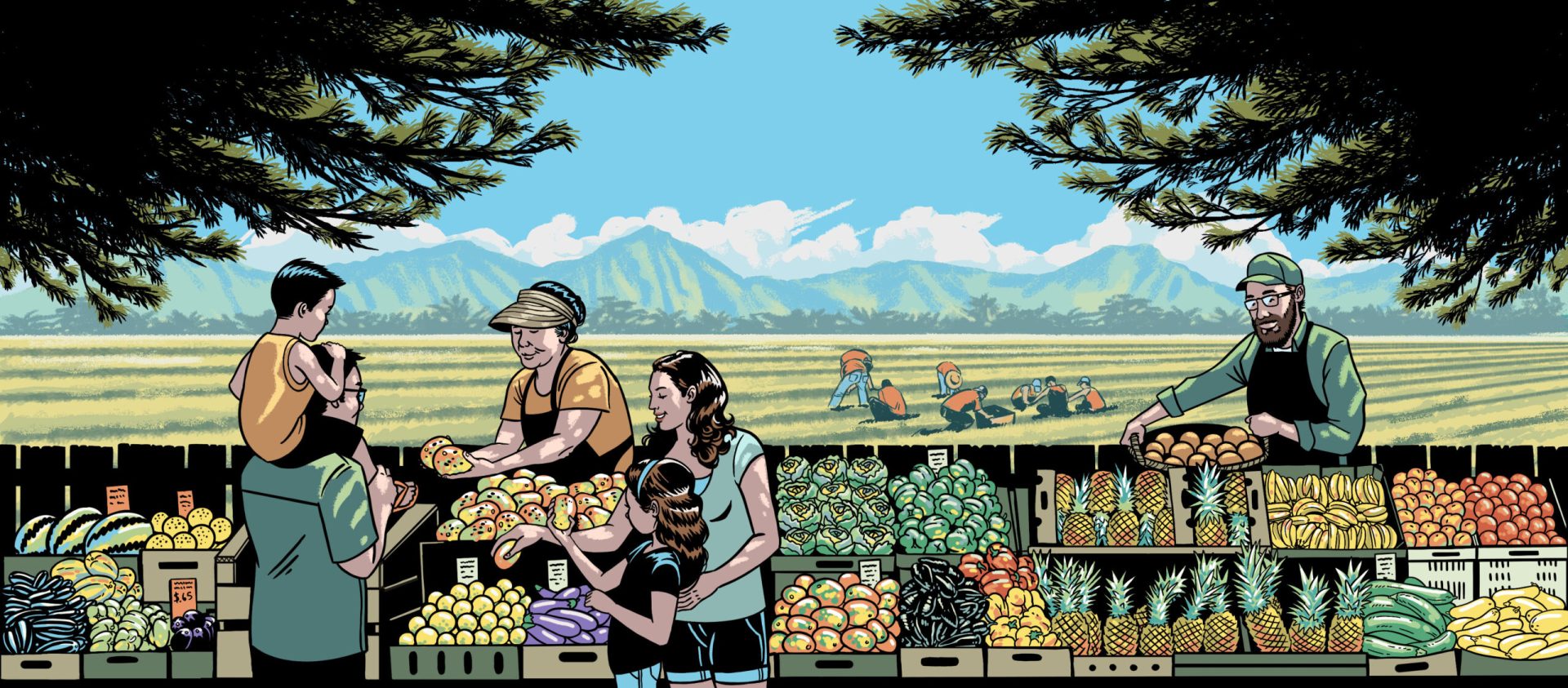
How is Hawaiʻi working to grow more of its own food and produce?
The Legislature has long tried to diversify agriculture, even though it remains only a small percentage of the GDP. While agriculture makes up less than 2% of the state’s GDP, legislators continue to push for diversification of the ag industry.
Hawaiʻi imports most of its food, which contributes to high prices and makes the population vulnerable to natural and manmade events that could cut off shipping. The state also is trying to bolster aquaculture with particular attention to seafood safety. In 2025, the Legislature tried to improve how the state deals with invasive species by giving the state agricultural department an added emphasis on biosecurity.
Quick Facts
- Cash crops: Hawaiʻi is well-known for its Kona coffee, Mauna Loa macadamia nuts and cut and potted orchids, but the genetically modified seed industry — particularly corn — is the most lucrative ag crop.
- King Sugar: The sugar cane industry dominated the state’s economy and landscape for over a century. But that ended in 2016 with the closure of the last sugar plantation on Maui
- Catch of the day: Tuna is the top commercial fish in Hawaiʻi, with bigeye and yellowfin ahi the largest in terms of pounds landed — including 21 million pounds total in 2023.
- Working on the farm: Total farm employment in 2022 was 11,581 people, whether as sole proprietor, partner or hired laborer. Just over half of those workers were on the Big Island.
Food and Agriculture Bills
In Focus
Here are the bills considered in the current session involving food and agriculture, including sustainability. Highlighted bills at the top are identified by Civil Beat as among the most significant this year. “In progress” status includes bills that may have been deferred but are technically still alive until the end of the two-year Legislature, 2025-2026.
HB 2208 Failed

Establishes and appropriates funds in the form of grants for the Hawaiʻi Farm to Families Program under the Department of Human Services to alleviate food shortages in the State. Requires reports to the Legislature before the Regular Sessions of 2027 and 2028. Effective 7/1/3000. (HD1)
HB 1951 Failed
Requires the College of Tropical Agriculture and Human Resilience to establish a Center on Biosecurity Research, Education, and Extension to develop and implement innovative solutions for detecting, monitoring, eradicating, and managing invasive species. Appropriates funds. Effective 7/1/3000. (HD2)
SB 2153 Passed
Requires the Department of Agriculture and Biosecurity to convene a Bona Fide Farmer Working Group to develop multi-tiered, matrix-based definitions for the terms "bona fide farmer" and "bona fide agricultural activity". Requires a report to the Legislature. Effective 7/1/3000. (HD1)
SB 2800 Failed

Appropriates funds to the Department of Agriculture and Biosecurity, Department of Land and Natural Resources, and Agribusiness Development Corporation to acquire, repair, and maintain irrigation systems in the State. Effective 7/1/3000. (HD1)
SB 223
DLNR;
FORESTRY AND WILDLIFE; STATE FIRE COUNCIL; STATE FIRE CODE; PROPERTY OWNERS;
HAZARDOUS FIRE AREAS; FIRE PREVENTION; COMMUNITY FUELS REDUCTION PROJECT;
REPORT; BUDGET; APPROPRIATIONS
In Progress Committee: Senate Standing Committee on Water and Land
DLNR;
FORESTRY AND WILDLIFE; STATE FIRE COUNCIL; STATE FIRE CODE; PROPERTY OWNERS;
HAZARDOUS FIRE AREAS; FIRE PREVENTION; COMMUNITY FUELS REDUCTION PROJECT;
REPORT; BUDGET; APPROPRIATIONSCommittee: Senate Standing Committee on Water and Land
HB 1482
DOH; OMCCR; DLE; ATG; MANUFACTURED HEMP PRODUCT DISTRIBUTORS;
MANUFACTURED HEMP PRODUCT RETAILERS; REGISTRATION; CERTIFICATE; INSPECTION;
FORFEITURE; NUISANCE ABATEMENT; CIVIL PENALTY; VIOLATION; HAWAII HEMP
PROCESSING SPECIAL FUND
In Progress Committee: House Standing Committee on Consumer Protection & Commerce
DOH; OMCCR; DLE; ATG; MANUFACTURED HEMP PRODUCT DISTRIBUTORS;
MANUFACTURED HEMP PRODUCT RETAILERS; REGISTRATION; CERTIFICATE; INSPECTION;
FORFEITURE; NUISANCE ABATEMENT; CIVIL PENALTY; VIOLATION; HAWAII HEMP
PROCESSING SPECIAL FUNDCommittee: House Standing Committee on Consumer Protection & Commerce
SB 739
LAND
EXCHANGE; DIVERSIFIED AGRICULTURAL PRODUCTION; AFFORDABLE HOUSING; WORKFORCE
HOUSING; HOUSING DEVELOPMENT
In Progress Committee: Senate Standing Committee on Water and Land
LAND
EXCHANGE; DIVERSIFIED AGRICULTURAL PRODUCTION; AFFORDABLE HOUSING; WORKFORCE
HOUSING; HOUSING DEVELOPMENTCommittee: Senate Standing Committee on Water and Land
HB 957
LAULAU
DAY; DAY OF OBSERVANCE
In Progress Committee: House Standing Committee on Culture & Arts
LAULAU
DAY; DAY OF OBSERVANCECommittee: House Standing Committee on Culture & Arts
HB 969
DOH; CWRM; WASTE DISPOSAL FACILITIES; LANDFILL UNITS;
AGRICULTURAL DISTRICT; BUFFER ZONES; UNDERGROUND INJECTION CONTROL LINES;
PROHIBITION
In Progress Committee: House Standing Committee on Energy & Environmental Protection
DOH; CWRM; WASTE DISPOSAL FACILITIES; LANDFILL UNITS;
AGRICULTURAL DISTRICT; BUFFER ZONES; UNDERGROUND INJECTION CONTROL LINES;
PROHIBITIONCommittee: House Standing Committee on Energy & Environmental Protection
HB 1007
HCDA; DEPARTMENT OF BUSINESS, ECONOMIC DEVELOPMENT, AND
TOURISM; TRANSIT-ORIENTED COMMUNITY IMPROVEMENT PROGRAM; SPECIAL FUND;
APPROPRIATIONS
In Progress Committee: House Standing Committee on Water & Land
HCDA; DEPARTMENT OF BUSINESS, ECONOMIC DEVELOPMENT, AND
TOURISM; TRANSIT-ORIENTED COMMUNITY IMPROVEMENT PROGRAM; SPECIAL FUND;
APPROPRIATIONSCommittee: House Standing Committee on Water & Land
Key Players
Legislative Leaders
These are the leaders in the Legislature for food and agriculture issues, including sustainability and food safety, as identified by Civil Beat.
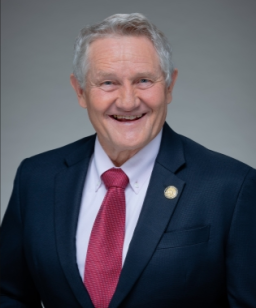
Tim Richards
District 4, Hawaiʻi
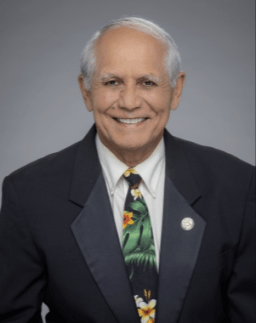
Mike Gabbard
District 21, Oʻahu
Donovan Dela Cruz
District 17, Oʻahu

Lauren Matsumoto
District 38, Oʻahu

Matthias Kusch
District 1, Hawaiʻi
Kirstin Kahaloa
District 6, Hawaiʻi
Non-Legislative Leaders
Other than legislators, these are the people or organizations that have been most active on food security, sustainability and agriculture issues.