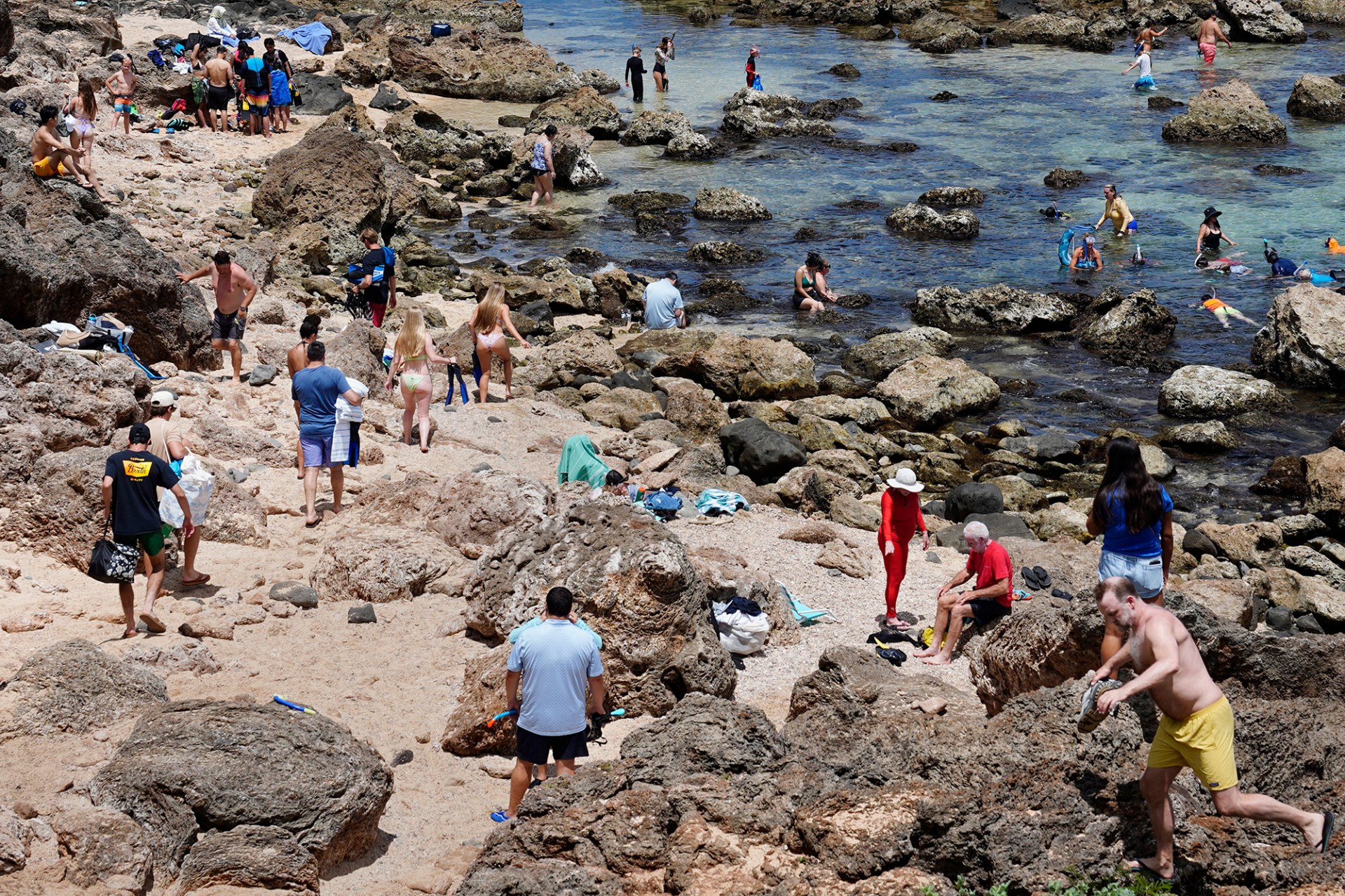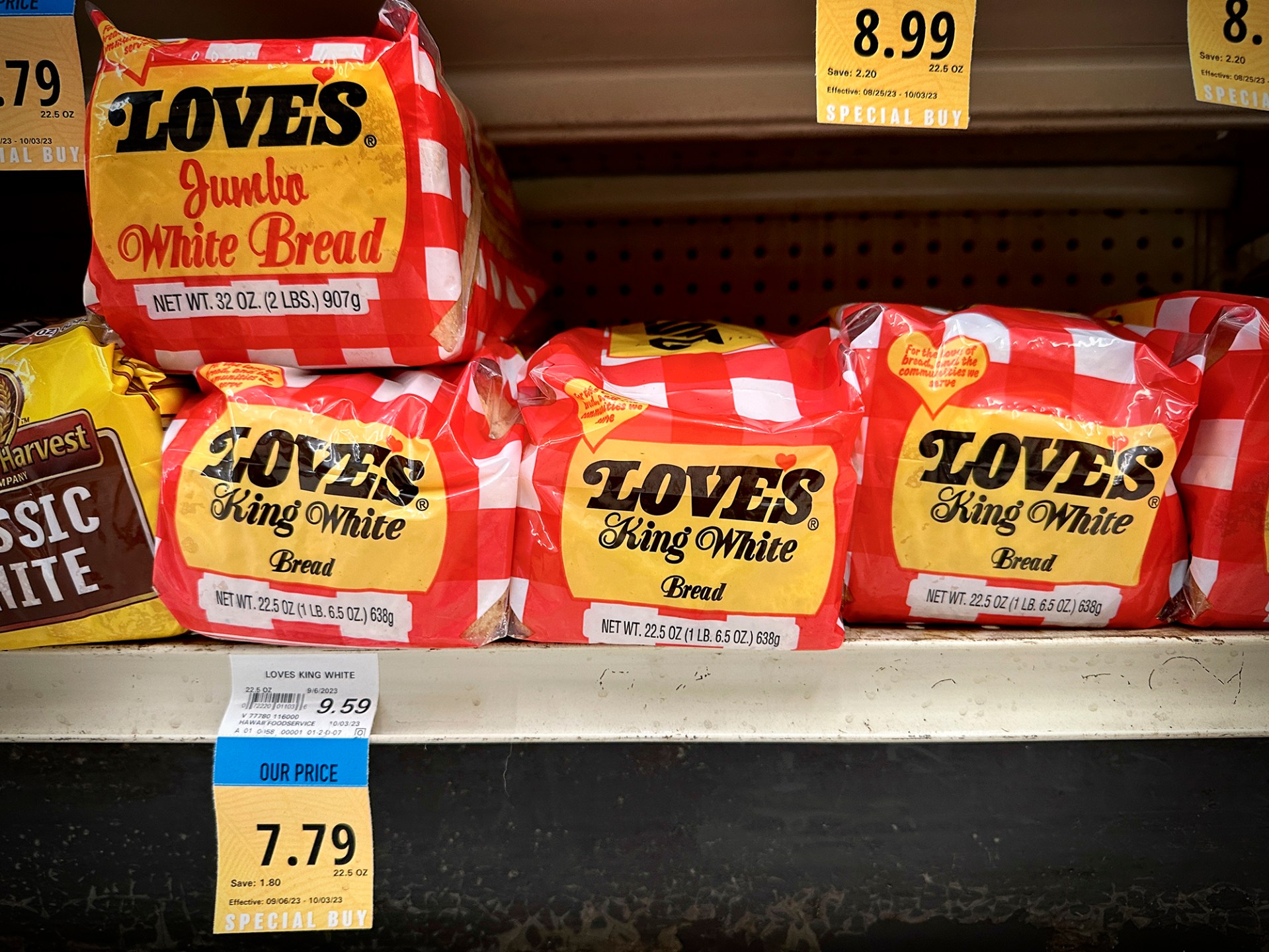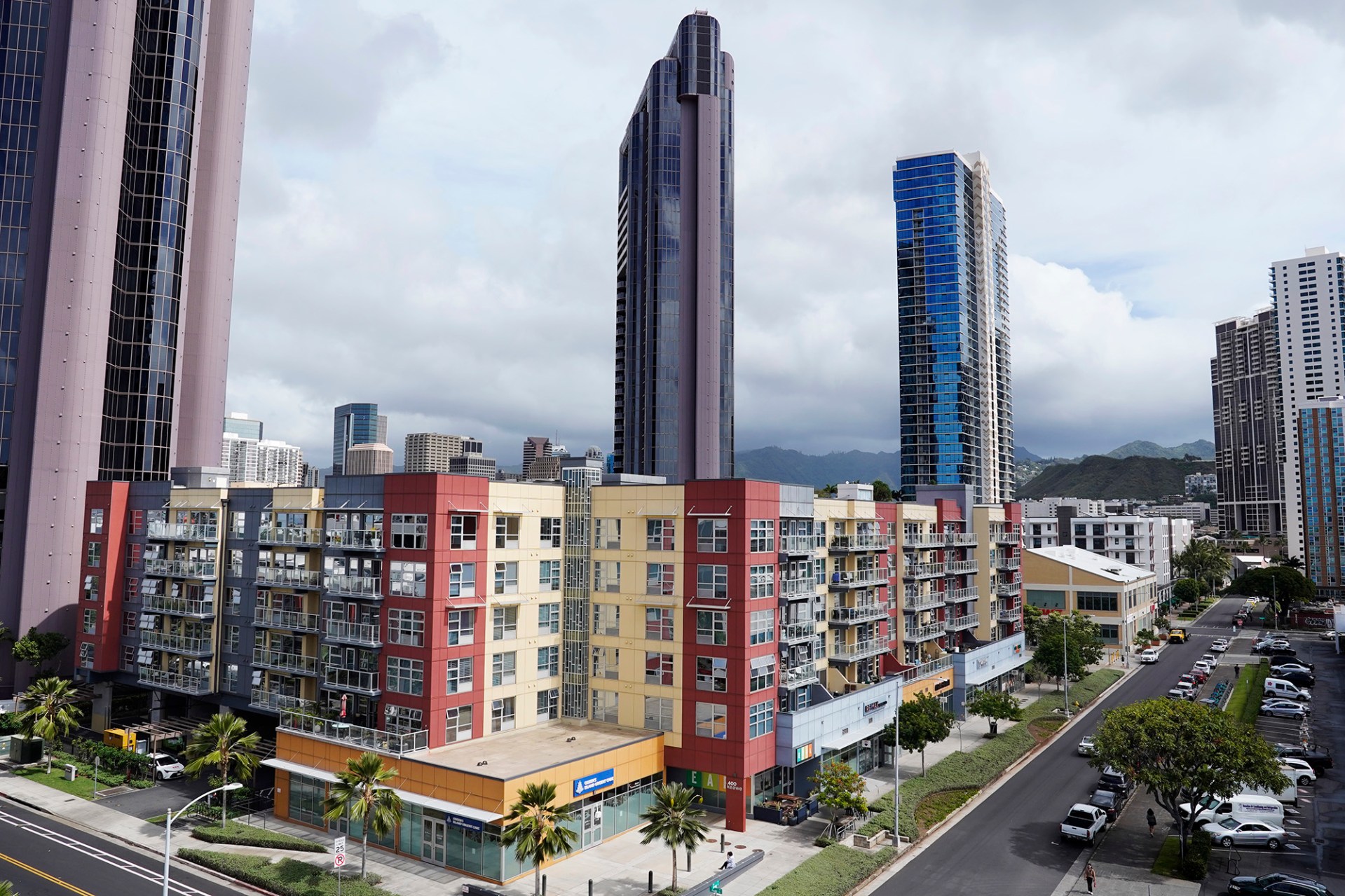
What steps are being taken to diversify Hawaiʻi’s economy and support local business?
With concerns continuing about budget cuts at the federal level, the Hawaiʻi Legislature proposed some measures aimed at shoring up local business revenues, including ending tax credits for the solar industry and for film production in Hawaiʻi. But Gov. Josh Green vetoed the bill, arguing that it was important to support those businesses.
Lawmakers tried to rein in skyrocketing insurance costs, especially for condo owners. And the Legislature also passed bills to increase development of the local workforce and to cap Hawaiian Electric Co.’s liability in the event of future wildfires.
Quick Facts
- Big business: As of 2023, the largest employer by number of workers was The Queen’s Health Systems. Others in the Top 10 included Hawaiian Electric Industries, Kamehameha Schools, Bank of Hawaiʻi Corp. and Kyo-ya Hotels & Resorts.
- Labor power: In 2024, union members accounted for more than 26% of wage and salary workers statewide, the highest percentage nationally.
- Visitor industry: Tourism represents roughly one-fourth of Hawaiʻi’s economy.
- Job security: Hawaiʻi’s unemployment rate as of May 2025 was 2.8%, tying it with Montana for the 4th-lowest nationwide.
Economy and Business Bills
In Focus
Here are the bills considered in the current session involving business and the economy, including tourism. Bills highlighted at the top are those are identified by Civil Beat as among the most significant this year. “In progress” status includes bills that may have been deferred but are technically still alive until the end of the two-year Legislature.
HB 2037 Failed
Increases the aggregate cap on credits allowed in any given year for the Motion Picture, Digital Media, and Film Production Income Tax Credit from $50,000,000 to $60,000,000. Extends the sunset of the tax credit to 1/1/2038. Applies to taxable years beginning after 12/31/2026. Repeals 1/1/2038. Effective 7/1/3000. (HD1)
SB 2074 Passed
Exempts concessions within the Stadium Facility from chapter 102, HRS. Allows the naming rights of the Stadium Facility to be leased to any public or private entity. Requires any revenues derived from advertising or marketing in or on the Stadium Facility to be deposited into the Stadium Development Special Fund. Authorizes the display of the name of any entity that leased the naming rights to a stadium operated by the Stadium Authority on the exterior of the stadium. Effective 7/1/3000. (HD1)
HB 1642 Passed

Beginning 10/1/2026, prohibits the ownership, operation, or management of a digital financial asset transaction kiosk that accepts United States currency from a customer in exchange for a digital financial asset. Effective 7/1/3000. (HD1)
SB 2698 Failed
Requires the Department of Transportation to assess a per passenger head fee against cruise ships docking in the State's commercial harbors in addition to existing port user fees. Establishes the Cruise Ship Special Fund. Repeals existing law imposing the Transient Accommodations Tax on cruise ships, effective retroactive to 1/1/2026. Appropriates funds. Effective 7/1/3000. (HD1)
HB 1378
SFCA;
STATE ART MUSEUM; PERFORMING ARTS GRANTS PROGRAM; PERFORMING ARTS GRANTS
SPECIAL FUND; WORKS OF ART SPECIAL FUND; APPROPRIATIONS
In Progress Committee: House Standing Committee on Culture & Arts
SFCA;
STATE ART MUSEUM; PERFORMING ARTS GRANTS PROGRAM; PERFORMING ARTS GRANTS
SPECIAL FUND; WORKS OF ART SPECIAL FUND; APPROPRIATIONSCommittee: House Standing Committee on Culture & Arts
HB 830
DLNR;
SHPD; REVIEW AND COMMENT; HISTORIC PRESERVATION REVIEW; RESIDENTIAL UNITS;
MIXED-USE DEVELOPMENT; THIRD-PARTY CONSULTANTS
In Progress Committee: House Standing Committee on Housing
DLNR;
SHPD; REVIEW AND COMMENT; HISTORIC PRESERVATION REVIEW; RESIDENTIAL UNITS;
MIXED-USE DEVELOPMENT; THIRD-PARTY CONSULTANTSCommittee: House Standing Committee on Housing
HB 1001
MAUI
WILDFIRES SETTLEMENT TRUST FUND; ESTABLISHMENT; APPROPRIATIONS
In Progress Committee: House Standing Committee on Judiciary & Hawaiian Affairs
MAUI
WILDFIRES SETTLEMENT TRUST FUND; ESTABLISHMENT; APPROPRIATIONSCommittee: House Standing Committee on Judiciary & Hawaiian Affairs
SB 465
DLNR; KIKIAOLA SMALL BOAT HARBOR; REPORT;
APPROPRIATION
In Progress Committee: Senate Standing Committee on Water and Land
DLNR; KIKIAOLA SMALL BOAT HARBOR; REPORT;
APPROPRIATIONCommittee: Senate Standing Committee on Water and Land
SB 1296
RECONSTRUCTION;
DEVELOPMENT; SPECIAL MANAGEMENT AREAS; DISASTER RECOVERY; WILDFIRE RECOVERY
In Progress Committee: Senate Standing Committee on Water and Land
RECONSTRUCTION;
DEVELOPMENT; SPECIAL MANAGEMENT AREAS; DISASTER RECOVERY; WILDFIRE RECOVERYCommittee: Senate Standing Committee on Water and Land
STATE
BONDS; STATE BUDGETCommittee: House Standing Committee on Finance
Key Players
Legislative Leaders
These are the leaders in the Legislature for business and economic issues as identified by Civil Beat.

Adrian Tam
District 24, Oʻahu
Jarrett Keohokalole
District 24, Oʻahu
Lynn DeCoite
District 7, Maui
Scot Matayoshi
District 49, Oʻahu
Glenn Wakai
District 15, Oʻahu

Greggor Ilagan
District 4, Hawaiʻi
Non-Legislative Leaders
Other than legislators, these are the people or organizations that have been most active on business and economic issues including energy policy, taxes and business development.