How have Hawaiʻi students fared in the Legislature?
Hawaiʻi has a single statewide school district so the operating budget to support state K-12 schools, programs and administration, about $2 billion annually, is largely funded by the state. That’s around 10% of the state’s total operating budget. As such, education legislation and appropriations are a major issue for state legislators challenged by multiple funding demands. The unions for public school teachers and University of Hawaiʻi faculty are influential in budget discussions. UH officials often appear before legislative committees to defend their budget, including capital improvements and student-related issues like tuition and housing.
In 2026, lawmakers who advocate for education will again try to expand the program that provides free meals to students, including to charter school students. The state Department of Education also needs more money for school construction and the upkeep of campuses. The debate over banning cellphones in schools also is heating up again in the Legislature.
Quick Facts
- Enrollment Trend: Of the 169,308 students enrolled in public K-12 schools in 2023-2024, approximately 12,446 are in charter schools.
- Test Scores: The Hawaiʻi average for SAT scores in 2023 was 565 in math and 549 in evidence-based reading and writing, above the national average.
- Graduation Rate: Just over 85% of public school students graduated on time in the 2022-2023 school year.
- School Board: Hawaiʻi is the only state with a single, unified Board of Education, appointed by the governor.
Education Bills
In Focus
Here are all of the bills considered in the current session involving education. Highlighted bills are identified by Civil Beat as among the most significant this year. “In progress” status includes bills that may have been deferred but are technically still alive until the end of the two-year Legislature, 2025-2026.
HB 1779 Failed
Expands free school meal coverage, beginning with the 2029-2030 school year, to all public school students, including public charter school students, regardless of whether the student participates in a federal school meals program. Effective 7/1/3000. (HD1)
SB 2125 Passed
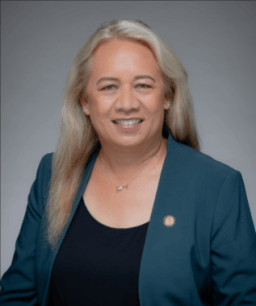
Permits the Department of Education to hire unlicensed individuals as teachers on an emergency basis for five, rather than three, years. Requires that unlicensed teachers hired on an emergency basis make continuous and verifiable progress toward satisfying licensing requirements. (SD1)
SB 3334 Failed
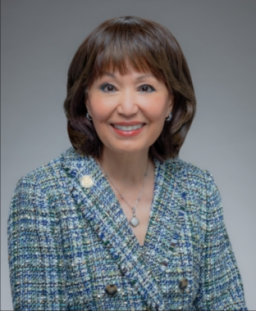
Reestablishes the organizational structure of the Department of Education by repealing complex areas and establishing an unspecified number of districts across the State. Repeals the position of Complex Area Superintendent and establishes the positions of District Superintendent for Academics and Deputy District Superintendents who are required to undergo annual performance evaluations. Clarifies that School Community Councils shall submit principal evaluations to the Superintendent of Education, who shall have final authority to appoint a principal. Requires the Department of Education to adopt rules. Makes conforming amendments. (SD1)
HB 1783 Failed
Requires the School Facilities Authority to establish a pilot program to develop three new public schools in areas based on demonstrated need through public-private partnerships. Amends the powers of the School Facilities Authority. Requires reports to the Legislature. Appropriates funds. Effective 7/1/3000. (HD1)
HB 1378
SFCA;
STATE ART MUSEUM; PERFORMING ARTS GRANTS PROGRAM; PERFORMING ARTS GRANTS
SPECIAL FUND; WORKS OF ART SPECIAL FUND; APPROPRIATIONS
In Progress Committee: House Standing Committee on Culture & Arts
SFCA;
STATE ART MUSEUM; PERFORMING ARTS GRANTS PROGRAM; PERFORMING ARTS GRANTS
SPECIAL FUND; WORKS OF ART SPECIAL FUND; APPROPRIATIONSCommittee: House Standing Committee on Culture & Arts
HB 1064
STATE FIRE MARSHAL; STATE FIRE COUNCIL; STATE FIRE CODES; STATE
FIRE MARSHAL SELECTION COMMISSION; REPORTS; APPROPRIATION
In Progress Committee: House Standing Committee on Public Safety
STATE FIRE MARSHAL; STATE FIRE COUNCIL; STATE FIRE CODES; STATE
FIRE MARSHAL SELECTION COMMISSION; REPORTS; APPROPRIATIONCommittee: House Standing Committee on Public Safety
HB 613
OYS; SAFE
SPACES FOR YOUTH PROGRAM; HOMELESS YOUTH AND YOUNG ADULTS; SHELTER; REPORTS; APPROPRIATION
In Progress Committee: House Standing Committee on Human Services & Homelessness
OYS; SAFE
SPACES FOR YOUTH PROGRAM; HOMELESS YOUTH AND YOUNG ADULTS; SHELTER; REPORTS; APPROPRIATIONCommittee: House Standing Committee on Human Services & Homelessness
SB 1252
UH; JABSOM; ALZHEIMER'S DISEASE; DEMENTIA; TRAINING;
CURRICULUM; WORKFORCE DEVELOPMENT; POSITIONS; REPORTS; APPROPRIATIONS
In Progress Committee: Senate Standing Committee on Higher Education
UH; JABSOM; ALZHEIMER'S DISEASE; DEMENTIA; TRAINING;
CURRICULUM; WORKFORCE DEVELOPMENT; POSITIONS; REPORTS; APPROPRIATIONSCommittee: Senate Standing Committee on Higher Education
HB 422
DOE;
SCHOOL FACILITIES AUTHORITY; SCHOOL IMPACT FEES; CONSTRUCTION COST COMPONENT;
EXEMPTIONS; RULES; LAND COMPONENT IMPACT FEE; REPORT
In Progress Committee: House Standing Committee on Housing
DOE;
SCHOOL FACILITIES AUTHORITY; SCHOOL IMPACT FEES; CONSTRUCTION COST COMPONENT;
EXEMPTIONS; RULES; LAND COMPONENT IMPACT FEE; REPORTCommittee: House Standing Committee on Housing
HB 237
PEER-TO-PEER
SUPPORT PROGRAMS; CHILDREN; FAMILIES; POSITIONS; APPROPRIATION
In Progress Committee: House Standing Committee on Health
PEER-TO-PEER
SUPPORT PROGRAMS; CHILDREN; FAMILIES; POSITIONS; APPROPRIATIONCommittee: House Standing Committee on Health
Key Players
Legislative Leaders
These are the leaders in the Legislature for education issues as identified by Civil Beat.
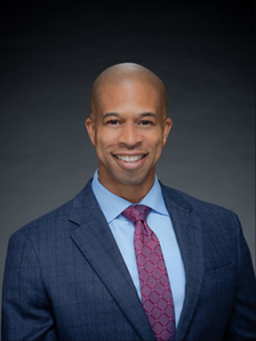
Justin Woodson
District 9, Maui
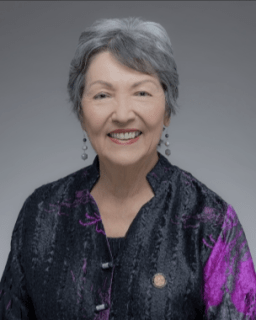
Michelle Kidani
District 18, Oʻahu
Donna Kim
District 14, Oʻahu
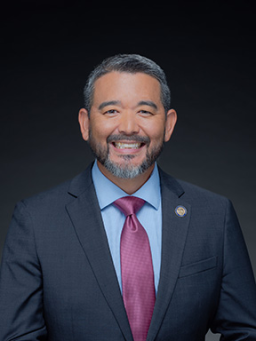
Andrew Garrett
District 22, Oʻahu
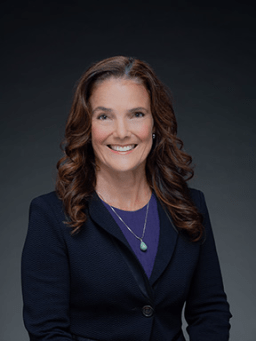
Amy Perruso
District 46, Oʻahu
Trish La Chica
District 37, Oʻahu
Non-Legislative Leaders
Other than legislators, these are the people or organizations that have been most active on education issues involving higher education as well as public K-12 schools.