How are Hawaiʻi lawmakers doing when it comes to bills that affect them directly?
Hawaiʻi lawmakers still struggle to pass many accountability, transparency and ethics reform initiatives that would change the longtime status quo when it comes to elections and politics. Some new laws have been implemented since a special House Commission to Improve Standards of Conduct was empaneled in 2022 after two lawmakers were convicted on federal bribery charges. But bills that are politically harder like restrictions on campaign donations or public financing of campaigns have failed to pass.
In 2025, lawmakers came closer to approving stronger reforms but still fell short as the session came to an end, even as news reports continue to show the close connection between money and politics and the potential for corruption. Advocates have introduced dozens of bills aimed at making government more accountable, including again trying to curb pay-to-play politics involving state contractors and grantees and at trying to encourage more people to run for office through increasing the money for public financing of campaigns.
Legislative leaders say they have no interest in changing Hawaiʻi’s all-mail voting system. But they do hope to increase the number of voter centers open on election days.
Quick Facts
- Cutting edge: In January 1968, Hawaiʻi became the first state to establish an ethics commission.
- Exemptions: The Hawaiʻi Legislature exempts itself from the state Sunshine Law, which governs how all state and county boards must conduct official business openly.
- Disclosure: Most state and county officials are required to publicly file financial disclosures and report the acceptance of gifts and travel.
- Corruption: Over the past 10 years, Hawaiʻi has seen several high-profile corruption cases that have resulted in federal convictions including investigations involving a Honolulu police chief and deputy prosecutor, and two state lawmakers.
Accountability and Ethics Bills
In Focus
Here are all of the bills considered in the current session involving accountability and ethics, including campaign finance, elections and other government reforms. Highlighted bills are identified by Civil Beat as among the most significant this session. “In progress” status includes bills that may have been deferred but are technically still alive until the end of the two-year Legislature, 2025-2026.
SB 2246 Failed
Expands the scope of persons who are subject to public financial disclosure requirements.
HB 2107 Failed
Prohibits any Executive Branch employee who is nominated or appointed by the Governor to a compensated position subject to confirmation by the Senate from engaging in certain campaign fundraising activities.
SB 2530 Failed
Prohibits state or county contractor's officers and any officer's immediate family, with contracts of $100,000 or more for goods or services or $250,000 or more for construction, from contributing to candidate or noncandidate committees, candidates, or any person for any political purpose for the duration of the contract. Prohibits grantees, grantees' officers and grantees' officer's immediate family, with grants of more than $100,000, from contributing to candidate or noncandidate committees, candidates, or any person for any political purpose for the duration of the grant. Requires any unlawful contribution to be returned to the contributor or it will escheat to the Hawaiʻi election campaign fund.
HB 2469 Failed
Establishes a Regular Session Review Working Group to determine the essential timing and effective framework for a lengthened legislative calendar for election and non-election years. Requires a report to the Legislature. Requires report finalization and drafting assistance from the Legislative Reference Bureau. Appropriates moneys.
HB 1064
STATE FIRE MARSHAL; STATE FIRE COUNCIL; STATE FIRE CODES; STATE
FIRE MARSHAL SELECTION COMMISSION; REPORTS; APPROPRIATION
In Progress Committee: House Standing Committee on Public Safety
STATE FIRE MARSHAL; STATE FIRE COUNCIL; STATE FIRE CODES; STATE
FIRE MARSHAL SELECTION COMMISSION; REPORTS; APPROPRIATIONCommittee: House Standing Committee on Public Safety
HB 830
DLNR;
SHPD; REVIEW AND COMMENT; HISTORIC PRESERVATION REVIEW; RESIDENTIAL UNITS;
MIXED-USE DEVELOPMENT; THIRD-PARTY CONSULTANTS
In Progress Committee: House Standing Committee on Housing
DLNR;
SHPD; REVIEW AND COMMENT; HISTORIC PRESERVATION REVIEW; RESIDENTIAL UNITS;
MIXED-USE DEVELOPMENT; THIRD-PARTY CONSULTANTSCommittee: House Standing Committee on Housing
HB 1001
MAUI
WILDFIRES SETTLEMENT TRUST FUND; ESTABLISHMENT; APPROPRIATIONS
In Progress Committee: House Standing Committee on Judiciary & Hawaiian Affairs
MAUI
WILDFIRES SETTLEMENT TRUST FUND; ESTABLISHMENT; APPROPRIATIONSCommittee: House Standing Committee on Judiciary & Hawaiian Affairs
SB 465
DLNR; KIKIAOLA SMALL BOAT HARBOR; REPORT;
APPROPRIATION
In Progress Committee: Senate Standing Committee on Water and Land
DLNR; KIKIAOLA SMALL BOAT HARBOR; REPORT;
APPROPRIATIONCommittee: Senate Standing Committee on Water and Land
HB 320
SUPPORTED
DECISION-MAKING AGREEMENT; QUALIFIED ADULTS; SUPPORTIVE COMMUNITY; TERMS;
RESTRICTIONS
In Progress Committee: House Standing Committee on Human Services & Homelessness
SUPPORTED
DECISION-MAKING AGREEMENT; QUALIFIED ADULTS; SUPPORTIVE COMMUNITY; TERMS;
RESTRICTIONSCommittee: House Standing Committee on Human Services & Homelessness
SB 104
DCR;
HAWAII CORRECTIONAL SYSTEM OVERSIGHT COMMISSION; CORRECTIONAL FACILITIES;
COMMITTED PERSONS; RESTRICTIVE HOUSING; RESTRICTIVE HOUSING LEGISLATIVE WORKING
GROUP; RESTRICTIONS; REPORT
In Progress Committee: Senate Standing Committee on Public Safety and Military Affairs
DCR;
HAWAII CORRECTIONAL SYSTEM OVERSIGHT COMMISSION; CORRECTIONAL FACILITIES;
COMMITTED PERSONS; RESTRICTIVE HOUSING; RESTRICTIVE HOUSING LEGISLATIVE WORKING
GROUP; RESTRICTIONS; REPORTCommittee: Senate Standing Committee on Public Safety and Military Affairs
Key Players
Legislative Leaders
These are the leaders in the Legislature for accountability and ethics issues as identified by CalMatters.

David Tarnas
District 8, Hawaiʻi
Karl Rhoads
District 13, Oʻahu
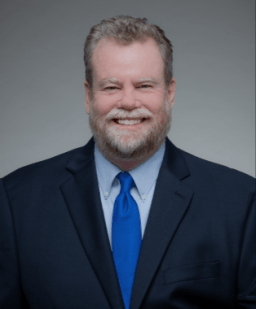
Angus McKelvey
District 6, Maui
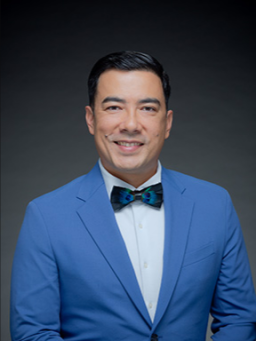
Daniel Holt
District 28, Oʻahu

Les Ihara
District 10, Oʻahu

Della Au Belatti
District 26, Oʻahu
Non-Legislative Leaders
Other than legislators, these are the people or organizations that have been most active on accountability and ethics issues.