
What progress has been made to bring down the cost of living in Hawaiʻi?
Helping residents cope with the high cost of living is a perennial issue at the Hawaiʻi Legislature. In the 2025 session, legislators prioritized programs that help provide health care and food assistance to Hawaiʻi’s poorest residents. Those programs have become targets for federal cuts under the Trump administration, including reductions in the SNAP program for needy families. The Legislature set aside several hundred million dollars that may be tapped as lawmakers in 2026 continue to grapple with the uncertainties in federal funding.
Lawmakers will need to decide in 2026 whether income tax cuts for Hawaiʻi residents, scheduled to phase in over the next few years, will still be possible the reductions by the federal government.
Quick Facts
- Expensive: Hawaiʻi is often ranked as having the highest cost of living in the country, ahead of California, Massachusetts, Alaska, New York and the District of Columbia.
- Poverty: An estimated 45% of households in Hawaiʻi are categorized as “asset limited, income constrained, employed,” meaning they have income above the federal poverty level but not enough to afford basic expenses.
- Minimum wage is $14 an hour, making it the one of the highest in the U.S. It is set to increase to $18 per hour in 2028.
- Shipping costs: Hawaiʻi imports around 85% to 90% of its food supply.
Cost Of Living Bills
In Focus
Here are all of the bills considered in the current session involving cost of living, including some key tax measures. Highlighted bills are identified by Civil Beat as among the most significant this year. “In progress” includes bills that may have been deferred but are technically still alive until the end of the two-year Legislature.
SB 3125 Passed
PART I: Repeals certain future adjustments to income tax brackets. Changes income tax rates. Amends the child and dependent care tax credit by: (1) Changing the applicable percentage of the employment-related expenses for which the credit may be claimed to an unspecified percentage; (2) Providing for a disallowance period when there is a final administrative or judicial decision finding that the claim was due to fraud or disallowing the credit; and (3) Defining "adjusted gross income". Extends the repeal date for amendments made by Act 163, SLH 2023 to the child and dependent care tax credit, earned income tax credit, and food/excise tax credit to an unspecified date. PART II: Beginning 1/1/2029, repeals the following tax credits: Renewable Energy Technologies Income Tax Credit, Capital Goods Excise Tax Credit, High Technology Business Investment Tax Credit, Renewable Fuels Production Tax Credit, Technology Infrastructure Renovation Tax Credit, Ship Repair Industry Tax Credit, and Tax Credit for Research Activities. Effective 7/1/2050. (SD1)
SB 3028 Failed

Restructures the conveyance tax to a marginal rate system for the sale of properties with residential use, adjusts the tax for multifamily properties to reflect value on a per-unit basis, and applies a cost-of-living adjustment to conveyance tax rates. Allocates a portion of conveyance tax collections to the Dwelling Unit Revolving Fund, Hawaiian Home Lands Infrastructure and Housing Special Fund, and Special Land and Development Fund. Establishes and appropriates funds out of the Hawaiian Home Lands Infrastructure and Housing Special Fund. Effective 7/1/3000. (HD1)
HB 2147 Failed

Proposes amendments to the Hawaiʻi State Constitution to repeal the counties' exclusive power to tax real property, and to authorize the Legislature to establish a state surcharge on real property taxes levied by the counties on certain residential investment properties, for the purpose of helping to fund public education for all of Hawaiʻi's children and adults. Effective 7/1/3000. (HD2)
HB 2116 Failed

Appropriates funds to the Office of Community Services (OCS) to award grants to certain nonprofit organizations. Establishes an evaluation and selection committee to oversee the awarding of grants. Requires an applicant for a grant to provide certain documentation on activities that qualify for community engagement hours to qualify for the grant. Appropriates funds for positions in OCS and for the Department of the Attorney General to assist OCS in reviewing contracts and monitoring costs. Effective 7/1/3000. (HD2)
HB 830
DLNR;
SHPD; REVIEW AND COMMENT; HISTORIC PRESERVATION REVIEW; RESIDENTIAL UNITS;
MIXED-USE DEVELOPMENT; THIRD-PARTY CONSULTANTS
In Progress Committee: House Standing Committee on Housing
DLNR;
SHPD; REVIEW AND COMMENT; HISTORIC PRESERVATION REVIEW; RESIDENTIAL UNITS;
MIXED-USE DEVELOPMENT; THIRD-PARTY CONSULTANTSCommittee: House Standing Committee on Housing
SB 1296
RECONSTRUCTION;
DEVELOPMENT; SPECIAL MANAGEMENT AREAS; DISASTER RECOVERY; WILDFIRE RECOVERY
In Progress Committee: Senate Standing Committee on Water and Land
RECONSTRUCTION;
DEVELOPMENT; SPECIAL MANAGEMENT AREAS; DISASTER RECOVERY; WILDFIRE RECOVERYCommittee: Senate Standing Committee on Water and Land
SB 1044
HPIA;
HHRF; DBEDT; HGIA; PROPERTY INSURANCE; HURRICANE INSURANCE COVERAGE;
CONDOMINIUMS; CONDOMINIUM LOAN PROGRAM; CONDOMINIUM LOAN REVOLVING FUND; CONDOMINIUM
LOAN LOSS RESERVES PROGRAM; COMMUNITY DEVELOPMENT FINANCIAL INSTITUTIONS; REPORTS;
REIMBURSABLE GENERAL OBLIGATION BONDS; APPROPRIATIONS
In Progress Committee: Senate Standing Committee on Commerce and Consumer Protection
HPIA;
HHRF; DBEDT; HGIA; PROPERTY INSURANCE; HURRICANE INSURANCE COVERAGE;
CONDOMINIUMS; CONDOMINIUM LOAN PROGRAM; CONDOMINIUM LOAN REVOLVING FUND; CONDOMINIUM
LOAN LOSS RESERVES PROGRAM; COMMUNITY DEVELOPMENT FINANCIAL INSTITUTIONS; REPORTS;
REIMBURSABLE GENERAL OBLIGATION BONDS; APPROPRIATIONSCommittee: Senate Standing Committee on Commerce and Consumer Protection
SB 66
HOUSING;
COUNTIES; PERMITS; PERMITTING AGENCIES; LICENSED PROFESSIONALS; EXPEDITED
PERMIT; APPLICATIONS; REQUIREMENTS
In Progress Committee: Senate Standing Committee on Housing
HOUSING;
COUNTIES; PERMITS; PERMITTING AGENCIES; LICENSED PROFESSIONALS; EXPEDITED
PERMIT; APPLICATIONS; REQUIREMENTSCommittee: Senate Standing Committee on Housing
HB 700
COGNITIVE
ASSESSMENTS; MEDICARE BENEFICIARIES; ANNUAL WELLNESS VISITS; ALZHEIMER'S
DISEASE AND RELATED DEMENTIAS; DEMENTIA DATA PILOT PROGRAM; REPORTING
REQUIREMENTS; EXECUTIVE OFFICE ON AGING
In Progress Committee: House Standing Committee on Health
SB 38
HHFDC;
HOUSING DEVELOPMENT; COUNTIES; STRICTER CONDITIONS; FEE WAIVERS
In Progress Committee: Senate Standing Committee on Housing
HHFDC;
HOUSING DEVELOPMENT; COUNTIES; STRICTER CONDITIONS; FEE WAIVERSCommittee: Senate Standing Committee on Housing
Key Players
Legislative Leaders
These are the leaders in the Legislature for cost of living issues as identified by Civil Beat.

Della Au Belatti
District 26, Oʻahu
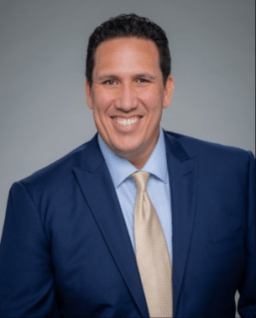
Jarrett Keohokalole
District 24, Oʻahu

Scot Matayoshi
District 49, Oʻahu

Jackson Sayama
District 21, Oʻahu
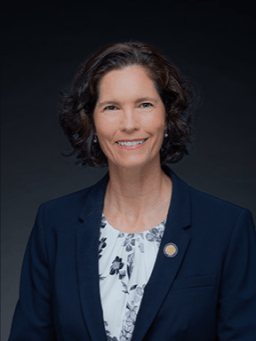
Lisa Marten
District 51, Oʻahu
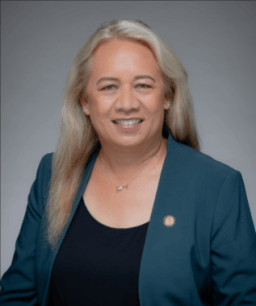
Lynn DeCoite
District 7, Maui
Non-Legislative Leaders
Other than legislators, these people and organizations are the most active on cost of living issues, including poverty, workplace and labor and the economy.