Crime, violence and prisons are perpetually on the table at the Hawaiʻi Legislature.
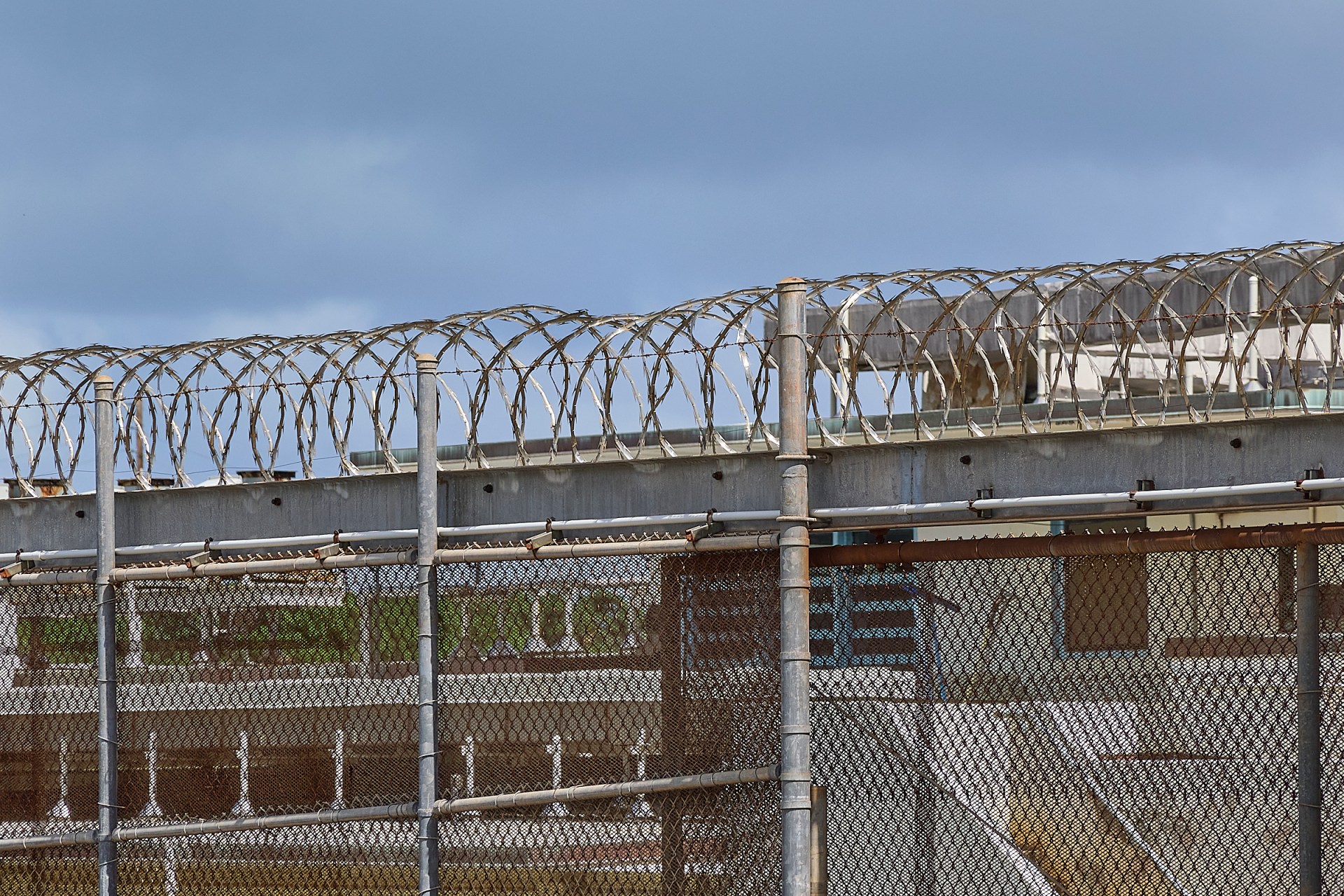
Crime rates have continued to drop statewide in Hawaiʻi although reports of violent gun crime are increasing on Oʻahu. There is also a greater understanding of the intersections of addiction, homelessness, intergenerational poverty, various forms of trauma and crime. But the criminal justice system still struggles with reform, especially in treating nonviolent offenders. Meantime, the state’s jails and prisons are overcrowded, understaffed and falling apart, a situation lawmakers tried to rectify in 2025 by including millions of dollars in the state budget for a new Oʻahu jail.
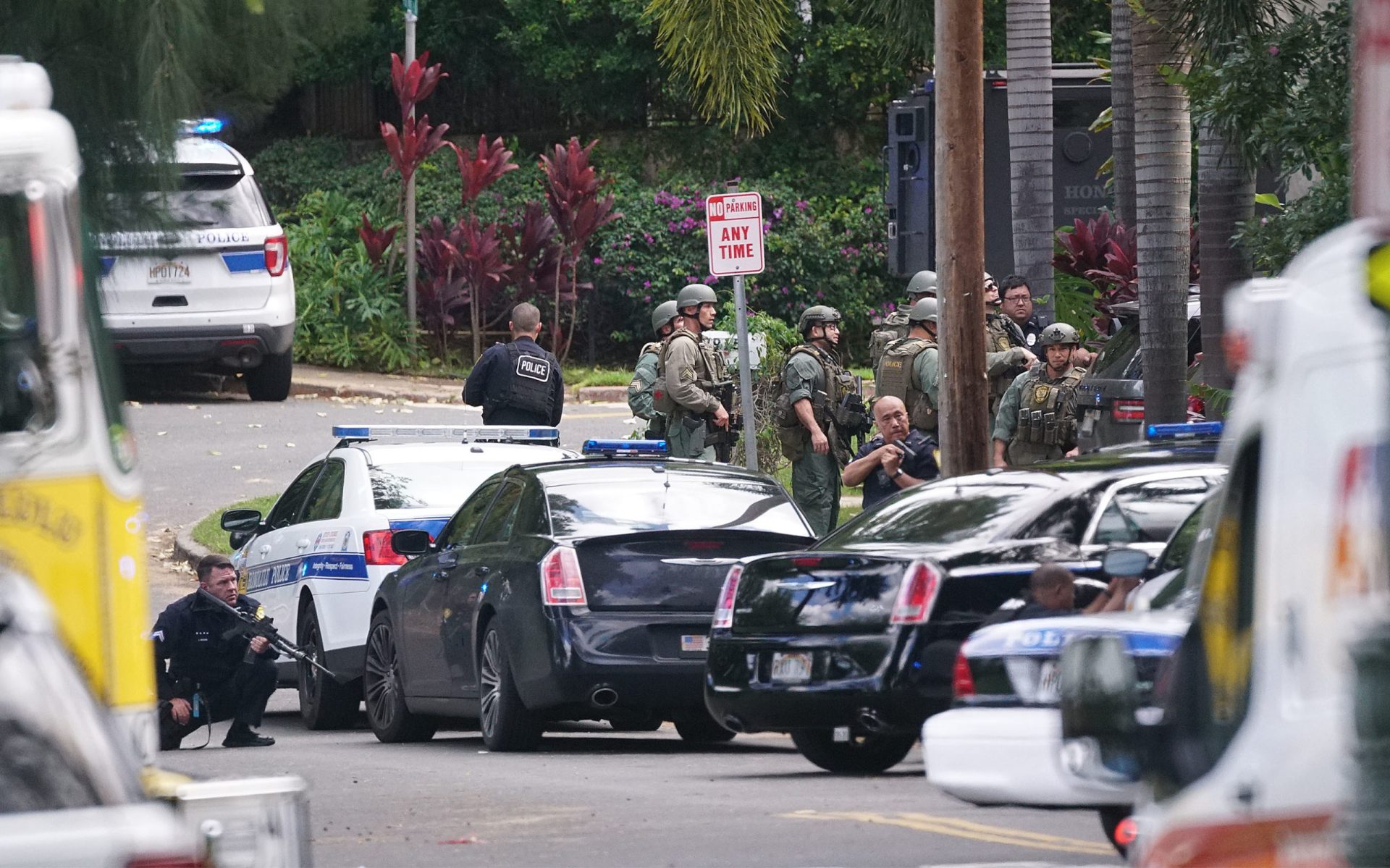
Judiciary committee leaders are especially interested in passing legislation in 2026 that bans law enforcement from wearing masks on the job and in making sure immigration enforcement is conducted appropriately. An assault weapons ban died on a narrow vote in 2025 and in 2026 gun bills could include restriction on sniper rifles and high-capacity magazines.
Quick Facts
- Incarceration: More than 900 Hawaiʻi inmates are housed in a private prison in Arizona there is no room for them in Hawaiʻi facilities.
- Race: Native Hawaiians and other Pacific Islanders are overrepresented in the incarcerated population.
- Guns: Hawaiʻi has some of the strongest gun laws in the nation while gun deaths are among the lowest.
- Domestic violence: In Hawaiʻi, 13% of people have experienced intimate partner violence in their lifetime.
Justice Bills
In Focus
Here are all of the bills considered in the current session involving justice, public safety and corrections. Highlighted bills are identified by Civil Beat as among the most significant this year. “In progress” status includes bills that may have been deferred but are technically still alive until the end of the two-year Legislature.
SB 3322 Failed
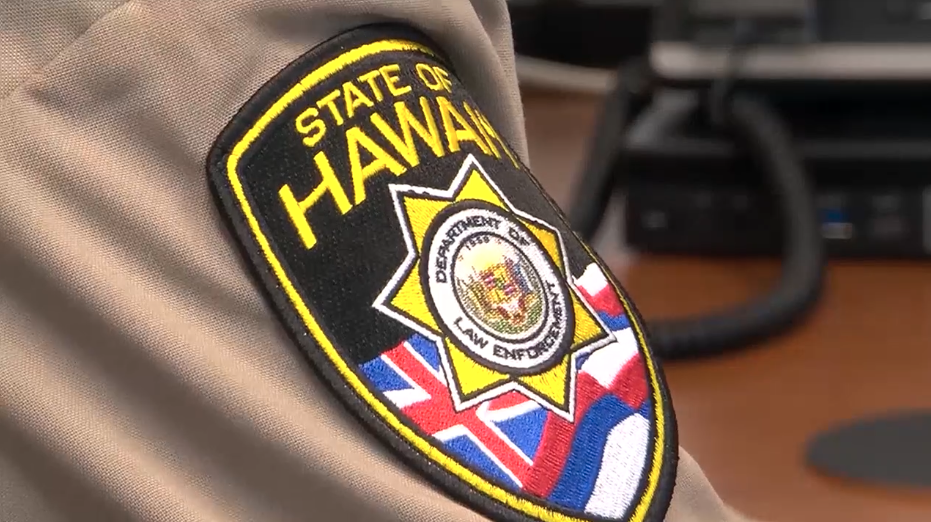
By 7/1/2027, requires each law enforcement agency operating in the State to establish and publicly post a written policy regarding the use of facial coverings, visibility of badges, and conspicuous marking of law enforcement vehicles and civil immigration enforcement, including procedures governing a law enforcement officer's authority to make an inquiry into a person's civil immigration status. Prohibits law enforcement officers from initiating or prolonging a stop, detention, or arrest to determine a person's civil immigration status, with certain exemptions for reasonable suspicion. Establishes as a policy of the Department of Law Enforcement that civil immigration activity involving state or county participation or facilities shall only proceed under certain conditions. Establishes criminal offenses for improper facial coverings and lack of visible identification and unauthorized civil immigration interrogation, arrest, or detention. Effective 7/1/3000. (HD1)
HB 1790 Failed

Establishes the Hawaiʻi Center for Policing and Criminal Justice Research within the Social Science Research Institute, College of Social Sciences, University of Hawaiʻi at Manoa to house the Hawaiʻi Crime Lab. Requires law enforcement agencies and law enforcement oversight agencies to collect and report certain data regarding law enforcement stops, uses of force, and complaints to the Hawaiʻi Crime Lab. Requires the Hawaiʻi Crime Lab to collect and publish incident-level information and an annual report on the data collected. Requires the Department of the Attorney General to adopt rules, in coordination with the Hawaiʻi Crime Lab, Office of Hawaiian Affairs, and any community advisory boards. Appropriates funds for the establishment and operation of the Hawaiʻi Center for Policing and Criminal Justice Research within the Social Science Research Institute, College of Social Sciences, University of Hawaiʻi at Manoa to support implementation. Effective 7/1/3000. (HD2)
HB 2033 Failed
PART I: Requires sellers and licensed dealers to ensure that a motor vehicle is equipped with a front number plate mounting bracket or device. Requires a seller, licensed dealer, or owner to securely fasten number plates on vehicles. PART II: Amends the Traffic Code relating to street racing. PART III: Expands the Automated Speed Enforcement Systems Program to high-risk locations of state or county highways as determined by the Department of Transportation, under certain conditions. Appropriates funds. PART IV: Allows counties to use automatic license plate recognition systems to identify vehicles without current inspection or registration certificates and issue citations with fines waivable if compliance is demonstrated. Establishes data privacy and retention requirements. Allows counties, in coordination with the Department of Transportation, to use red light and speed camera systems for enforcement. PART V: Authorizes the installation of cameras on the stop arm of a school bus to record footage for evidence of a violation for passing or overtaking a school bus while the bus is stopped and its visual signals are turned on. Amends the fines for passing or overtaking a school bus while the bus is stopped and its visual signals are turned on. Appropriates funds. PART VI: Specifies that the Department of Transportation's Motor Vehicle Safety Office shall administer the Photo Red Light Imaging Detector Systems Program Special Fund and Automated Speed Enforcement Systems Program Special Fund. PART VII: Clarifies language relating to photo red light enforcement, automated speed enforcement, and penalty provisions. Effective 7/1/3000. (HD2)
HB 1886 Failed
Establishes provisions limiting state and federal collaboration for purposes of immigration enforcement operations. Establishes identification and facial coverings standards for state and federal law enforcement officers. Establishes criminal offenses for improper facial coverings and lack of visible identification and unauthorized civil immigration interrogation, arrest, or detention. Effective 7/1/3000. (HD2)
HB 1064
STATE FIRE MARSHAL; STATE FIRE COUNCIL; STATE FIRE CODES; STATE
FIRE MARSHAL SELECTION COMMISSION; REPORTS; APPROPRIATION
In Progress Committee: House Standing Committee on Public Safety
STATE FIRE MARSHAL; STATE FIRE COUNCIL; STATE FIRE CODES; STATE
FIRE MARSHAL SELECTION COMMISSION; REPORTS; APPROPRIATIONCommittee: House Standing Committee on Public Safety
HB 1001
MAUI
WILDFIRES SETTLEMENT TRUST FUND; ESTABLISHMENT; APPROPRIATIONS
In Progress Committee: House Standing Committee on Judiciary & Hawaiian Affairs
MAUI
WILDFIRES SETTLEMENT TRUST FUND; ESTABLISHMENT; APPROPRIATIONSCommittee: House Standing Committee on Judiciary & Hawaiian Affairs
UNIFORM PARENTAGE ACTCommittee: Senate Standing Committee on Judiciary
HB 613
OYS; SAFE
SPACES FOR YOUTH PROGRAM; HOMELESS YOUTH AND YOUNG ADULTS; SHELTER; REPORTS; APPROPRIATION
In Progress Committee: House Standing Committee on Human Services & Homelessness
OYS; SAFE
SPACES FOR YOUTH PROGRAM; HOMELESS YOUTH AND YOUNG ADULTS; SHELTER; REPORTS; APPROPRIATIONCommittee: House Standing Committee on Human Services & Homelessness
HB 320
SUPPORTED
DECISION-MAKING AGREEMENT; QUALIFIED ADULTS; SUPPORTIVE COMMUNITY; TERMS;
RESTRICTIONS
In Progress Committee: House Standing Committee on Human Services & Homelessness
SUPPORTED
DECISION-MAKING AGREEMENT; QUALIFIED ADULTS; SUPPORTIVE COMMUNITY; TERMS;
RESTRICTIONSCommittee: House Standing Committee on Human Services & Homelessness
HB 943
DOH;
ALCOHOL AND DRUG ABUSE DIVISION; HOMELESS TRIAGE AND TREATMENT CENTER PROGRAM; CRISIS
INTERVENTION AND DIVERSION SERVICES PROGRAM; HOMELESSNESS; SUBSTANCE ABUSE;
MENTAL ILLNESS; APPROPRIATIONS
In Progress Committee: House Standing Committee on Human Services & Homelessness
DOH;
ALCOHOL AND DRUG ABUSE DIVISION; HOMELESS TRIAGE AND TREATMENT CENTER PROGRAM; CRISIS
INTERVENTION AND DIVERSION SERVICES PROGRAM; HOMELESSNESS; SUBSTANCE ABUSE;
MENTAL ILLNESS; APPROPRIATIONSCommittee: House Standing Committee on Human Services & Homelessness
Key Players
Legislative Leaders
These are the leaders in the Legislature for justice and public safety issues as identified by Civil Beat.
Karl Rhoads
District 13, Oʻahu
David Tarnas
District 8, Hawaiʻi

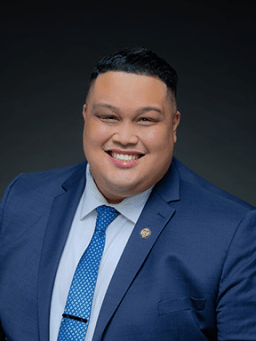
Brandon Elefante
District 16, Oʻahu

Della Au Belatti
District 26, Oʻahu
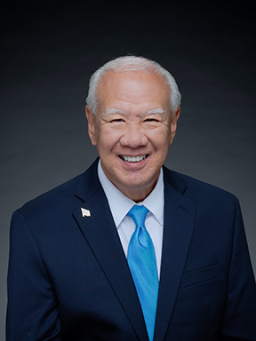
Gregg Takayama
District 34, Oʻahu
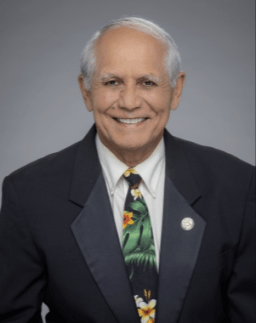
Mike Gabbard
District 21, Oʻahu
Non-Legislative Leaders
Other than legislators, these are the people or organizations that have been most active on justice issues including police, courts and corrections.