Is the Legislature addressing the needs and concerns of the neighbor islands?
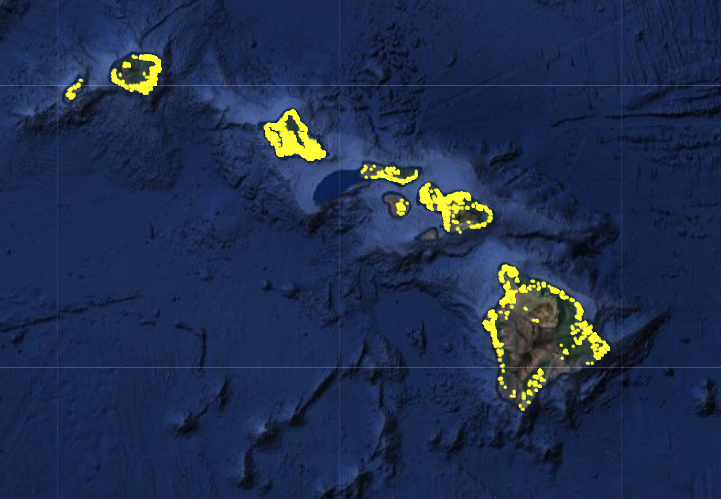
Most of the population of Hawaiʻi resides on Oʻahu so the neighbor islands — Maui, Molokaʻi, Lānaʻi, Kauaʻi, Niʻihau and Hawaiʻi island — are largely rural with serious concerns over being left out of the political conversation. Although the House speaker and Senate president both come from Kauaʻi, neighbor island residents worry they take a back seat on issues ranging from health care and transportation to environmental concerns like cesspool remediation. The deadly Maui wildfires in 2023 underscored the neighbor islands’ need for wildfire mitigation and funding for prevention.
In 2026, access to health care, housing and initiatives to help the economy remain top issues. Hawaiʻi County is asking the Legislature to extend the general excise tax surcharge until 2045 and repeal restrictions limiting its use on neighbor islands.
Quick Facts
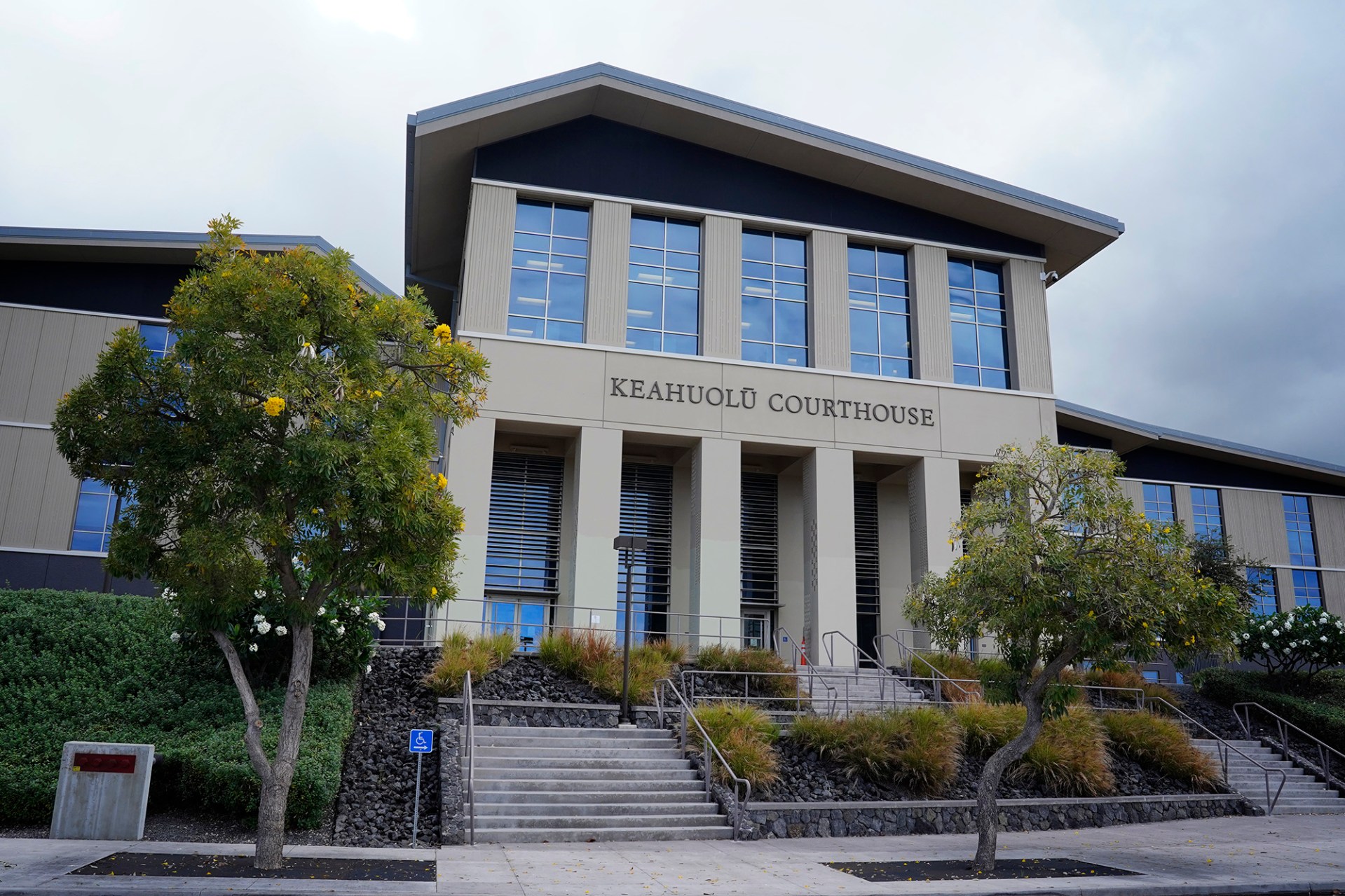
- Wild West: Puna on the Big Island, which is geographically as large as Oʻahu, is the fastest-growing area in the state.
- Flight risks: Air transportation to Lānaʻi and Molokaʻi is limited, as only one small commercial airline services these islands.
- Royal heritage: King Kamehameha II declared Lahaina, Maui, the capital of the kingdom in 1820. It was moved to Honolulu in 1845.
- The Forbidden Island: The sparsely populated Niʻihau is part of Kauaʻi County. It is owned by the Robinson family, which restricts access.
Neighbor Island Bills
In Focus
Here are the bills considered in the current session that affected the neighbor islands directly. Bills highlighted at the top are those identified by Civil Beat as among the most significant this year. “In progress” status includes bills that may have been deferred but are technically still alive until the end of the two-year Legislature.
SB 847 Passed
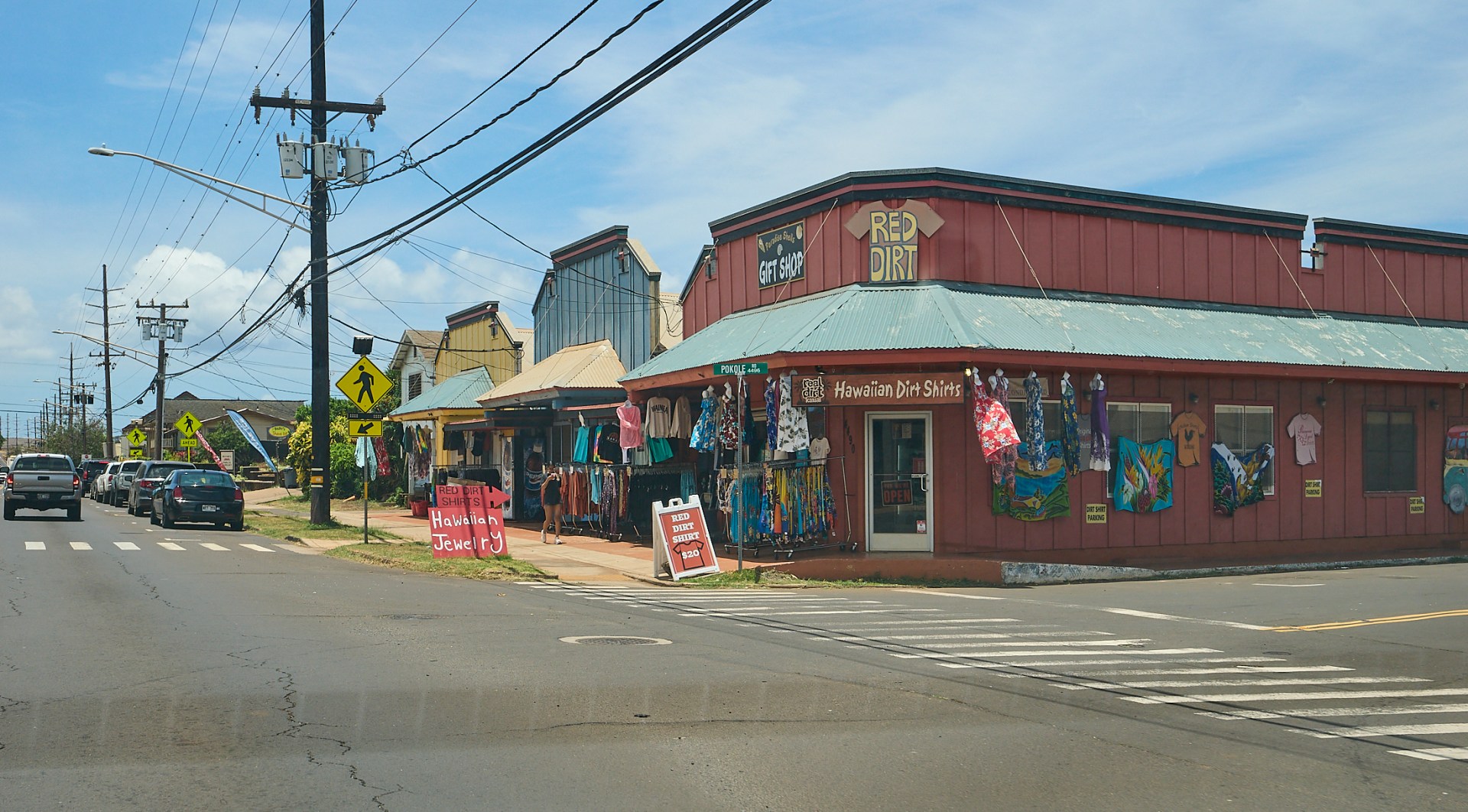
Establishes a three-year pilot program in the County of Kauai to allow qualified psychologists under the supervision of a supervising psychiatrist limited authority to prescribe psychotropic medications to patients between the ages of eighteen and sixty-five years under the care of the psychologist. Requires the Board of Psychology to adopt rules. Requires the State Health Planning and Development Agency to report to the Legislature. Sunsets 6/30/2031. (HD1)
SB 2969 Failed

Appropriates funds for the University of Hawaiʻi to expand and sustain services provided by the Maui Wildfire Exposure Study and Maui Health Registry. Effective 7/1/3000. (HD1)
HB 1921 Failed
Allows an existing cesspool that lawfully serves a single dwelling or dwelling unit in a priority level 3 area to continue serving that dwelling or dwelling unit and additional bedrooms constructed on the same parcel and within the existing dwelling or dwelling unit, subject to certain conditions. Authorizes the Department of Health to adopt rules and restrict additional bedrooms where evidence demonstrates that continued cesspool use impacts water quality or human health. Effective 7/1/3000. (HD2)
HB 2218 Passed

Authorizes the Department of Land and Natural Resources to enter into community co-management agreements and establishes qualifications for eligible community co-managers. Authorizes the disposition of public lands by a community co-management agreement. Effective 7/1/3000. (HD2)
HB 1064
STATE FIRE MARSHAL; STATE FIRE COUNCIL; STATE FIRE CODES; STATE
FIRE MARSHAL SELECTION COMMISSION; REPORTS; APPROPRIATION
In Progress Committee: House Standing Committee on Public Safety
STATE FIRE MARSHAL; STATE FIRE COUNCIL; STATE FIRE CODES; STATE
FIRE MARSHAL SELECTION COMMISSION; REPORTS; APPROPRIATIONCommittee: House Standing Committee on Public Safety
HB 1001
MAUI
WILDFIRES SETTLEMENT TRUST FUND; ESTABLISHMENT; APPROPRIATIONS
In Progress Committee: House Standing Committee on Judiciary & Hawaiian Affairs
MAUI
WILDFIRES SETTLEMENT TRUST FUND; ESTABLISHMENT; APPROPRIATIONSCommittee: House Standing Committee on Judiciary & Hawaiian Affairs
SB 465
DLNR; KIKIAOLA SMALL BOAT HARBOR; REPORT;
APPROPRIATION
In Progress Committee: Senate Standing Committee on Water and Land
DLNR; KIKIAOLA SMALL BOAT HARBOR; REPORT;
APPROPRIATIONCommittee: Senate Standing Committee on Water and Land
SB 1296
RECONSTRUCTION;
DEVELOPMENT; SPECIAL MANAGEMENT AREAS; DISASTER RECOVERY; WILDFIRE RECOVERY
In Progress Committee: Senate Standing Committee on Water and Land
RECONSTRUCTION;
DEVELOPMENT; SPECIAL MANAGEMENT AREAS; DISASTER RECOVERY; WILDFIRE RECOVERYCommittee: Senate Standing Committee on Water and Land
HB 613
OYS; SAFE
SPACES FOR YOUTH PROGRAM; HOMELESS YOUTH AND YOUNG ADULTS; SHELTER; REPORTS; APPROPRIATION
In Progress Committee: House Standing Committee on Human Services & Homelessness
OYS; SAFE
SPACES FOR YOUTH PROGRAM; HOMELESS YOUTH AND YOUNG ADULTS; SHELTER; REPORTS; APPROPRIATIONCommittee: House Standing Committee on Human Services & Homelessness
SB 1044
HPIA;
HHRF; DBEDT; HGIA; PROPERTY INSURANCE; HURRICANE INSURANCE COVERAGE;
CONDOMINIUMS; CONDOMINIUM LOAN PROGRAM; CONDOMINIUM LOAN REVOLVING FUND; CONDOMINIUM
LOAN LOSS RESERVES PROGRAM; COMMUNITY DEVELOPMENT FINANCIAL INSTITUTIONS; REPORTS;
REIMBURSABLE GENERAL OBLIGATION BONDS; APPROPRIATIONS
In Progress Committee: Senate Standing Committee on Commerce and Consumer Protection
HPIA;
HHRF; DBEDT; HGIA; PROPERTY INSURANCE; HURRICANE INSURANCE COVERAGE;
CONDOMINIUMS; CONDOMINIUM LOAN PROGRAM; CONDOMINIUM LOAN REVOLVING FUND; CONDOMINIUM
LOAN LOSS RESERVES PROGRAM; COMMUNITY DEVELOPMENT FINANCIAL INSTITUTIONS; REPORTS;
REIMBURSABLE GENERAL OBLIGATION BONDS; APPROPRIATIONSCommittee: Senate Standing Committee on Commerce and Consumer Protection
Key Players
Legislative Leaders
These lawmakers are key players in the Legislature on issues affecting the neighbor islands as identified by Civil Beat.
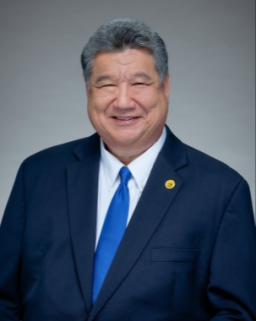
Ron Kouchi
District 8, Kaua‘i
Nadine Nakamura
District 15, Kauaʻi
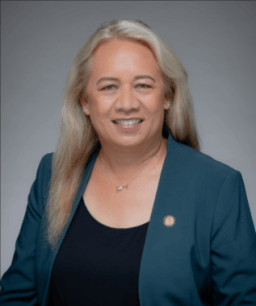
Lynn DeCoite
District 7, Maui

Joy San Buenaventura
District 2, Hawaiʻi
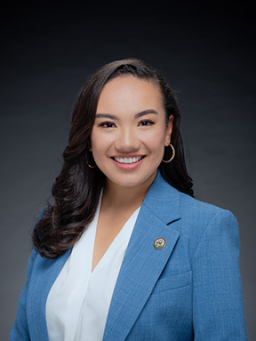
Jeanné Kapela
District 5, Hawaiʻi
Non-Legislative Leaders
Other than legislators, these are the people or organizations that have been most active when it comes to issues affecting the neighbor islands.