Are Native Hawaiians getting the help they’ve been asking for?
Much of the legislation addressing Native Hawaiians is introduced by two state agencies. The Department of Hawaiian Home Lands administers certain public lands to be used as homesteads for Native Hawaiians, defined as individuals having at least 50% Hawaiian blood. The Office of Hawaiian Affairs is a semi-autonomous state agency responsible for improving the well-being of all Native Hawaiians — through advocacy, research, community engagement, land management and the funding of community programs — regardless of blood quantum. In spite of the mandates of these two agencies, the 2025 legislative session resulted in little success for DHHL and OHA bills and funding requests.
In 2026, DHHL is hoping again to get lawmakers to provide more money for housing on Hawaiian homelands and reduce the agency’s waitlist. Interest in geothermal development on Hawaiian lands also is increasing.
Quick Facts
- Population numbers: More people who claim Native Hawaiian ancestry in combination with two or more races (362,893) live on the U.S. mainland than in Hawaiʻi (317,497).
- Economic status: As of 2022, it was estimated that 10.6% of Native Hawaiian families were classified as living below the poverty level.
- Homesteading: As of 2020, more than 34,000 Hawaiians lived on Hawaiian homelands. The largest populations are in Nānākuli (5,135) and Waimānalo (3,639), both located on Oʻahu.
- Heritage: Hawaiʻi, which was an independent nation until 1893, is the only state to have a royal residence, ʻIolani Palace.
Native Hawaiian Affairs Bills In Hawaiʻi In 2025
In Focus
Here are the major Native Hawaiian bills considered this session, with the highlighted bills identified by Civil Beat as among the most significant in 2026. “In progress” status includes bills that may have been deferred but are technically still alive until the end of the two-year Legislature (2025-2026).
HB 2049 Failed

Restructures the conveyance tax to a marginal rate system for the sale of properties with residential use, adjusts the tax for multifamily properties to reflect value on a per-unit basis, and applies a cost-of-living adjustment to conveyance tax rates. Allocates revenues from conveyance tax collections. Allocates a portion of conveyance tax collections to the Dwelling Unit Revolving Fund to fund infrastructure programs in areas that meet minimum standards of transit-supportive density. Allocates a portion of conveyance tax revenues to the Hawaiian Home Lands Trust Fund. Effective 7/1/3000. (HD2)
HB 2047 Failed

Amends the process for the hiring of the Executive Director of the Aha Moku Advisory Committee. Specifies that the Chairperson of the Board of Land and Natural Resources is responsible for the appointment, oversight, and administrative authority over the Executive Director of the Aha Moku Advisory Committee. Requires any formal position, recommendation, or advisory action of the Aha Moku Advisory Committee to be adopted at a duly noticed public meeting at which a quorum is present. Amends the reporting requirements of the Aha Moku Advisory Committee. Effective 7/1/3000. (HD1)
HB 2592 Passed
Clarifies the powers of the Mauna Kea Stewardship and Oversight Authority so that it may carry out its intended duties regarding land use on Mauna Kea. Part II: Transfers as a matter of law certain real property interests in the Mauna Kea lands to the Mauna Kea Stewardship and Oversight Authority. Part III: Requires the University of Hawaiʻi to transfer the various Mauna Kea astronomical observatory conservation district use permits to the astronomical observatories. Part IV: Provides that the existing plans and administrative rules adopted or developed by the University of Hawaiʻi under which Mauna Kea is currently governed remain in effect until plans and administrative rules adopted by the Mauna Kea Stewardship and Oversight Authority take effect. Part V: Clarifies that the Mauna Kea Stewardship and Oversight Authority has state sovereign immunity. Effective 7/1/3000. (HD1)
SB 3247 Failed
Establishes a Royal Mausoleum Working Group within the Department of Land and Natural Resources to develop and implement policy for the preservation, operation, and outreach of Mauna ?Ala. Allows the Royal Mausoleum Working Group to make rules as necessary, employ staff, and receive private or federal funds. Requires the Royal Mausoleum Working Group to submit a brief report and a final comprehensive report to the Legislature. Requires the Legislature to appropriate sufficient funds to support the Royal Mausoleum Working Group. Effective 9/9/2129. (SD1)
HB 830
DLNR;
SHPD; REVIEW AND COMMENT; HISTORIC PRESERVATION REVIEW; RESIDENTIAL UNITS;
MIXED-USE DEVELOPMENT; THIRD-PARTY CONSULTANTS
In Progress Committee: House Standing Committee on Housing
DLNR;
SHPD; REVIEW AND COMMENT; HISTORIC PRESERVATION REVIEW; RESIDENTIAL UNITS;
MIXED-USE DEVELOPMENT; THIRD-PARTY CONSULTANTSCommittee: House Standing Committee on Housing
SB 465
DLNR; KIKIAOLA SMALL BOAT HARBOR; REPORT;
APPROPRIATION
In Progress Committee: Senate Standing Committee on Water and Land
DLNR; KIKIAOLA SMALL BOAT HARBOR; REPORT;
APPROPRIATIONCommittee: Senate Standing Committee on Water and Land
SB 1296
RECONSTRUCTION;
DEVELOPMENT; SPECIAL MANAGEMENT AREAS; DISASTER RECOVERY; WILDFIRE RECOVERY
In Progress Committee: Senate Standing Committee on Water and Land
RECONSTRUCTION;
DEVELOPMENT; SPECIAL MANAGEMENT AREAS; DISASTER RECOVERY; WILDFIRE RECOVERYCommittee: Senate Standing Committee on Water and Land
HB 800
REAL
PROPERTY; PUBLIC LANDS; TRANSFER; CITY AND COUNTY OF HONOLULU; DLNR; DAGS;
HHFDC; APPROPRIATIONS
In Progress Committee: House Standing Committee on Water & Land
REAL
PROPERTY; PUBLIC LANDS; TRANSFER; CITY AND COUNTY OF HONOLULU; DLNR; DAGS;
HHFDC; APPROPRIATIONSCommittee: House Standing Committee on Water & Land
SB 15
HISTORIC
PRESERVATION; HISTORIC PROPERTY; EXCLUSIONS
In Progress Committee: Senate Standing Committee on Water and Land
HISTORIC
PRESERVATION; HISTORIC PROPERTY; EXCLUSIONSCommittee: Senate Standing Committee on Water and Land
HB 422
DOE;
SCHOOL FACILITIES AUTHORITY; SCHOOL IMPACT FEES; CONSTRUCTION COST COMPONENT;
EXEMPTIONS; RULES; LAND COMPONENT IMPACT FEE; REPORT
In Progress Committee: House Standing Committee on Housing
DOE;
SCHOOL FACILITIES AUTHORITY; SCHOOL IMPACT FEES; CONSTRUCTION COST COMPONENT;
EXEMPTIONS; RULES; LAND COMPONENT IMPACT FEE; REPORTCommittee: House Standing Committee on Housing
Key Players
Legislative Leaders
These are the key legislative leaders on Native Hawaiian issues as identified by Civil Beat.
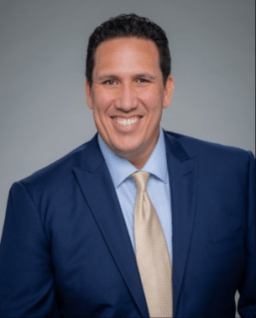
Jarrett Keohokalole
District 24, Oʻahu

Daniel Holt
District 28, Oʻahu
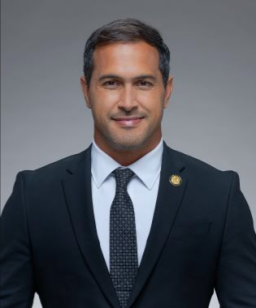
Brenton Awa
District 23, Oʻahu

Kirstin Kahaloa
District 6, Hawaiʻi
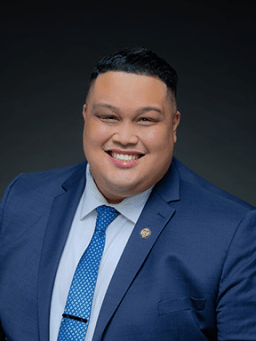
Darius Kila
District 44, Oʻahu

Diamond Garcia
District 42, Oʻahu
Non-Legislative Leaders
Other than legislators, these are the organizations and people who have been most active on Native Hawaiian issues.