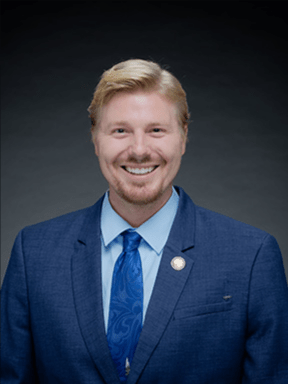
Elijah Pierick
- House: 2022-present
News coverage of Elijah Pierick
Bio
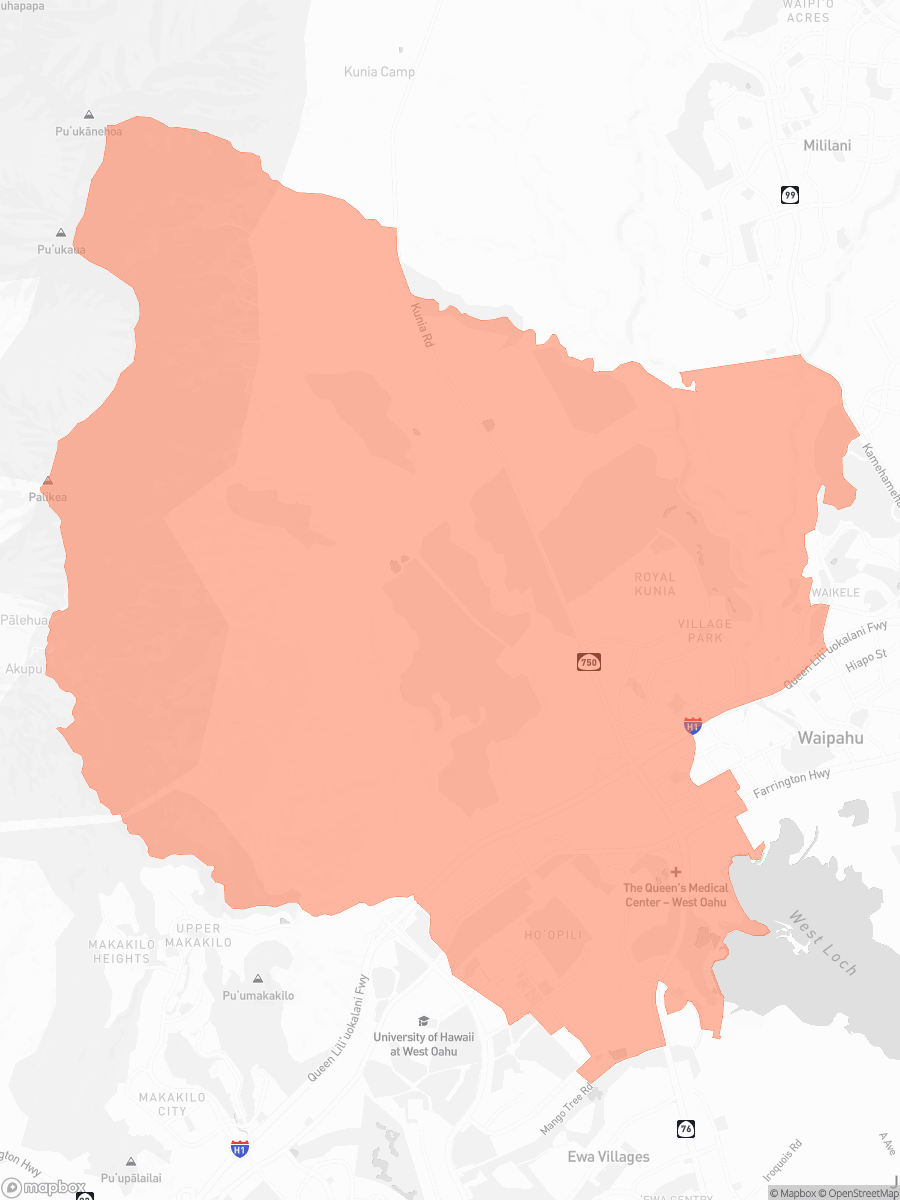
Elijah Pierick represents Royal Kunia, Village Park, Honouliuli, Ho‘opili and Waipahu. He says the best way to understand him is to read the preamble of the Hawaiʻi Constitution, which begins,
“We, the people of Hawaii, grateful for Divine Guidance …”
Pierick’s priorities are safer neighborhoods, an improved economy, cheaper housing, better education, faster commutes and low-cost electricity. He has served as a Sunday school teacher, a soccer camp coach and a volunteer at Kapolei Juvenile Detention Center.
Leader Badges
Bill Activity
0
Of 33 bills:For this session year, this legislator initiated 33 bills: 0 passed, 33 failed, and 0 are currently pending.
Alignment Meter
See all-time percentage of this legislator’s alignment with any organization based on total votes.
Financials
This feature tracks sources of money intended to help a candidate win election.
Election
This display shows money given directly to the incumbent’s campaign committee (NOTE: The industry categories for donors come from Open Secrets, a nonpartisan research organization for campaign finance. Some contributions are “uncoded,” meaning they have not been assigned to an industry sector. As a result, the total for each sector is also an estimate).
Finance, Insurance & Real Estate
Ideology/Single Issue
Party
Uncoded
Candidate Donations
Individuals, corporations, organizations and committees are limited to a maximum donation to candidates of $4000 for the Senate and $2000 for the house.
32.0% lower than the average legislators
Independent Expenditures
Money from Independent Expenditure Committees (IEC) for advertising or grassroots activity targeting a candidates run for office is unlimited, but it cannot be spent in coordination with the candidate or the candidate's campaign.
642.0% higher than the average legislators
Grand Total for Elections
23.0% lower than the average legislators
This is a total of the money targeting this legislator's campaign(s) including direct donations to the candidate, money spent by Independent Expenditure Committees and money from political parties.
Influence
There are two categories of donations to legislators after they are elected that encourage a working relationship between the donor and the legislator. The categories are: 1-Gifts, 2-Travel.
Policy
Bills Authored by Elijah Pierick
Committees
Most of the policy work in the Hawai’i state Capitol is done in “Standing” committees.
Hearings
Featured Comments
Below are links to the video and transcript of recent, substantive comments by this legislator in committee hearings or floor sessions.
District
Previous Election (2024):
Census Data
Median age