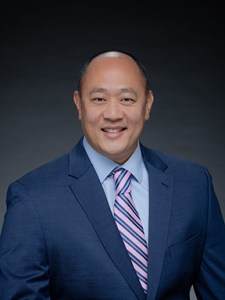
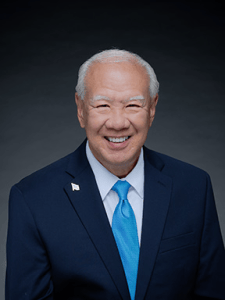
HR 180: URGING THE GOVERNOR TO DETERMINE A COURSE OF ACTION FOR THE STATE, SHOULD THE FEDERAL GOVERNMENT CUT FUNDING FOR MEDICAID.
- Session Year: 2025-2026
- House: House
- Latest Version Date: 2025-03-25
Current Status:
In Progress
(2025-03-27: Report adopted; referred to the committee(s) on FIN as amended in HD 1 with none voting aye with reservations; Representative(s) Alcos, Garcia, Matsumoto, Muraoka, Pierick, Shimizu voting no (6) and Representative(s) Hashem, Hussey, Templo, Ward excused (4).)
Introduced
In Committee
First Chamber
In Committee
Second Chamber
Final Decking
Enacted
URGING THE GOVERNOR TO DETERMINE A COURSE OF ACTION FOR THE STATE, SHOULD THE FEDERAL GOVERNMENT CUT FUNDING FOR MEDICAID.
urging the governor to determine a course of action for the state, should the federal government cut funding for medicaid.
|
HOUSE OF REPRESENTATIVES |
H.R. NO. |
180 |
|
THIRTY-THIRD LEGISLATURE, 2025 |
H.D. 1 |
|
|
STATE OF HAWAII |
|
|
|
|
|
|
|
|
||
|
|
||
HOUSE RESOLUTION
URGING THE GOVERNOR TO DETERMINE A COURSE OF ACTION FOR THE STATE, SHOULD THE FEDERAL GOVERNMENT CUT FUNDING FOR MEDICAID.
WHEREAS, Medicaid provides comprehensive health and long-term care to more than seventy-two million Americans with limited income and resources who meet eligibility requirements, including children, adults, seniors, and individuals with disabilities; and
WHEREAS, Hawaii's state Medicaid program, Med-QUEST, provides health care coverage to approximately one in five Hawaii residents and one in three children and serves as a cornerstone of Hawaii's health care infrastructure and a lifeline for vulnerable population; and
WHEREAS, in fiscal year 2023, the total Medicaid spending in Hawaii was $3,000,000,000, of which seventy-three percent was paid by the federal government, which highlights the impact federal funding has on Medicaid services in the State; and
WHEREAS, Federally Qualified Health Centers (FQHCs) are federally funded entities that meet certain requirements, including providing care to patients regardless of the ability to pay; and
WHEREAS, Hawaii's FQHCs provide critical health care services at over one hundred sites; in 2023 they served 158,448 patients, including over forty-five thousand children, twenty-five thousand kupuna, 7,520 individuals experiencing homelessness, 3,568 veterans, and 1,744 agricultural workers, which demonstrates the wide-ranging impact and reach FQHCs have amongst the most vulnerable groups in the State; and
WHEREAS, Hawaii's FQHCs predominately serve low-income populations, with over fifty percent of patients seen at FQHCs living below the federal poverty level and fifty-seven percent insured through Medicaid, which highlights Medicaid's indispensable role in enabling care for Hawaii's underserved communities; and
WHEREAS, Hawaii's FQHCs provide high-quality, cost-effective care that reduces overall health expenditures in the State; for example, in 2023, medical expenditures were reduced by twenty-four percent for Hawaii Medicaid patients who received services at an FQHC compared to Medicaid patients who received care via other providers, which generated about $215,800,000 in savings to Medicaid and $301,000,000 in savings to the overall health system; and
WHEREAS, Hawaii's FQHCs also stimulate the State's economy; for example, in 2023, FQHCs employed two thousand ten staff directly and supported 3,594 total jobs, which generated over $23,100,000 for state and local tax revenues and had a total economic impact of over $580,300,000; and
WHEREAS, in February 2025, a budget resolution was passed by the United States House of Representatives that approved a drastic reduction for Medicaid funding of more than $800,000,000,000 over the next ten years and elimination of the federal Patient Protection and Affordable Care Act (ACA) expansion match rate, which would drastically curtail federal support for Hawaii's health care programs and the Medicaid-enrolled population; and
WHEREAS, a study by the Kaiser Family Foundation, a nonpartisan organization that researches and reports on health policy in the United States, examined the impact of eliminating the ACA Medicaid expansion, wherein the federal government pays ninety percent of the costs for Medicaid expansion enrollees, under two scenarios:
(1) Assuming that all expansion states maintain Medicaid expansion coverage and pick up new expansion costs, federal Medicaid spending would decrease by ten percent (or $626,000,000,000) and state Medicaid spending would increase by seventeen percent (or $626,000,000,000) over a ten-year period; and
(2) Assuming that all states drop the ACA Medicaid expansion coverage in response to the elimination of the ninety percent federal match rate, federal Medicaid spending would decrease by twenty-five percent (or $1,700,000,000,000), and state Medicaid spending would decrease by five percent (or $186,000,000,000) over a ten-year period; and
WHEREAS, under the second scenario, total Medicaid spending would be cut by nearly one-fifth (or $1,900,000,000,000), and nearly a quarter of all Medicaid enrollees, twenty million people nationally, would lose coverage; and
WHEREAS, only states that have adopted the Medicaid expansion would see any spending or enrollment impacts under these policy proposals, though changes would vary by state; and
WHEREAS, according to the Kaiser Family Foundation study, if Hawaii picked up the new expansion costs under the first scenario, the anticipated loss of federal funding per fiscal year that would need to be offset by state funds is $320,000,000; and
WHEREAS, under the second scenario, in which Hawaii would drop Medicaid expansion coverage, federal Medicaid funding would decrease by $9,400,000,000, while state Medicaid funding would decrease by $1,000,000,000 annually and result in one hundred fifty-six thousand people, or thirty-four percent of Hawaii's total Medicaid population, losing coverage; and
WHEREAS, if Hawaii maintains Medicaid expansion coverage in the wake of this policy change, lawmakers will need to increase the general fund appropriation to HMS401 on a continual basis or find new sources of funding for this vital program; and
WHEREAS, such severe cuts to Medicaid would have dire consequences for the State and FQHCs, such as reducing health coverage for Medicaid patients, increasing the number of uninsured individuals, decreasing access to care, and reversing positive health outcomes associated with Medicaid expansion; and
WHEREAS, the federal government has also initiated massive reductions in the federal workforce that will increase the number of uninsured workers and their families in the State, which will have a significant impact on Hawaii's Medicaid program; now, therefore,
BE IT RESOLVED by the House of Representatives of the Thirty-third Legislature of the State of Hawaii, Regular Session of 2025, that the Governor is urged to determine a course of action for the State, should the federal government cut funding for Medicaid; and
BE IT FURTHER RESOLVED that the Governor is urged to consult with the members of Hawaii's congressional delegation to ascertain the impacts of pending federal legislation on Medicaid expansion and the timing of any reduction in federal funding; and
BE IT FURTHER RESOLVED that the Governor is requested to submit a report of any findings and recommendations, including proposed legislation, to the Legislature no later than twenty days prior to the convening of the Regular Session of 2026; and
BE IT FURTHER RESOLVED that certified copies of this Resolution be transmitted to each respective member of Hawaii's congressional delegation, the Governor, Director of Commerce and Consumer Affairs, Director of Health, Director of Human Services, and Director of Finance.
Medicaid; Medicaid Expansion; Federal Funding; Budget Cuts
|
HOUSE OF REPRESENTATIVES |
H.R. NO. |
180 |
|
THIRTY-THIRD LEGISLATURE, 2025 |
|
|
|
STATE OF HAWAII |
|
|
|
|
|
|
|
|
||
|
|
||
HOUSE RESOLUTION
urging the governor to determine a course of action for the state, should the federal government cut funding for medicaid.
WHEREAS, Medicaid provides comprehensive health and long-term care to more than seventy-two million Americans with limited income and resources who meet eligibility requirements, including children, adults, seniors, and people with disabilities; and
WHEREAS, Hawaii's state Medicaid program, Med-QUEST, provides health care coverage to approximately one in five Hawaii residents and one in three children and serves as a cornerstone of Hawaii's health care infrastructure and a lifeline for vulnerable population; and
WHEREAS, in fiscal year 2023, the total Medicaid spending in Hawaii was $3,000,000,000, of which seventy-three percent was paid by the federal government, which highlights the impact federal funding has on Medicaid services in the State; and
WHEREAS, Federally Qualified Health Centers (FQHCs) are federally funded entities that meet certain requirements, including providing care to patients regardless of the ability to pay; and
WHEREAS, Hawaii's FQHCs provide critical health care services at over one hundred sites; in 2023 they served 158,448 patients, including over forty-five thousand children, twenty-five thousand kupuna, 7,520 individuals experiencing homelessness, 3,568 veterans, and 1,744 agricultural workers, which demonstrates the wide-ranging impact and reach FQHCs have amongst the most vulnerable groups in the State; and
WHEREAS, Hawaii's FQHCs predominately serve low-income populations, with over fifty percent of patients seen at FQHCs living below the federal poverty level and fifty-seven percent insured through Medicaid, which highlights Medicaid's indispensable role in enabling care for Hawaii's underserved communities; and
WHEREAS, Hawaii's FQHCs provide high-quality, cost-effective care that reduces overall health expenditures in the State; for example, in 2023, medical expenditures were reduced by twenty-four percent for Hawaii Medicaid patients who received services at an FQHC compared to Medicaid patients who received care via other providers, which generated about $215,800,000 in savings to Medicaid and $301,000,000 in savings to the overall health system; and
WHEREAS, Hawaii's FQHCs also stimulate the State's economy; for example, in 2023, FQHCs employed two thousand ten staff directly and supported 3,594 total jobs, which generated over $23,100,000 for state and local tax revenues and had a total economic impact of over $580,300,000; and
WHEREAS, in February 2025, a budget resolution was passed by the United States House of Representatives that approved a drastic reduction for Medicaid funding of more than $800,000,000,000 over the next ten years and elimination of the federal Patient Protection and Affordable Care Act (ACA) expansion match rate, which would drastically curtail federal support for Hawaii's health care programs and the Medicaid-enrolled population; and
WHEREAS, a study by the Kaiser Family Foundation, a nonpartisan organization that researches and reports on health policy in the United States, examined the impact of eliminating the ACA Medicaid expansion, wherein the federal government pays ninety percent of the costs for Medicaid expansion enrollees, under two scenarios:
(1) Assuming that all expansion states maintain Medicaid expansion coverage and pick up new expansion costs, federal Medicaid spending would decrease by ten percent (or $626,000,000,000) and state Medicaid spending would increase by seventeen percent (or $626,000,000,000) over a 10-year period; and
(2) Assuming that all states drop the ACA Medicaid expansion coverage in response to the elimination of the ninety percent federal match rate, federal Medicaid spending would decrease by twenty-five percent(or $1,700,000,000,000), and state Medicaid spending would decrease by five percent (or $186,000,000,000) over a ten-year period; and
WHEREAS, under the second scenario, total Medicaid spending would be cut by nearly one-fifth (or $1,900,000,000,000), and nearly a quarter of all Medicaid enrollees, twenty million people nationally, would lose coverage; and
WHEREAS, only states that have adopted the Medicaid expansion would see any spending or enrollment impacts under this policy proposals, though changes would vary by state; and
WHEREAS, according to the study, if Hawaii picked up the new expansion costs under scenario 1, the anticipated loss of federal funding per fiscal year that would need to be offset by State funds is $3,200,000,000; and
WHEREAS, under scenario 2, in which Hawaii would drop Medicaid expansion coverage, federal Medicaid funding would decrease by $9,400,000,000 while state Medicaid funding would decrease by $1,000,000,000 annually and result in one hundred fifty-six thousand people, or thirty-four percent of Hawaii's total Medicaid population, losing coverage; and
WHEREAS, if Hawaii maintains Medicaid expansion coverage in the wake of this policy change, lawmakers will need to increase the general fund appropriation to HMS401 on a continual basis or find new sources of funding for this vital program; and
WHEREAS, such severe cuts to Medicaid would have dire consequences for the State and FQHCs, such as reducing health coverage for Medicaid patients, increasing the number of uninsured individuals, decreasing access to care, and reversing positive health outcomes associated with Medicaid expansion; and
WHEREAS, the federal government has also initiated massive reductions in the federal workforce that will increase the number of uninsured workers and their families in the State, which will have a significant impact on Hawaii's Medicaid program; now, therefore,
BE IT RESOLVED by the House of Representatives of the Thirty-third Legislature of the State of Hawaii, Regular Session of 2025, that the Governor is urged to determine a course of action for the State, should the federal government cut funding for Medicaid; and
BE IT FURTHER RESOLVED that the Governor is urged to consult with the members of Hawaii's congressional delegation to ascertain the impacts of pending federal legislation on Medicaid expansion and the timing of any reduction in federal funding; and
BE IT FURTHER RESOLVED that the Governor is requested to submit a report of any findings and recommendations, including proposed legislation, to the Legislature no later than twenty days prior to the convening of the Regular Session of 2026; and
BE IT FURTHER RESOLVED that certified copies of this Resolution be transmitted to each respective member of Hawaii's congressional delegation, the Governor, Director of Commerce and Consumer Affairs, Director of Health, Director of Human Services, and Director of Finance.
|
|
OFFERED BY: |
_____________________________ |
|
|
|
|
Medicaid; Medicaid Expansion; Federal Funding; Budget Cuts
|
Date
|
Status
|
|---|---|
| Mar 27, 2025 | Report adopted; referred to the committee(s) on FIN as amended in HD 1 with none voting aye with reservations; Representative(s) Alcos, Garcia, Matsumoto, Muraoka, Pierick, Shimizu voting no (6) and Representative(s) Hashem, Hussey, Templo, Ward excused (4). |
| Mar 27, 2025 | Reported from HSH (Stand. Com. Rep. No. 1607) as amended in HD 1, recommending referral to FIN. |
| Mar 20, 2025 | The committee on HSH recommend that the measure be PASSED, WITH AMENDMENTS. The votes were as follows: 6 Ayes: Representative(s) Marten, Olds, Amato, Chun, Keohokapu-Lee Loy, Takayama; Ayes with reservations: none; 2 Noes: Representative(s) Alcos, Garcia; and 1 Excused: Representative(s) Takenouchi. |
| Mar 17, 2025 | Resolution scheduled to be heard by HSH on Thursday, 03-20-25 10:15AM in conference room 329 VIA VIDEOCONFERENCE. |
| Mar 14, 2025 | Referred to HSH, FIN, referral sheet 22 |
| Mar 7, 2025 | Offered |
|
Date
|
Description
|
Location
|
Votes
|
|
|---|---|---|---|---|
| Mar 20, 2025 | The committee on HSH recommend that the measure be PASSED, WITH AMENDMENTS | House Standing Committee on Human Services & Homelessness |
Passed |
This list shows positions taken on this bill by organizations on the date displayed, which is linked to the original source.
Positions by individuals are not included.
|
Organization
|
Position
|
Date
|
|---|---|---|
| Executive Office on Aging | ** Support | |
| Hawaii Primary Care Association | ** Support | |
| State Council on Developmental Disabilities | ** Support | |
| Waianae Coast Comprehensive Health Center | ** Support |
STAND. COM. REP. NO. 1607
Honolulu, Hawaii
, 2025
RE: H.R. No. 180
H.D. 1
Honorable Nadine K. Nakamura
Speaker, House of Representatives
Thirty-Third State Legislature
Regular Session of 2025
State of Hawaii
Madame:
Your Committee on Human Services & Homelessness, to which was referred H.R. No. 180 entitled:
"HOUSE RESOLUTION URGING THE GOVERNOR TO DETERMINE A COURSE OF ACTION FOR THE STATE, SHOULD THE FEDERAL GOVERNMENT CUT FUNDING FOR MEDICAID,"
begs leave to report as follows:
Your Committee received testimony in support of this measure from the Executive Office on Aging; State Council on Developmental Disabilities; Hawaii Primary Care Association; Waianae Coast Comprehensive Health Center; and one individual. Your Committee received comments on this measure from the Department of Human Services.
Your Committee finds that Hawaii's Medicaid program, Med-QUEST, plays a vital role in providing health care coverage to a significant portion of the State's population, particularly low-income individuals, children, seniors, and individuals with disabilities. Proposed federal funding cuts to Medicaid would have severe consequences for the State, potentially leading to a loss of coverage for thousands of residents, increased financial strain on the State's budget, and reduced access to essential health services. This measure urges the Governor to determine a course of action to mitigate the impact of potential federal Medicaid cuts, ensuring that the State remains prepared to sustain critical health care services.
Your Committee has amended this measure by making technical, nonsubstantive amendments for the purposes of clarity, consistency, and style.
As affirmed by the record of votes of the members of your Committee on Human Services & Homelessness that is attached to this report, your Committee concurs with the intent and purpose of H.R. No. 180, as amended herein, and recommends that it be referred to your Committee on Finance in the form attached hereto as H.R. No. 180, H.D. 1.
Respectfully submitted on behalf of the members of the Committee on Human Services & Homelessness,
|
|
|
____________________________ LISA MARTEN, Chair |
|
|
|
|
|
Date
|
Testimony PDF
|
|---|---|
| Mar 20, 2025 | HR180_TESTIMONY_HSH_03-20-25_.PDF |
Bill Author