SB 872: RELATING TO EDUCATION.
- Session Year: 2025-2026
- House: Senate
- Latest Version Date: 2025-01-17
Current Status:
Failed
(2025-12-08: Carried over to 2026 Regular Session.)
Introduced
In Committee
First Chamber
In Committee
Second Chamber
Final Decking
Enacted
Allows newly graduated high school students to be eligible for workers' compensation coverage during the summer following their high school graduation while participating in Department of Education-sponsored work-based learning programs.
|
THE SENATE |
S.B. NO. |
872 |
|
THIRTY-THIRD LEGISLATURE, 2025 |
|
|
|
STATE OF HAWAII |
|
|
|
|
|
|
|
|
||
|
|
||
A BILL FOR AN ACT
relating to education.
BE IT ENACTED BY THE LEGISLATURE OF THE STATE OF HAWAII:
SECTION 1. The legislature finds that a main goal of the department of education's State of Hawaii public education 2023-2029 strategic plan is to have "all students graduate high school prepared for college and career success and community and civic engagement." As part of this goal, an action item in the strategic plan includes "expand[ing] students' opportunities for structured work-based learning experiences, including internships for high school students, through partnerships with employers, community partners, military and higher education institutions."
To achieve the goals set forth in the strategic plan, the department of education is actively pursuing internships for students, including graduating high school students. However, the department finds that once students graduate from high school, they are no longer considered a student and are not covered for workers' compensation while they are participating in a department-sponsored work-based learning opportunity during the summer following graduation.
Therefore, the purpose of this Act is to allow newly graduated former students to be eligible for workers' compensation coverage during the summer following their high school graduation while participating in work-based learning programs sponsored by the department of education.
SECTION 2. Section 302A-430, Hawaii Revised Statutes, is amended to read as follows:
"§302A-430 Coverage for workers' compensation.
Whenever a student or a new high school graduate participating in
a school-approved work-based learning program sponsored by the department [of
education] or a student participating in a school-approved work-based
learning program sponsored by the [University] university of
Hawaii undertakes to perform work for a private or public employer as part of
the student's or new high school graduate's work-based learning program,
whether paid or unpaid, the State shall be deemed to be the responsible
employer for the purposes of workers' compensation coverage[,];
provided that no coverage under this section shall be provided beyond July 31
of the student's or the new high school graduate's high school graduation year,
and that coverage shall be the student's or the new high school
graduate's exclusive remedy to the same extent as provided for in chapter
386 as against the State and the private employer participating in the program."
SECTION 3. Statutory material to be repealed is bracketed and stricken. New statutory material is underscored.
SECTION 4. This Act shall take effect upon its approval.
|
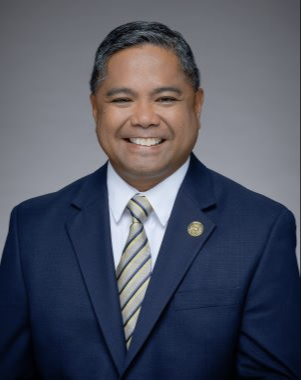
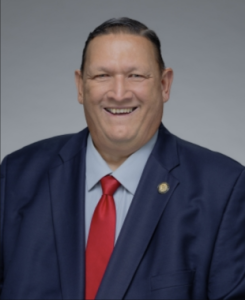
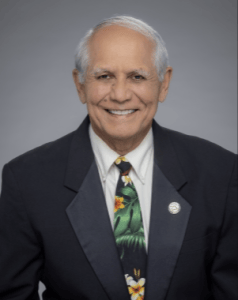
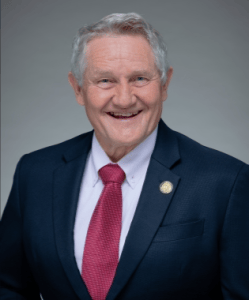
INTRODUCED BY: |
_____________________________ |
|
|
|
Report Title:
DOE; Workers' Compensation; Work-based Internships
Description:
Allows newly graduated high school students to be eligible for workers' compensation coverage during the summer following their high school graduation while participating in Department of Education-sponsored work-based learning programs.
The summary description of legislation appearing on this page is for informational purposes only and is not legislation or evidence of legislative intent.
|
Date
|
Status
|
|---|---|
| Dec 8, 2025 | Carried over to 2026 Regular Session. |
| Jan 23, 2025 | Referred to EDU/LBT, WAM. |
| Jan 21, 2025 | Passed First Reading. |
| Jan 17, 2025 | Introduced. |
This list shows positions taken on this bill by organizations on the date displayed, which is linked to the original source.
Positions by individuals are not included.
Bill Author