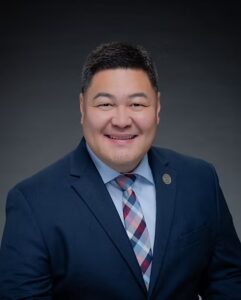
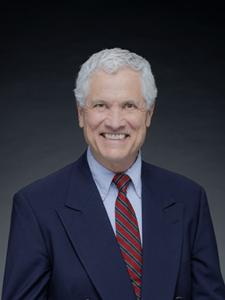
HB 736: University of Hawaii Water Resources Research Center; Wastewater System Testing; Pilot Program; Appropriation
- Session Year: 2025-2026
- House: House
- Latest Version Date: 2025-04-26
Current Status:
In Progress
(2025-06-06: Act 198, on 06/06/2025 (Gov. Msg. No. 1298).)
Introduced
In Committee
First Chamber
In Committee
Second Chamber
Final Decking
Enacted
Establishes and appropriates funds for fiscal year 2025-2026 for a three-year new wastewater system and individual wastewater system technology testing pilot program within the University of Hawaii Water Resources Research Center. Requires interim and final reports to the Legislature. (CD1)
Establishes and appropriates funds for a three-year new wastewater system and individual wastewater system technology testing pilot program within the University of Hawaii Water Resources Research Center. Requires interim and final reports to the Legislature. Effective 7/1/2050. (SD1)
Establishes and appropriates funds for a three-year new wastewater system and individual wastewater system technology testing pilot program within the University of Hawaii Water Resources Research Center. Requires interim and final reports to the Legislature. Effective 7/1/3000. (HD1)
Establishes and appropriates funds for a three-year new wastewater system and individual wastewater system technology testing pilot program within the University of Hawaii Water Resources Research Center. Requires interim and final reports to the Legislature.
|
HOUSE OF REPRESENTATIVES |
H.B. NO. |
736 |
|
THIRTY-THIRD LEGISLATURE, 2025 |
H.D. 1 |
|
|
STATE OF HAWAII |
S.D. 1 |
|
|
|
C.D. 1 |
|
|
|
||
|
|
||
A BILL FOR AN ACT
RELATING TO WASTEWATER SYSTEMS.
BE IT ENACTED BY THE LEGISLATURE OF THE STATE OF HAWAII:
SECTION 1. The legislature finds that the health of Hawaii's people and quality of Hawaii's waters are being harmed by pollution from cesspools. Hawaii has more than eighty thousand cesspools that discharge about fifty million gallons of wastewater into the State's groundwater every day. Cesspools are antiquated, substandard systems that damage public health; pollute drinking water; and lower water quality in streams, groundwater, nearshore marine areas, and the ocean. Cesspool pollution also harms public recreation and the precious coral reefs on which Hawaii's economy, shoreline, fisheries, and native species depend. To protect the public health and environment, cesspools should be replaced by connecting homes to sewerage systems or, in areas that are too remote to be feasibly connected, upgraded either with individual on-site wastewater disposal systems or cluster wastewater treatment systems.
To address the State's cesspool pollution, Act 125, Session Laws of Hawaii 2017, required all cesspools to be upgraded or converted to a septic system or aerobic treatment unit system or connected to a sewerage system before January 1, 2050, with certain exemptions. In recognition of other possible alternative systems, Act 87, Session Laws of Hawaii 2022, amended the law to instead require that every cesspool in the State, excluding cesspools granted exemptions by the director of health, shall be upgraded or converted to "a director-approved wastewater system" or connected to a sewerage system.
The legislature additionally finds it is critical that cesspool conversions be affordable for homeowners and government entities, as traditional individual wastewater systems may not be the best, most affordable solutions, especially where substantial excavation and large absorption beds are required. The costs of such systems generally exceed $25,000 and can be even more expensive in some locations.
The legislature also finds that new wastewater technologies and management solutions may improve public health and the environment, especially the protection of fragile coral reefs, more affordably than some traditional individual wastewater systems. Technologies that are reaching a commercial scale for the first time include solutions for individual homes, as well as multi-unit dwellings, apartment buildings, and entire communities. At the neighborhood or municipal scale, these technologies could effectively treat sewage from entire communities for lower costs than existing technology now employed in Hawaii.
Therefore, new technologies need to be tested in order to be certified by the department of health for use in Hawaii. The university of Hawaii's water resources research center has experience in such testing, and their guidance and studies could facilitate the department of health's certifications. However, in order to do such work, the university of Hawaii's water resources research center would need funding for a full-time coordinator, administrative efforts, and infrastructure and equipment costs for testing and analyses.
Additionally, maintaining the cleanliness of the State's waters is a matter of statewide concern that falls under the legislature's obligation to enact laws pursuant to article XI, section 7, of the Hawaii State Constitution, and pursuant to the exclusive jurisdiction of the legislature to identify laws of statewide concern, granted under article X, section 6 of the Hawaii State Constitution, the legislature finds that this Act is a matter of statewide concern.
The purpose of this Act is to facilitate the certification of new wastewater and individual wastewater system technologies in Hawaii that could reduce the costs of cesspool conversions by establishing and appropriating funds for a new wastewater system technology testing pilot program within the university of Hawaii water resources research center.
SECTION 2. (a) There is established a three-year new wastewater system and individual wastewater system technology testing pilot program within the university of Hawaii water resources research center.
(b) The university of Hawaii water resources research center, in coordination with the university of Hawaii sea grant college program and college of engineering, department of health, department of Hawaiian home lands, and all appropriate county agencies, shall:
(1) Test new wastewater technology systems and review and evaluate the affordability, feasibility, and efficiency of the treatment technologies; and
(2) Document, validate, and summarize the various tests, research, and outcomes of each test of wastewater systems and individual wastewater systems and submit results of the tests to the department of health.
(c) The university of Hawaii water resources research center shall submit an annual interim report to the legislature no later than twenty days prior to the convening of each regular session for the duration of the pilot program and a final report to the legislature no later than twenty days prior to the convening of the regular session of 2028. The reports shall include:
(1) Information on the new wastewater technologies reviewed and tested and test results;
(2) Recommendations on how to improve the efficiency of the pilot program;
(3) Whether the pilot program should be made permanent; and
(4) Any other recommendations that the university of Hawaii water resources research center deems appropriate.
(d) The pilot program shall cease to exist on June 30, 2028.
SECTION 3. There is appropriated out of the general revenues of the State of Hawaii the sum of $745,325 or so much thereof as may be necessary for fiscal year 2025-2026 to implement the new wastewater system and individual wastewater system technology testing pilot program established pursuant to this Act.
The sum appropriated shall be expended by the university of Hawaii for the purposes of this Act.
SECTION 4. This Act shall take effect on July 1, 2025.
Report Title:
University of Hawaii Water Resources Research Center; Wastewater System Testing; Pilot Program; Appropriation
Description:
Establishes and appropriates funds for fiscal year 2025-2026 for a three-year new wastewater system and individual wastewater system technology testing pilot program within the University of Hawaii Water Resources Research Center. Requires interim and final reports to the Legislature. (CD1)
The summary description of legislation appearing on this page is for informational purposes only and is not legislation or evidence of legislative intent.
|
HOUSE OF REPRESENTATIVES |
H.B. NO. |
736 |
|
THIRTY-THIRD LEGISLATURE, 2025 |
H.D. 1 |
|
|
STATE OF HAWAII |
S.D. 1 |
|
|
|
|
|
|
|
||
|
|
||
A BILL FOR AN ACT
RELATING TO WASTEWATER SYSTEMS.
BE IT ENACTED BY THE LEGISLATURE OF THE STATE OF HAWAII:
SECTION 1. The legislature finds that the health of Hawaii's people and quality of Hawaii's waters are being harmed by pollution from cesspools. Hawaii has more than eighty thousand cesspools that discharge about fifty million gallons of wastewater into the State's groundwater every day. Cesspools are antiquated, substandard systems that damage public health; pollute drinking water; and lower water quality in streams, groundwater, nearshore marine areas, and the ocean. Cesspool pollution also harms public recreation and the precious coral reefs on which Hawaii's economy, shoreline, fisheries, and native species depend. To protect the public health and environment, cesspools should be replaced by connecting homes to sewerage systems or, in areas that are too remote to be feasibly connected, upgraded either with individual on-site wastewater disposal systems or cluster wastewater treatment systems.
To address the State's cesspool pollution, Act 125, Session Laws of Hawaii 2017, required all cesspools to be upgraded or converted to a septic system or aerobic treatment unit system or connected to a sewerage system before January 1, 2050, with certain exemptions. In recognition of other possible alternative systems, Act 87, Session Laws of Hawaii 2022, amended the law to instead require that every cesspool in the State, excluding cesspools granted exemptions by the director of health, shall be upgraded or converted to "a director-approved wastewater system" or connected to a sewerage system.
The legislature additionally finds it is critical that cesspool conversions be affordable for homeowners and government entities, as traditional individual wastewater systems may not be the best, most affordable solutions, especially where substantial excavation and large absorption beds are required. The costs of such systems generally exceed $25,000 and can be even more expensive in some locations.
The legislature also finds that new wastewater technologies and management solutions may improve public health and the environment, especially the protection of fragile coral reefs, more affordably than some traditional individual wastewater systems. Technologies that are reaching a commercial scale for the first time include solutions for individual homes, as well as multi-unit dwellings, apartment buildings, and entire communities. At the neighborhood or municipal scale, these technologies could effectively treat sewage from entire communities for lower costs than existing technology now employed in Hawaii.
Therefore, new technologies need to be tested in order to be certified by the department of health for use in Hawaii. The university of Hawaii's water resources research center has experience in such testing, and their guidance and studies could facilitate the department of health's certifications. However, in order to do such work, the university of Hawaii's water resources research center would need funding for a full-time coordinator, administrative efforts, and infrastructure and equipment costs for testing and analyses.
Additionally, maintaining the cleanliness of the State's waters is a matter of statewide concern that falls under the legislature's obligation to enact laws pursuant to article XI, section 7, of the Hawaii State Constitution, and pursuant to the exclusive jurisdiction of the legislature to identify laws of statewide concern, granted under article X, section 6 of the Hawaii State Constitution, the legislature finds that this Act is a matter of statewide concern.
The purpose of this Act is to facilitate the certification of new wastewater and individual wastewater system technologies in Hawaii that could reduce the costs of cesspool conversions by establishing and appropriating funds for a new wastewater system technology testing pilot program within the university of Hawaii water resources research center.
SECTION 2. (a) There is established a three-year new wastewater system and individual wastewater system technology testing pilot program within the university of Hawaii water resources research center.
(b) The university of Hawaii water resources research center, in coordination with the university of Hawaii sea grant college program and college of engineering, department of health, department of Hawaiian home lands, and all appropriate county agencies, shall:
(1) Test new wastewater technology systems and review and evaluate the affordability, feasibility, and efficiency of the treatment technologies; and
(2) Document, validate, and summarize the various tests, research, and outcomes of each test of wastewater systems and individual wastewater systems and submit results of the tests to the department of health.
(c) The university of Hawaii water resources research center shall submit an annual interim report to the legislature no later than twenty days prior to the convening of each regular session for the duration of the pilot program and a final report to the legislature no later than twenty days prior to the convening of the regular session of 2028. The reports shall include:
(1) Information on the new wastewater technologies reviewed and tested and test results;
(2) Recommendations on how to improve the efficiency of the pilot program;
(3) Whether the pilot program should be made permanent; and
(4) Any other recommendations that the university of Hawaii water resources research center deems appropriate.
(d) The pilot program shall cease to exist on June 30, 2028.
SECTION 3. There is appropriated out of the general revenues of the State of Hawaii the sum of $ or so much thereof as may be necessary for fiscal year 2025-2026 and the same sum or so much thereof as may be necessary for fiscal year 2026-2027 to implement the new wastewater system and individual wastewater system technology testing pilot program established pursuant to this Act.
The sums appropriated shall be expended by the university of Hawaii for the purposes of this Act.
SECTION 4. This Act shall take effect on July 1, 2050.
Report Title:
University of Hawaii Water Resources Research Center; Wastewater System Testing; Pilot Program; Appropriation
Description:
Establishes and appropriates funds for a three-year new wastewater system and individual wastewater system technology testing pilot program within the University of Hawaii Water Resources Research Center. Requires interim and final reports to the Legislature. Effective 7/1/2050. (SD1)
The summary description of legislation appearing on this page is for informational purposes only and is not legislation or evidence of legislative intent.
|
HOUSE OF REPRESENTATIVES |
H.B. NO. |
736 |
|
THIRTY-THIRD LEGISLATURE, 2025 |
H.D. 1 |
|
|
STATE OF HAWAII |
|
|
|
|
|
|
|
|
||
|
|
||
A BILL FOR AN ACT
RELATING TO WASTEWATER SYSTEMS.
BE IT ENACTED BY THE LEGISLATURE OF THE STATE OF HAWAII:
SECTION 1. The legislature finds that the health of Hawaii's people and quality of Hawaii's waters are being harmed by pollution from cesspools. Hawaii has more than eighty thousand cesspools that discharge about fifty million gallons of wastewater into the State's groundwater every day. Cesspools are antiquated, substandard systems that damage public health; pollute drinking water; and lower water quality in streams, groundwater, nearshore marine areas, and the ocean. Cesspool pollution also harms public recreation and the precious coral reefs on which Hawaii's economy, shoreline, fisheries, and native species depend. To protect the public health and environment, cesspools should be replaced by connecting homes to sewerage systems or, in areas that are too remote to be feasibly connected, upgraded either with individual on-site wastewater disposal systems or cluster wastewater treatment systems.
To address the State's cesspool pollution, Act 125, Session Laws of Hawaii 2017, required all cesspools to be upgraded or converted to a septic system or aerobic treatment unit system or connected to a sewerage system before January 1, 2050, with certain exemptions. In recognition of other possible alternative systems, Act 87, Session Laws of Hawaii 2022, amended the law to instead require that every cesspool in the State, excluding cesspools granted exemptions by the director of health, shall be upgraded or converted to "a director-approved wastewater system" or connected to a sewerage system.
The legislature additionally finds it is critical that cesspool conversions be affordable for homeowners and government entities, as traditional individual wastewater systems may not be the best, most affordable solutions, especially where substantial excavation and large absorption beds are required. The costs of such systems generally exceed $25,000 and can be even more expensive in some locations.
The legislature also finds that new wastewater technologies and management solutions may improve public health and the environment, especially the protection of fragile coral reefs, more affordably than some traditional individual wastewater systems. Technologies that are reaching a commercial scale for the first time include solutions for individual homes, as well as multi-unit dwellings, apartment buildings, and entire communities. At the neighborhood or municipal scale, these technologies could effectively treat sewage from entire communities for lower costs than existing technology now employed in Hawaii.
Therefore, new technologies need to be tested in order to be certified by the department of health for use in Hawaii. The university of Hawaii's water resources research center has experience in such testing, and their guidance and studies could facilitate the department of health's certifications. However, in order to do such work, the university of Hawaii's water resources research center would need funding for a full-time coordinator, administrative efforts, and infrastructure and equipment costs for testing and analyses.
Additionally, maintaining the cleanliness of the State's waters is a matter of statewide concern that falls under the legislature's obligation to enact laws pursuant to article XI, section 7, of the Hawaii State Constitution, and pursuant to the exclusive jurisdiction of the legislature to identify laws of statewide concern, granted under article X, section 6 of the Hawaii State Constitution, the legislature finds that this Act is a matter of statewide concern.
The purpose of this Act is to facilitate the certification of new wastewater and individual wastewater system technologies in Hawaii that could reduce the costs of cesspool conversions by establishing and appropriating funds for a new wastewater system technology testing pilot program within the university of Hawaii water resources research center.
SECTION 2. (a) There is established a three-year new wastewater system and individual wastewater system technology testing pilot program within the university of Hawaii water resources research center.
(b) The university of Hawaii water resources research center, in coordination with the university of Hawaii sea grant college program and college of engineering, department of health, department of Hawaiian home lands, and all appropriate county agencies, shall:
(1) Test new wastewater technology systems and review and evaluate the affordability, feasibility, and efficiency of the treatment technologies; and
(2) Document, validate, and summarize the various tests, research, and outcomes of each test of wastewater systems and individual wastewater systems and submit results of the tests to the department of health.
(c) The university of Hawaii water resources research center shall submit an annual interim report to the legislature no later than twenty days prior to the convening of each regular session for the duration of the pilot program and a final report to the legislature no later than twenty days prior to the convening of the regular session of 2028. The reports shall include:
(1) Information on the new wastewater technologies reviewed and tested and test results;
(2) Recommendations on how to improve the efficiency of the pilot program;
(3) Whether the pilot program should be made permanent; and
(4) Any other recommendations that the university of Hawaii water resources research center deems appropriate.
(d) The pilot program shall cease to exist on June 30, 2028.
SECTION 3. There is appropriated out of the general revenues of the State of Hawaii the sum of $ or so much thereof as may be necessary for fiscal year 2025-2026 and the same sum or so much thereof as may be necessary for fiscal year 2026-2027 to implement the new wastewater system and individual wastewater system technology testing pilot program established pursuant to this Act.
The sums appropriated shall be expended by the university of Hawaii for the purposes of this Act.
SECTION 4. This Act shall take effect on July 1, 3000.
Report Title:
University of Hawaii Water Resources Research Center; Wastewater System Testing; Pilot Program; Appropriation
Description:
Establishes and appropriates funds for a three-year new wastewater system and individual wastewater system technology testing pilot program within the University of Hawaii Water Resources Research Center. Requires interim and final reports to the Legislature. Effective 7/1/3000. (HD1)
The summary description of legislation appearing on this page is for informational purposes only and is not legislation or evidence of legislative intent.
|
HOUSE OF REPRESENTATIVES |
H.B. NO. |
736 |
|
THIRTY-THIRD LEGISLATURE, 2025 |
|
|
|
STATE OF HAWAII |
|
|
|
|
|
|
|
|
||
|
|
||
A BILL FOR AN ACT
relating to wastewater systems.
BE IT ENACTED BY THE LEGISLATURE OF THE STATE OF HAWAII:
SECTION 1. The legislature finds that the health of Hawaii's people and quality of Hawaii's waters are being harmed by pollution from cesspools. Hawaii has more than eighty thousand cesspools that discharge about fifty million gallons of wastewater into the State's groundwater every day. Cesspools are antiquated, substandard systems that damage public health; pollute drinking water; and lower water quality in streams, ground waters, nearshore marine areas, and the ocean. Cesspool pollution also harms public recreation and the precious coral reefs on which Hawaii's economy, shoreline, fisheries, and native species depend. To protect the public health and environment, cesspools should be replaced by connecting homes to sewerage systems or, in areas that are too remote to be feasibly connected, upgraded either with individual on-site wastewater disposal systems or cluster wastewater treatment systems.
Additionally, maintaining the cleanliness of the State's waters is a matter of statewide concern that falls under the legislature's obligation to enact laws pursuant to article XI, section 7, of the Hawaii State Constitution.
To address the State's cesspool pollution, Act 125, Session Laws of Hawaii 2017, required all cesspools to be upgraded or converted to a septic system or aerobic treatment unit system or connected to a sewerage system before January 1, 2050, with certain exemptions. In recognition of other possible alternative systems, Act 153, Session Laws of Hawaii 2022, amended the law to instead require that every cesspool in the State, excluding cesspools granted exemptions by the director of health, shall be upgraded or converted to "a director-approved wastewater system" or connected to a sewerage system.
The legislature additionally finds it is also critical that cesspool conversions be affordable for homeowners and government entities, as traditional individual wastewater systems may not be the best, most affordable solutions, especially where substantial excavation and large absorption beds are required. The costs of such systems generally exceed $25,000 and can be even more expensive in some locations.
The legislature also finds that new wastewater technologies and management solutions may improve public health and the environment, especially the protection of fragile coral reefs, more affordably than some traditional individual wastewater systems. Technologies that are reaching a commercial scale for the first time include solutions for individual homes, as well as multi-unit dwellings, apartment buildings, and entire communities. At the neighborhood or municipal scale, these technologies could effectively treat sewage from entire communities for lower costs than existing technology now employed in Hawaii.
Therefore, new technologies need to be tested in order to be certified by the department of health for use in Hawaii. The university of Hawaii's water resources research center has experience in such testing, and their guidance and studies could facilitate the department of health's certifications. However, in order to do such work, the university of Hawaii's water resources research center would need funding for a full-time coordinator, administrative efforts, and infrastructure and equipment costs for testing and analyses.
The purpose of this Act is to facilitate the certification of new wastewater technologies in Hawaii that could reduce the costs of cesspool conversions by establishing and appropriating funds for a new wastewater system technology testing pilot program within the university of Hawaii water resources research center.
SECTION 2. (a) There is established a three-year new wastewater system and individual wastewater system technology testing pilot program within the university of Hawaii water resources research center.
(b) The university of Hawaii water resources research center, in coordination with the university of Hawaii sea grant college program and college of engineering, department of health, department of Hawaiian home lands, and all appropriate county agencies, shall:
(1) Test new wastewater technology systems and review and evaluate the affordability, feasibility, and efficiency of the treatment technologies; and
(2) Document, validate, and summarize the various tests, research, and outcomes of each test of wastewater systems and individual wastewater systems and submit results of the tests to the department of health.
(c) The university of Hawaii water resources research center shall submit an annual interim report to the legislature no later than twenty days prior to the convening of each regular session for the duration of the pilot program and a final report to the legislature no later than twenty days prior to the convening of the regular session of 2028. The reports shall include:
(1) Information on the new wastewater technologies reviewed and tested and test results;
(2) Recommendations on how to improve the efficiency of the pilot program;
(3) Whether the pilot program should be made permanent; and
(4) Any other recommendations that the university of Hawaii water resources research center deems appropriate.
(d) The pilot program shall cease to exist on June 30, 2028.
SECTION 3. There is appropriated out of the general revenues of the State of Hawaii the sum of $ or so much thereof as may be necessary for fiscal year 2025-2026 and the same sum or so much thereof as may be necessary for fiscal year 2026-2027 to implement the new wastewater system and individual wastewater system technology testing pilot program established pursuant to this Act.
The sums appropriated shall be expended by the university of Hawaii for the purposes of this Act.
SECTION 4. This Act shall take effect on July 1, 2025.
|
INTRODUCED BY: |
_____________________________ |
|
|
|
Report Title:
University of Hawaii Water Resources Research Center; Wastewater System Testing; Pilot Program; Appropriation
Description:
Establishes and appropriates funds for a three-year new wastewater system and individual wastewater system technology testing pilot program within the University of Hawaii Water Resources Research Center. Requires interim and final reports to the Legislature.
The summary description of legislation appearing on this page is for informational purposes only and is not legislation or evidence of legislative intent.
|
Date
|
Status
|
|---|---|
| Jun 6, 2025 | Act 198, on 06/06/2025 (Gov. Msg. No. 1298). |
| Jun 6, 2025 | Act 198, 06/06/2025 (Gov. Msg. No. 1298). |
| May 2, 2025 | Received notice of passage on Final Reading in House (Hse. Com. No. 821). |
| May 1, 2025 | Transmitted to Governor. |
| May 1, 2025 | Received notice of Final Reading (Sen. Com. No. 888). |
| Apr 30, 2025 | Passed Final Reading as amended in CD 1 with none voting aye with reservations; Representative(s) Garcia, Muraoka, Pierick voting no (3) and Representative(s) Cochran excused (1). |
| Apr 30, 2025 | Passed Final Reading, as amended (CD 1). Ayes, 25; Aye(s) with reservations: none. Noes, 0 (none). Excused, 0 (none). |
| Apr 25, 2025 | 48 Hrs. Notice (as amended CD 1) 04-30-25 |
| Apr 25, 2025 | Reported from Conference Committee as amended CD 1 (Conf. Com. Rep. No. 229). |
| Apr 25, 2025 | Forty-eight (48) hours notice Wednesday, 04-30-25. |
| Apr 25, 2025 | Reported from Conference Committee (Conf Com. Rep. No. 229) as amended in (CD 1). |
| Apr 25, 2025 | The Conference committee recommends that the measure be PASSED, WITH AMENDMENTS. The votes of the Senate Conference Managers were as follows: 4 Aye(s): Senator(s) Kim, Gabbard, Lee, C., Fevella; Aye(s) with reservations: none ; 0 No(es): none; and 0 Excused: none. |
| Apr 25, 2025 | The Conference Committee recommends that the measure be Passed, with Amendments. The votes were as follows: 5 Ayes: Representative(s) Garrett, Lowen, Takenouchi, Amato, Alcos; Ayes with reservations: none; 0 Noes: none; and 0 Excused: none. |
| Apr 22, 2025 | Conference Committee Meeting will reconvene on Friday 04-25-25 3:00PM in conference room 229. |
| Apr 21, 2025 | Conference Committee Meeting will reconvene on Tuesday 04-22-25 1:45PM in conference room 229. |
| Apr 17, 2025 | Bill scheduled for Conference Committee Meeting on Monday, 04-21-25 3:45PM in conference room 229. |
| Apr 17, 2025 | Received notice of Senate conferees (Sen. Com. No. 826). |
| Apr 17, 2025 | Senate Conferees Appointed: Kim Chair; Gabbard, Lee, C. Co-Chairs; Fevella. |
| Apr 15, 2025 | Received notice of appointment of House conferees (Hse. Com. No. 732). |
| Apr 14, 2025 | House Conferees Appointed: Garrett, Lowen, Takenouchi Co-Chairs; Amato, Alcos. |
| Apr 14, 2025 | Re-referred to HED, EEP, FIN, referral sheet 31 |
| Apr 8, 2025 | Received notice of disagreement (Hse. Com. No. 559). |
| Apr 4, 2025 | House disagrees with Senate amendment (s). |
| Apr 3, 2025 | Returned from Senate (Sen. Com. No. 553) in amended form (SD 1). |
| Apr 3, 2025 | Report Adopted; Passed Third Reading, as amended (SD 1). Ayes, 23; Aye(s) with reservations: none. Noes, 2 (Senator(s) Awa, DeCorte). Excused, 0 (none). Transmitted to House. |
| Apr 1, 2025 | 48 Hrs. Notice 04-03-25. |
| Apr 1, 2025 | Reported from WAM (Stand. Com. Rep. No. 1483) with recommendation of passage on Third Reading, as amended (SD 1). |
| Mar 28, 2025 | The committee(s) on WAM recommend(s) that the measure be PASSED, WITH AMENDMENTS. The votes in WAM were as follows: 12 Aye(s): Senator(s) Dela Cruz, Moriwaki, Aquino, DeCoite, Elefante, Hashimoto, Inouye, Kanuha, Kidani, Kim, Wakai, Fevella; Aye(s) with reservations: none ; 0 No(es): none; and 1 Excused: Senator(s) Lee, C.. |
| Mar 25, 2025 | The committee(s) on WAM will hold a public decision making on 03-28-25 10:02AM; Conference Room 211 & Videoconference. |
| Mar 21, 2025 | Report adopted; Passed Second Reading and referred to WAM. |
| Mar 21, 2025 | Reported from HRE/AEN (Stand. Com. Rep. No. 1246) with recommendation of passage on Second Reading and referral to WAM. |
| Mar 17, 2025 | The committee(s) on AEN recommend(s) that the measure be PASSED, UNAMENDED. The votes in AEN were as follows: 5 Aye(s): Senator(s) Gabbard, Richards, DeCoite, Rhoads, Awa; Aye(s) with reservations: none ; 0 No(es): none; and 0 Excused: none. |
| Mar 17, 2025 | The committee(s) on HRE recommend(s) that the measure be PASSED, UNAMENDED. The votes in HRE were as follows: 5 Aye(s): Senator(s) Kim, Kidani, Fukunaga, Hashimoto, Fevella; Aye(s) with reservations: none ; 0 No(es): none; and 0 Excused: none. |
| Mar 10, 2025 | The committee(s) on HRE/AEN has scheduled a public hearing on 03-17-25 1:00PM; Conference Room 224 & Videoconference. |
| Mar 4, 2025 | Referred to HRE/AEN, WAM. |
| Feb 28, 2025 | Passed First Reading. |
| Feb 28, 2025 | Received from House (Hse. Com. No. 32). |
| Feb 27, 2025 | Passed Third Reading with none voting aye with reservations; Representative(s) Garcia, Muraoka voting no (2) and Representative(s) Cochran, Pierick, Templo, Ward excused (4). Transmitted to Senate. |
| Feb 27, 2025 | Reported from FIN (Stand. Com. Rep. No. 883), recommending passage on Third Reading. |
| Feb 20, 2025 | The committee on FIN recommend that the measure be PASSED, UNAMENDED. The votes were as follows: 14 Ayes: Representative(s) Yamashita, Takenouchi, Grandinetti, Holt, Hussey, Keohokapu-Lee Loy, Kitagawa, Kusch, Lamosao, Lee, M., Miyake, Morikawa, Templo, Reyes Oda; Ayes with reservations: none; Noes: none; and 2 Excused: Representative(s) Alcos, Ward. |
| Feb 18, 2025 | Bill scheduled to be heard by FIN on Thursday, 02-20-25 12:00PM in House conference room 308 VIA VIDEOCONFERENCE. |
| Feb 13, 2025 | Report adopted; referred to the committee(s) on FIN with none voting aye with reservations; Representative(s) Garcia, Muraoka, Pierick voting no (3) and Representative(s) Cochran, Kitagawa, Ward excused (3). |
| Feb 13, 2025 | Reported from HED (Stand. Com. Rep. No. 609), recommending referral to FIN. |
| Feb 12, 2025 | The committee on HED recommend that the measure be PASSED, UNAMENDED. The votes were as follows: 10 Ayes: Representative(s) Garrett, Amato, Evslin, Kapela, Kila, La Chica, Olds, Woodson, Muraoka, Souza; Ayes with reservations: none; Noes: none; and 1 Excused: Representative(s) Sayama. |
| Feb 7, 2025 | Bill scheduled to be heard by HED on Wednesday, 02-12-25 2:00PM in House conference room 309 VIA VIDEOCONFERENCE. |
| Feb 4, 2025 | Passed Second Reading as amended in HD 1 and referred to the committee(s) on HED with none voting aye with reservations; Representative(s) Garcia, Muraoka, Pierick voting no (3) and Representative(s) Cochran, Kong, Ward excused (3). |
| Feb 4, 2025 | Reported from EEP (Stand. Com. Rep. No. 100) as amended in HD 1, recommending passage on Second Reading and referral to HED. |
| Jan 30, 2025 | The committee on EEP recommend that the measure be PASSED, WITH AMENDMENTS. The votes were as follows: 5 Ayes: Representative(s) Lowen, Perruso, Kahaloa, Kusch, Quinlan; Ayes with reservations: none; Noes: none; and 1 Excused: Representative(s) Ward. |
| Jan 27, 2025 | Bill scheduled to be heard by EEP on Thursday, 01-30-25 9:00AM in House conference room 325 VIA VIDEOCONFERENCE. |
| Jan 21, 2025 | Referred to EEP, HED, FIN, referral sheet 2 |
| Jan 21, 2025 | Introduced and Pass First Reading. |
| Jan 17, 2025 | Pending introduction. |
|
Date
|
Description
|
Location
|
Votes
|
|
|---|---|---|---|---|
| Apr 30, 2025 | Final Reading | House Floor |
Passed |
|
| Apr 30, 2025 | Final Reading | Senate Floor |
Passed |
|
| Apr 3, 2025 | Third Reading | Senate Floor |
Passed |
|
| Mar 28, 2025 | The committee(s) on WAM recommend(s) that the measure be PASSED, WITH AMENDMENTS | Senate Standing Committee on Ways and Means |
Passed |
|
| Mar 17, 2025 | The committee(s) on AEN recommend(s) that the measure be PASSED, UNAMENDED | Senate Standing Committee on Agriculture and Environment |
Passed |
|
| Mar 17, 2025 | The committee(s) on HRE recommend(s) that the measure be PASSED, UNAMENDED | Senate Standing Committee on Higher Education |
Passed |
|
| Feb 27, 2025 | Third Reading | House Floor |
Passed |
|
| Feb 20, 2025 | The committee on FIN recommend that the measure be PASSED, UNAMENDED | House Standing Committee on Finance |
Passed |
|
| Feb 12, 2025 | The committee on HED recommend that the measure be PASSED, UNAMENDED | House Standing Committee on Higher Education |
Passed |
|
| Jan 30, 2025 | The committee on EEP recommend that the measure be PASSED, WITH AMENDMENTS | House Standing Committee on Energy & Environmental Protection |
Passed |
This list shows positions taken on this bill by organizations on the date displayed, which is linked to the original source.
Positions by individuals are not included.
|
Organization
|
Position
|
Date
|
|---|---|---|
| County of Hawaiʻi, Office of the Mayor | *** Support | Feb 20, 2025 |
| Department of Hawaiian Home Lands | *** Support | Mar 27, 2025 |
| Department of Health | ** Support | |
| Department of Health | *** Support | Feb 12, 2025 |
| Environmental Caucus of the Democratic Party of Hawaii | *** Support | Feb 20, 2025 |
| Hawaiian Homes Commission | *** Support | Mar 27, 2025 |
| Hawai‘i Association of REALTORS® | *** Support | Mar 27, 2025 |
| Hawaiʻi Climate Change and Health Working Group | ** Support | |
| Hawaiʻi Climate Change Mitigation and Adaptation Commission | *** Support | Mar 27, 2025 |
| Hawai‘i Reef and Ocean Coalition | *** Support | Mar 27, 2025 |
| Hawaiʻi Wai Ola | *** Support | Jan 30, 2025 |
| Office of the Mayor of the County of Hawaiʻi | ** Support | |
| Public Access to SunScreens (PASS) Coalition | *** Support | Mar 27, 2025 |
| Surfrider Foundation Hawaiʻi Region | ** Support | |
| The Nature Conservancy, Hawai‘i and Palmyra | *** Support | Mar 27, 2025 |
| University of Hawai‘i at Mānoa | *** Support | Mar 27, 2025 |
| University of Hawai‘i Water Resources Research Center | *** Support | Mar 27, 2025 |
| University of Hawaiʻi Water Resources Research Center | *** Support | Jan 30, 2025 |
| University of Hawaiʻi Water Resources Research Center | ** Support | |
| University of Hawaiʻi Water Resources Research Center | ** Support | |
| WAI: | ** Support | |
| Water Quality Consulting, Inc. | *** Support | Feb 12, 2025 |
| Water Quality Consulting, Inc. | ** Support |
CONFERENCE COMMITTEE REP. NO. 229
Honolulu, Hawaii
, 2025
RE: H.B. No. 736
H.D. 1
S.D. 1
C.D. 1
Honorable Nadine K. Nakamura
Speaker, House of Representatives
Thirty-Third State Legislature
Regular Session of 2025
State of Hawaii
Honorable Ronald D. Kouchi
President of the Senate
Thirty-Third State Legislature
Regular Session of 2025
State of Hawaii
Madam and Sir:
Your Committee on Conference on the disagreeing vote of the House of Representatives to the amendments proposed by the Senate in H.B. No. 736, H.D. 1, S.D. 1, entitled:
"A BILL FOR AN ACT RELATING TO WASTEWATER SYSTEMS,"
having met, and after full and free discussion, has agreed to recommend and does recommend to the respective Houses the final passage of this bill in an amended form.
The purpose of this measure is to establish and appropriate funds for a three-year New Wastewater System and Individual Wastewater System Technology Testing Pilot Program within the University of Hawaii Water Resources Research Center.
Your Committee on Conference has amended this measure by:
(1) Inserting an appropriation amount of $745,325 for fiscal year 2025-2026 to implement the New Wastewater System and Individual Wastewater System Technology Testing Pilot Program within the University of Hawaii Water Resources Research Center;
(2) Changing the effective date to July 1, 2025; and
(3) Making technical, nonsubstantive amendments for the purposes of clarity, consistency, and style.
As affirmed by the record of votes of the managers of your Committee on Conference that is attached to this report, your Committee on Conference is in accord with the intent and purpose of H.B. No. 736, H.D. 1, S.D. 1, as amended herein, and recommends that it pass Final Reading in the form attached hereto as H.B. No. 736, H.D. 1, S.D. 1, C.D. 1.
Respectfully submitted on behalf of the managers:
|
ON THE PART OF THE SENATE |
|
ON THE PART OF THE HOUSE |
|
____________________________ DONNA MERCADO KIM Chair |
|
____________________________ ANDREW TAKUYA GARRETT Co-Chair |
|
____________________________ MIKE GABBARD Co-Chair |
|
____________________________ NICOLE E. LOWEN Co-Chair |
|
____________________________ CHRIS LEE Co-Chair |
|
____________________________ JENNA TAKENOUCHI Co-Chair |
|
|
|
|
STAND. COM. REP. NO. 1483
Honolulu, Hawaii
RE: H.B. No. 736
H.D. 1
S.D. 1
Honorable Ronald D. Kouchi
President of the Senate
Thirty-Third State Legislature
Regular Session of 2025
State of Hawaii
Sir:
Your Committee on Ways and Means, to which was referred H.B. No. 736, H.D. 1, entitled:
"A BILL FOR AN ACT RELATING TO WASTEWATER SYSTEMS,"
begs leave to report as follows:
The purpose and intent of this measure is to establish and appropriate moneys for a three-year wastewater system and individual wastewater system technology testing pilot program within the University of Hawaii Water Resources Research Center.
Your Committee received written comments in support of this measure from the University of Hawaii System, Department of Hawaiian Home Lands, Climate Change Mitigation and Adaptation Commission, Nature Conservancy, Hawaii Reef and Ocean Coalition, Hawaii Association of REALTORS, Public Access to Sunscreens, Coral Reef Alliance, Wastewater Alternatives and Innovations, and two individuals.
Your Committee finds that the pilot program established and funded by this measure will help support the development of new, innovative wastewater treatment systems that are cost-effective and specifically designed for Hawaii's unique landscape.
Your Committee has amended this measure by changing the effective date to July 1, 2050, to facilitate further discussion on the measure.
As affirmed by the record of votes of the members of your Committee on Ways and Means that is attached to this report, your Committee is in accord with the intent and purpose of H.B. No. 736, H.D. 1, as amended herein, and recommends that it pass Third Reading in the form attached hereto as H.B. No. 736, H.D. 1, S.D. 1.
Respectfully submitted on behalf of the members of the Committee on Ways and Means,
|
|
|
________________________________ DONOVAN M. DELA CRUZ, Chair |
|
|
|
|
STAND. COM. REP. NO. 1246
Honolulu, Hawaii
RE: H.B. No. 736
H.D. 1
Honorable Ronald D. Kouchi
President of the Senate
Thirty-Third State Legislature
Regular Session of 2025
State of Hawaii
Sir:
Your Committees on Higher Education and Agriculture and Environment, to which was referred H.B. No. 736, H.D. 1, entitled:
"A BILL FOR AN ACT RELATING TO WASTEWATER SYSTEMS,"
beg leave to report as follows:
The purpose and intent of this measure is to establish and appropriate funds for a three-year New Wastewater System and Individual Wastewater System Technology Testing Pilot Program within the University of Hawaii Water Resources Research Center.
Your Committees received testimony in support of this measure from the Department of Health; Department of Hawaiian Home Lands; Hawaiʻi Climate Change Mitigation and Adaptation Commission; University of Hawaiʻi Water Resources Research Center; The Nature Conservancy, Hawaiʻi and Palmyra; Hawaiʻi Association of Realtors; Surfrider Foundation Hawaiʻi Region; Hawaiʻi Reef and Ocean Coalition; WAI: Wastewater Alternatives & Innovations; and eight individuals.
Your Committees find that the State is committed to transitioning away from cesspools to improve water quality and public health. However, your Committees further find that existing wastewater systems approved by the Department of Health may not be affordable for homeowners or government entities. Your Committees additionally find that new, emerging wastewater technologies and management solutions may improve public health and the environment at a more affordable cost than traditional wastewater treatment technologies. Your Committees also find that leveraging the expertise of the University of Hawaii Water Resources Research Center to rigorously test and evaluate new wastewater treatment technologies will expedite the identification of effective and financially feasible solutions while also providing the Department of Health with the necessary scientific basis for approving new, lower-cost alternatives for cesspool conversion. This measure establishes the New Wastewater System and Individual Wastewater System Technology Testing Pilot Program to end the State's reliance on cesspools, improving water quality and public health.
Your Committees note that it may be more efficient for the University of Hawaii Water Resources Research Center to test multiple wastewater technology systems simultaneously. Therefore, your Committees believe that the University of Hawaii Water Resources Research Center should prioritize expanding the testing facility's capacity for the simultaneous testing of multiple wastewater technology systems.
Your Committees also note that Genki Balls represent an effective bioremediation tool that has been used to remove pollutants from soil and water in the Ala Wai Canal. Your Committees believe that the University of Hawaii Water Resources Research Facility should test Genki Balls to determine the viability of Genki Balls for wastewater treatment. Your Committees further believe that the University of Hawaii Water Resources Research Center should also test other water remediation technologies that have been deployed to great effect elsewhere.
As affirmed by the records of votes of the members of your Committees on Higher Education and Agriculture and Environment that are attached to this report, your Committees are in accord with the intent and purpose of H.B. No. 736, H.D. 1, and recommend that it pass Second Reading and be referred to your Committee on Ways and Means.
Respectfully submitted on behalf of the members of the Committees on Higher Education and Agriculture and Environment,
|
________________________________ MIKE GABBARD, Chair |
|
________________________________ DONNA MERCADO KIM, Chair |
|
|
|
|
STAND. COM. REP. NO. 883
Honolulu, Hawaii
, 2025
RE: H.B. No. 736
H.D. 1
Honorable Nadine K. Nakamura
Speaker, House of Representatives
Thirty-Third State Legislature
Regular Session of 2025
State of Hawaii
Madame:
Your Committee on Finance, to which was referred H.B. No. 736, H.D. 1, entitled:
"A BILL FOR AN ACT RELATING TO WASTEWATER SYSTEMS,"
begs leave to report as follows:
Your Committee received testimony in support of this measure from the Department of Hawaiian Home Lands; Office of the Mayor of the County of Hawaiʻi; Hawaiʻi Climate Change and Health Working Group; WAI: Wastewater Alternatives & Innovations; The Nature Conservancy, Hawaiʻi and Palmyra; Hawaiʻi Reef and Ocean Coalition; Environmental Caucus of the Democratic Party of Hawaiʻi; Public Access to SunScreens Coalition; Coral Reef Alliance; and numerous individuals. Your Committee received comments on this measure from the Department of Health; University of Hawaiʻi Water Resources Research Center; and Hawaiʻi Climate Change Mitigation and Adaptation Commission.
As affirmed by the record of votes of the members of your Committee on Finance that is attached to this report, your Committee is in accord with the intent and purpose of H.B. No. 736, H.D. 1, and recommends that it pass Third Reading.
Respectfully submitted on behalf of the members of the Committee on Finance,
|
|
|
____________________________ KYLE T. YAMASHITA, Chair |
|
|
|
|
STAND. COM. REP. NO. 609
Honolulu, Hawaii
, 2025
RE: H.B. No. 736
H.D. 1
Honorable Nadine K. Nakamura
Speaker, House of Representatives
Thirty-Third State Legislature
Regular Session of 2025
State of Hawaii
Madame:
Your Committee on Higher Education, to which was referred H.B. No. 736, H.D. 1, entitled:
"A BILL FOR AN ACT RELATING TO WASTEWATER SYSTEMS,"
begs leave to report as follows:
Your Committee received testimony in support of this measure from the Department of Hawaiian Home Lands; Department of Health; University of Hawaiʻi Water Resources Research Center; Climate Change Mitigation and Adaptation Commission; Hawaiʻi Reef and Ocean Coalition; Water Quality Consulting, Inc.; Environmental Caucus of the Democratic Party of Hawaiʻi; Wastewater Alternatives & Innovations; and six individuals.
Your Committee finds that new wastewater technologies and management solutions are being introduced that may improve public health and the environment, especially the protection of fragile coral reefs, and are more affordable than some traditional individual wastewater systems. Technologies that are reaching a commercial scale for the first time include solutions for individual homes, multi-unit dwellings, apartment buildings, and entire communities. At the neighborhood or municipal scale, these technologies could effectively treat sewage from entire communities for lower costs than existing technology now employed in Hawaii.
Your Committee further finds that these new technologies need to be tested in order to be certified by the Department of Health for use in the State. Your Committee notes that the University of Hawaii Water Resources Research Center has experience in such testing; however, the Center would need funding for a full-time coordinator, administrative efforts and infrastructure, and equipment costs for testing and analyses. This measure will establish a pilot program that will provide the Center with the resources it needs to test new wastewater system technologies to facilitate the technologies' certification for use in Hawaii.
Your Committee notes that the cost estimate provided by the Center in its testimony is $745,325 for the three-year period of the New Wastewater System Technology Testing Pilot Program.
As affirmed by the record of votes of the members of your Committee on Higher Education that is attached to this report, your Committee is in accord with the intent and purpose of H.B. No. 736, H.D. 1, and recommends that it be referred to your Committee on Finance.
Respectfully submitted on behalf of the members of the Committee on Higher Education,
|
|
|
____________________________ ANDREW TAKUYA GARRETT, Chair |
|
|
|
|
STAND. COM. REP. NO. 100
Honolulu, Hawaii
, 2025
RE: H.B. No. 736
H.D. 1
Honorable Nadine K. Nakamura
Speaker, House of Representatives
Thirty-Third State Legislature
Regular Session of 2025
State of Hawaii
Madame:
Your Committee on Energy & Environmental Protection, to which was referred H.B. No. 736 entitled:
"A BILL FOR AN ACT RELATING TO WASTEWATER SYSTEMS,"
begs leave to report as follows:
The purpose of this measure is to establish and appropriate funds for a three-year Wastewater System Technology Testing Pilot Program within the University of Hawaii Water Resources Research Center.
Your Committee received testimony in support of this measure from the Department of Health; Department of Hawaiian Home Lands; University of Hawaiʻi Water Resources Research Center; Hawaiʻi Climate Change Mitigation & Adaptation Commission; Environmental Caucus of the Democratic Party of Hawaiʻi; Public Access to SunScreens Coalition; Hawaiʻi Reef & Ocean Coalition; Coral Reef Alliance; WAI: Wastewater Alternatives & Innovations; The Nature Conservancy Hawaiʻi and Palmyra; Hawaiʻi Wai Ola; and five individuals.
Your Committee finds that the State is committed to improving water quality and public health in its programs aimed at transitioning away from cesspools. However, the existing approved replacement options pose their own challenges as advanced treatment units are highly effective but costly and septic systems, though more affordable, have limited nutrient removal efficiency in Hawaii's coastal environments. The lack of viable, cost-effective solutions is a major barrier to meeting the State's water quality goals and could lead to substantial investments with limited impact. This measure addresses some of the State's cesspool conversion challenges by exploring alternative affordable and effective treatment options.
Your Committee has amended this measure by:
(1) Changing the effective date to July 1, 3000, to encourage further discussion; and
(2) Making technical, nonsubstantive amendments for clarity, consistency, and style.
Your Committee notes the existing unspecified appropriation amount in this measure and requests the University of Hawaii to provide the anticipated costs to implement the Wastewater System Technology Testing Pilot Program as this measure advances through the legislative process.
As affirmed by the record of votes of the members of your Committee on Energy & Environmental Protection that is attached to this report, your Committee is in accord with the intent and purpose of H.B. No. 736, as amended herein, and recommends that it pass Second Reading in the form attached hereto as H.B. No. 736, H.D. 1, and be referred to your Committee on Higher Education.
Respectfully submitted on behalf of the members of the Committee on Energy & Environmental Protection,
|
|
|
____________________________ NICOLE E. LOWEN, Chair |
|
|
|
|
|
Date
|
Testimony PDF
|
|---|---|
| Mar 27, 2025 | HB736_HD1_TESTIMONY_WAM_03-28-25_.PDF |
| Mar 17, 2025 | HB736_HD1_TESTIMONY_HRE-AEN_03-17-25_.PDF |
| Feb 20, 2025 | HB736_HD1_TESTIMONY_FIN_02-20-25_.PDF |
| Feb 12, 2025 | HB736_HD1_TESTIMONY_HED_02-12-25_.PDF |
| Jan 30, 2025 | HB736_TESTIMONY_EEP_01-30-25_.PDF |
Discussed in Hearing
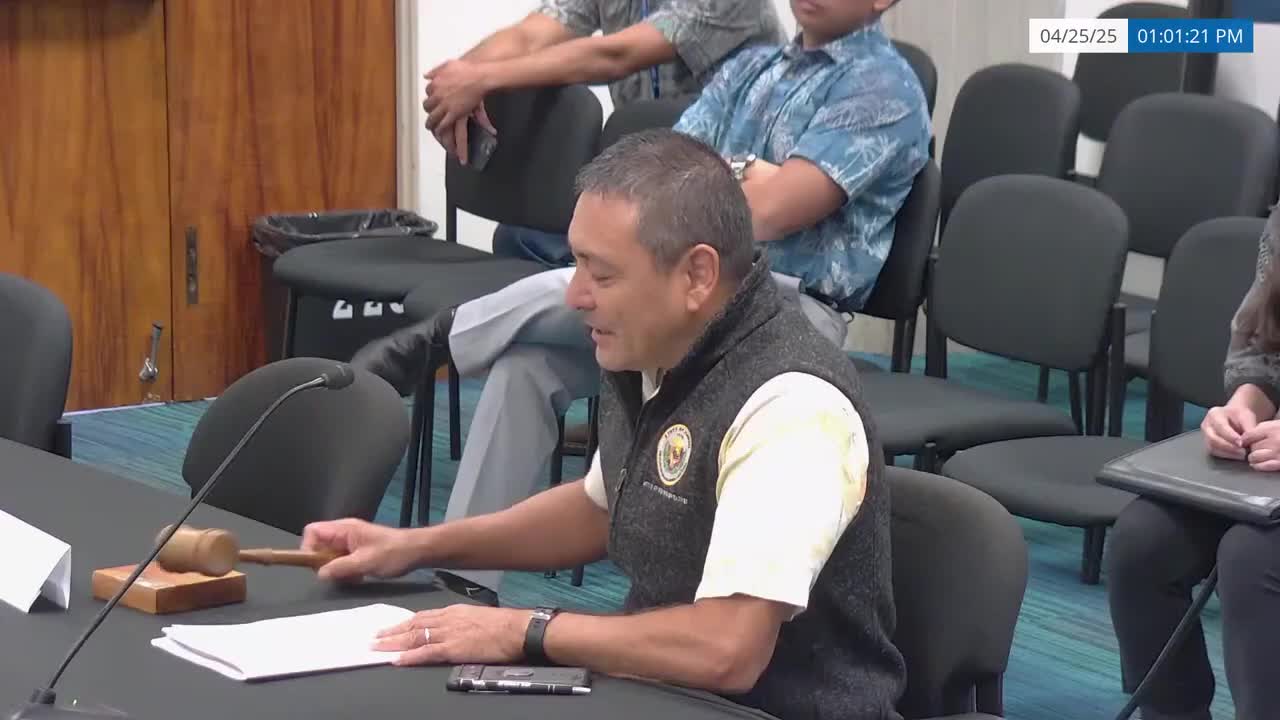 4MIN
Conference Committee
 49SEC
Conference Committee
 1MIN
Conference Committee
 31SEC
Senate Floor
 17MIN
Senate Standing Committee on Agriculture and Environment
17MIN
Senate Standing Committee on Higher Education
 2MIN
House Standing Committee on Finance
 4MIN
House Standing Committee on Higher Education
Bill Author