SB 2961: Homeowners Insurance; Additional Living Expenses Benefits; Lease of Temporary Primary Residence; Advance Payments; Extended Coverage; State of Emergency
- Session Year: 2025-2026
- House: Senate
- Latest Version Date: 2026-03-27
Current Status:
Failed
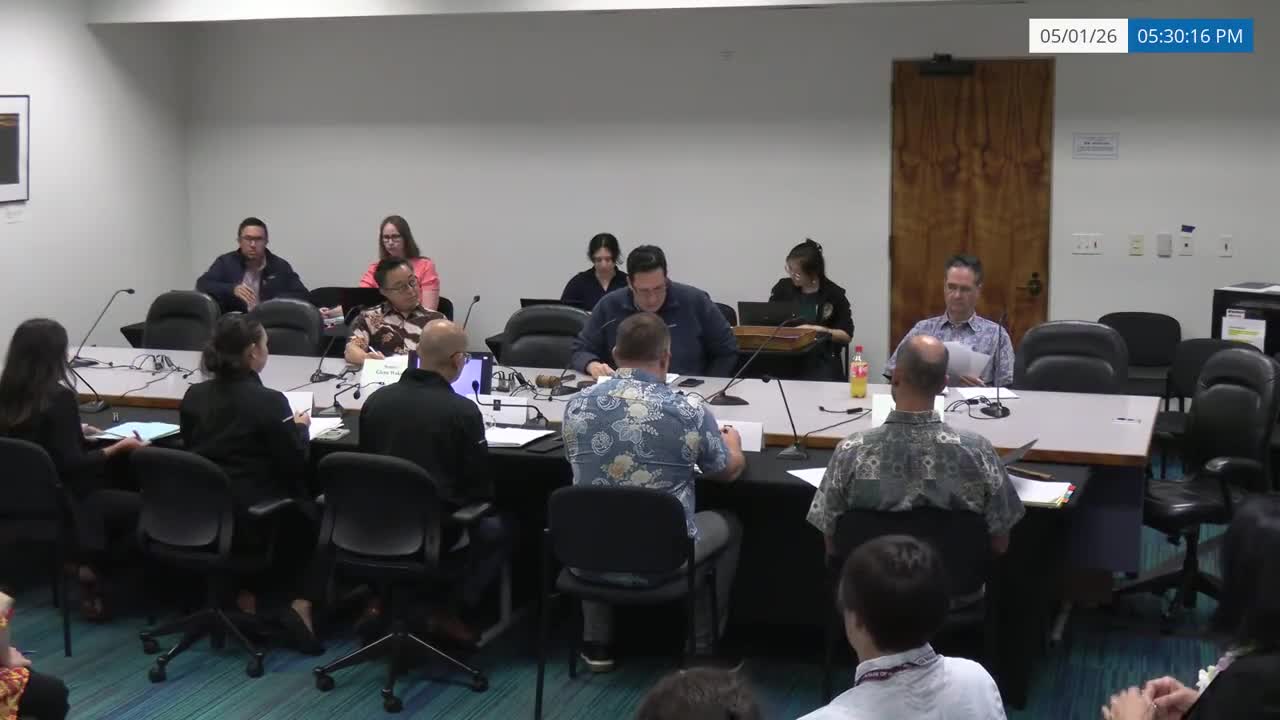
(2026-05-01: Conference committee meeting to reconvene on 05-01-26 5:30 PM; Conference Room 224.)
Introduced
In Committee
First Chamber
In Committee
Second Chamber
Final Decking
Enacted
Requires homeowners insurance policies to permit an insured who sustains a total loss from a peril for which a state of emergency was declared to (1) apply additional living expenses benefits toward the lease of a housing unit to serve as the insured's temporary primary residence; (2) pay an advance of at least four months of additional living expenses benefits; and (3) provide additional living expenses benefits for a minimum of twenty-four months, subject to policy limits. Provides for extensions of additional living expenses benefits under certain conditions. Effective 7/1/2050. (HD1)
Requires homeowners insurance policies to permit an insured who sustains a total loss to apply additional living expenses benefits toward the lease of a housing unit to serve as the insured's temporary primary residence. Requires insurers to pay an advance of at least 4 months of additional living expenses benefits after a total loss to an insured's primary dwelling caused by a covered peril that occurred pursuant to a state of emergency. Requires homeowners insurance policies to provide additional living expenses benefits for a minimum of 36 months in the event of a total loss that occurred during a state of emergency. Provides for extensions of additional living expenses benefits under certain conditions. Effective 7/1/2050. (SD1)
Requires homeowners insurance policies to permit an insured who sustains a total loss to apply additional living expenses benefits toward the purchase or lease of a housing unit to serve as the insured's temporary primary residence. Requires insurers to pay an advance of at least 4 months of additional living expenses benefits after a total loss to an insured's primary dwelling caused by a covered peril that occurred pursuant to a state of emergency. Requires homeowners insurance policies to provide additional living expenses benefits for a minimum of 36 months in the event of a total loss that occurred during a state of emergency. Provides for extensions of additional living expenses benefits under certain conditions.
|
THE SENATE |
S.B. NO. |
2961 |
|
THIRTY-THIRD LEGISLATURE, 2026 |
S.D. 1 |
|
|
STATE OF HAWAII |
H.D. 1 |
|
|
|
|
|
|
|
||
|
|
||
A BILL FOR AN ACT
RELATING TO INSURANCE.
BE IT ENACTED BY THE LEGISLATURE OF THE STATE OF HAWAII:
The devastation caused by the Maui wildfires highlighted the State's extreme vulnerability to major disasters and underscored the need for the State to proactively strengthen disaster recovery policies, improve housing resiliency, and ensure that every island is prepared to respond to future catastrophes, including wildfires, hurricanes, tsunami, floods, and volcanic eruptions.
The legislature further finds that, although federal and state disaster housing programs may provide temporary relief following disasters, they are insufficient to meet the long-term needs of displaced families, especially families facing rebuilding delays due to supply chain disruptions or workface shortages. Further complicating recovery is the fact that many survivors of natural disasters are underinsured and thus are unable to fully cover the cost to rebuild their homes. These families must seek additional funds, apply for loans, or rebuild incrementally.
These financial and logistical challenges result in long displacement timelines, often stretching five years or longer before permanent homes are completed. During this period, families must live in expensive, inadequate, or unstable living arrangements, such as hotels or crowded rentals, or are forced to relocate away from their communities.
The legislature finds that it is vital that families be able to remain in their communities during recovery so they can oversee rebuilding, protect their land, maintain cultural and community ties, and ensure that their voices are part of the recovery process.
The legislature finds that allowing homeowners more flexibility in the use of additional living expenses benefits will provide families with dignity, stability, and a practical path to remain close to home while supporting the State's long‑term recovery goals. Displaced insured persons often incur significant immediate expenses for lodging, deposits, and relocation after a total loss. Delays in the payment of additional living expenses can force survivors into debt, unsafe housing, or displacement from their communities. An advance payment standard would provide stability and ensure timely access to necessary housing during a critical period.
The legislature also recognizes that rebuilding timelines after disasters frequently exceed the standard duration of additional living expenses benefits due to factors beyond the insured's control. Providing a uniform minimum additional living expenses benefits duration, with mechanisms for extensions, will prevent bankruptcies, premature displacements, financial hardships, and homelessness.
Accordingly, the purpose of this Act is to provide insured persons with greater flexibility in using additional living expenses benefits by requiring insurers to:
(1) Authorize the use of additional living expenses benefits for the lease of a housing unit to serve as the insured's temporary primary residence;
(2) Issue an advance payment of a certain amount of additional living expenses benefits following the determination of a total loss caused by a covered peril that occurred during a state of emergency; and
(3) Provide additional living expenses benefits for a minimum of thirty-six months from the date of a total loss that occurred during a state of emergency.
SECTION 2. Chapter 431, Hawaii Revised Statutes, is amended by adding a new part to article 10E to be appropriately designated and to read as follows:
"Part . ADDITIONAL LIVING EXPENSEs BENEFITS; AUTHORIZED USES; ADVANCE PAYMENTS; DURATION
§431:10E-A Definitions. As used in this part:
"Additional living expenses benefits" means insurance coverage that pays for temporary housing expenses and certain other expenses resulting from a peril covered under a policy. "Additional living expenses benefits" includes loss of use benefits.
"Housing unit" means any housing used as a temporary primary residence. "Housing unit" includes a recreational vehicle, manufactured home, or tiny home.
"State of emergency" means a state of emergency or local state of emergency declared by the governor or a mayor pursuant to section 127A-14.
§431:10E-B Authorized uses; state of emergency; calculation; payment. (a) Notwithstanding any other law or policy language to the contrary, an insurer issuing or renewing a homeowners insurance policy in this State shall permit an insured who has sustained a total loss after a declared state of emergency to apply additional living expenses benefits toward the lease of a housing unit to serve as the insured's temporary primary residence.
(b) An insurer shall consider the lease of a housing unit pursuant to subsection (a) to be a reasonable and necessary expense if:
(1) The cost of the lease is less than or comparable to the total estimated cost of other reasonable temporary housing unit options for the anticipated displacement period; or
(2) The insured's household has specific needs that are better met by a covered housing unit, including disability accommodations or the ability to remain on the premises of the insured property.
(c) The total amount payable under this section shall not exceed the limit of the policy's additional living expenses benefits.
(d) An insurer may require an insured to submit documentation of the price, condition, and intended use of the housing unit leased under this section.
(e) Except as provided in section 431:10E-D, nothing in this section shall be construed to extend the duration or dollar limit of additional living expenses benefits beyond the duration or dollar limit provided in the policy.
§431:10E-C Advance payments of additional living expenses benefits after state of emergency. (a) Upon determination of a total loss caused by a peril:
(1) That is covered under a homeowners insurance policy; and
(2) For which a state of emergency was declared,
an insurer, within ten business days of a request by the insured, shall issue an advance payment of no less than four months of the insured's additional living expenses benefits.
(b) An advance issued under subsection (a) shall not:
(1) Be construed to affect an insured's right to claim further additional living expenses benefits, subject to the policy's limits; or
(2) Alter any other terms or conditions of the additional living expenses benefits payment schedule stated in the policy.
§431:10E-D Extended duration for additional living expenses benefits; state of emergency. (a) In the event of a total loss caused by a peril:
(1) That is covered under a homeowners insurance policy; and
(2) For which a state of emergency was declared,
an insurer issuing or renewing a homeowners insurance policy in this State shall provide additional living expenses benefits for a minimum of twenty-four months from the date of the total loss, subject to the policy limits.
(b) An insurer shall grant extensions of additional living expenses benefits in six-month increments for a total period of no more than thirty-six months if there are delays to the permanent rebuilding of the insured primary residence because of permitting issues, materials shortages, labor shortages, or other factors outside of the control of the insured.
(c) Nothing in this section shall be construed to prohibit an insurer from allowing an insured additional time to collect:
(1) The full replacement cost; or
(2) Additional living expenses benefits beyond what is specified in the policy.
(d) Nothing in this section shall be construed to require an insurer to alter the terms and conditions of the insuring agreement."
SECTION 3. In codifying the new sections added by section 2 of this Act, the revisor of statutes shall substitute appropriate section numbers for the letters used in designating the new sections in this Act.
SECTION 4. This Act does not affect rights and duties that matured, penalties that were incurred, and proceedings that were begun before its effective date.
SECTION 5. This Act shall take effect on July 1, 2050, and shall apply to all homeowners insurance policies issued or renewed on or after that date.
Report Title:
Homeowners Insurance; Additional Living Expenses Benefits; Lease of Temporary Primary Residence; Advance Payments; Extended Coverage; State of Emergency
Description:
Requires homeowners insurance policies to permit an insured who sustains a total loss from a peril for which a state of emergency was declared to (1) apply additional living expenses benefits toward the lease of a housing unit to serve as the insured's temporary primary residence; (2) pay an advance of at least four months of additional living expenses benefits; and (3) provide additional living expenses benefits for a minimum of twenty-four months, subject to policy limits. Provides for extensions of additional living expenses benefits under certain conditions. Effective 7/1/2050. (HD1)
The summary description of legislation appearing on this page is for informational purposes only and is not legislation or evidence of legislative intent.
|
THE SENATE |
S.B. NO. |
2961 |
|
THIRTY-THIRD LEGISLATURE, 2026 |
S.D. 1 |
|
|
STATE OF HAWAII |
|
|
|
|
|
|
|
|
||
|
|
||
A BILL FOR AN ACT
RELATING TO INSURANCE.
BE IT ENACTED BY THE LEGISLATURE OF THE STATE OF HAWAII:
The devastation caused by the Maui wildfires highlighted the State's extreme vulnerability to major disasters and underscored the need for the State to proactively strengthen disaster recovery policies, improve housing resiliency, and ensure that every island is prepared to respond to future catastrophes, including wildfires, hurricanes, tsunami, floods, and volcanic eruptions.
The legislature further finds that, although federal and state disaster housing programs may provide temporary relief following disasters, they are insufficient to meet the long-term needs of displaced families, especially families facing rebuilding delays due to supply chain disruptions or workface shortages. Further complicating recovery is the fact that many survivors of natural disasters are underinsured and thus are unable to fully cover the cost to rebuild their homes. These families must seek additional funds, apply for loans, or rebuild incrementally.
These financial and logistical challenges result in long displacement timelines, often stretching five years or longer before permanent homes are completed. During this period, families must live in expensive, inadequate, or unstable living arrangements, such as hotels or crowded rentals, or are forced to relocate away from their communities.
The legislature finds that it is vital that families be able to remain in their communities during recovery so they can oversee rebuilding, protect their land, maintain cultural and community ties, and ensure that their voices are part of the recovery process.
The legislature finds that allowing homeowners more flexibility in the use of additional living expenses benefits will provide families with dignity, stability, and a practical path to remain close to home while supporting the State's long‑term recovery goals. Displaced insured persons often incur significant immediate expenses for lodging, deposits, and relocation after a total loss. Delays in the payment of additional living expenses can force survivors into debt, unsafe housing, or displacement from their communities. An advance payment standard would provide stability and ensure timely access to necessary housing during a critical period.
The legislature also recognizes that rebuilding timelines after disasters frequently exceed the standard duration of additional living expenses benefits due to factors beyond the insured's control. Providing a uniform minimum additional living expenses benefits duration, with mechanisms for extensions, will prevent bankruptcies, premature displacements, financial hardships, and homelessness.
Accordingly, the purpose of this Act is to provide insured persons with greater flexibility in using additional living expenses benefits by requiring insurers to:
(1) Authorize the use of additional living expenses benefits for the lease of a housing unit to serve as the insured's temporary primary residence;
(2) Issue an advance payment of a certain amount of additional living expenses benefits following the determination of a total loss caused by a covered peril that occurred during a state of emergency; and
(3) Provide additional living expenses benefits for a minimum of thirty-six months from the date of a total loss that occurred during a state of emergency.
SECTION 2. Chapter 431, Hawaii Revised Statutes, is amended by adding a new part to article 10E to be appropriately designated and to read as follows:
"Part . ADDITIONAL LIVING EXPENSEs BENEFITS; AUTHORIZED USES; ADVANCE PAYMENTS; DURATION
§431:10E-A Definitions. As used in this part:
"Additional living expenses benefits" refers to insurance coverage that pays for temporary housing expenses and certain other expenses resulting from a covered peril. "Additional living expenses benefits" includes loss of use benefits.
"Housing unit" means any housing used as a temporary primary residence and includes a recreational vehicle, manufactured home, or tiny home.
"State of emergency" means a state of emergency or local state of emergency declared by the governor or a mayor pursuant to section 127A-14.
§431:10E-B Authorized uses; state of emergency; calculation; payment. (a) Notwithstanding any other law or policy language to the contrary, an insurer issuing or renewing a homeowners insurance policy in this State shall permit an insured who has sustained a total loss after a declared state of emergency to apply additional living expenses benefits toward the lease of a housing unit to serve as the insured's temporary primary residence.
(b) An insurer shall consider the lease of a housing unit pursuant to subsection (a) to be a reasonable and necessary expense if:
(1) The cost of the lease is less than or comparable to the total estimated cost of other reasonable temporary housing options for the anticipated displacement period; or
(2) The insured's household has specific needs that are better met by a covered housing unit, including disability accommodations or the ability to remain on the premises of the insured property.
(c) The total amount payable under this section shall not exceed the limit of the policy's additional living expenses benefits.
(d) An insurer may require an insured to submit documentation of the price, condition, and intended use of the housing unit leased under this section.
(e) Except as provided in section 431:10E-D, nothing in this section shall be construed to extend the duration or dollar limit of additional living expenses benefits beyond the duration or dollar limit provided in the policy.
§431:10E-C Advance payments of additional living expenses benefits after state of emergency. (a) Upon determination of a total loss caused by a peril that:
(1) Is covered under a homeowners insurance policy; and
(2) Occurred pursuant to a state of emergency,
an insurer, within ten business days of a request by the insured, shall issue an advance payment of not less than four months of the insured's additional living expenses benefits.
(b) An advance issued under subsection (a) shall not:
(1) Be construed to affect an insured's right to claim further additional living expenses benefits, subject to the policy's limits; or
(2) Alter any other terms or conditions of the additional living expenses benefits payment schedule stated in the policy.
§431:10E-D Extended duration for additional living expenses benefits; state of emergency. (a) In the event of a total loss caused by a peril that:
(1) Is covered under a homeowners insurance policy; and
(2) Occurred during a state of emergency,
an insurer issuing or renewing a homeowners insurance policy in this State shall provide additional living expenses benefits for a minimum of thirty-six months from the date of the total loss.
(b) An insurer shall grant extensions of additional living expenses benefits in six-month increments if there are delays to the permanent rebuilding of the primary residence because of permitting issues, materials shortages, labor shortages, or other factors outside of the control of the insured.
(c) Nothing in this section shall be construed to prohibit an insurer from allowing an insured additional time to collect:
(1) The full replacement cost; or
(2) Additional living expenses benefits beyond what is specified in the policy.
(d) Nothing in this section shall be construed to require an insurer to alter the terms and conditions of the insuring agreement."
SECTION 3. In codifying the new sections added by section 2 of this Act, the revisor of statutes shall substitute appropriate section numbers for the letters used in designating the new sections in this Act.
SECTION 4. This Act does not affect rights and duties that matured, penalties that were incurred, and proceedings that were begun before its effective date.
SECTION 5. This Act shall take effect on July 1, 2050, and shall apply to all homeowners insurance policies issued or renewed on or after that date.
Report Title:
Homeowners Insurance; Additional Living Expenses; ALE Benefits; Lease of Temporary Primary Residence; Advance Payments; Extended Coverage; State of Emergency
Description:
Requires homeowners insurance policies to permit an insured who sustains a total loss to apply additional living expenses benefits toward the lease of a housing unit to serve as the insured's temporary primary residence. Requires insurers to pay an advance of at least 4 months of additional living expenses benefits after a total loss to an insured's primary dwelling caused by a covered peril that occurred pursuant to a state of emergency. Requires homeowners insurance policies to provide additional living expenses benefits for a minimum of 36 months in the event of a total loss that occurred during a state of emergency. Provides for extensions of additional living expenses benefits under certain conditions. Effective 7/1/2050. (SD1)
The summary description of legislation appearing on this page is for informational purposes only and is not legislation or evidence of legislative intent.
|
THE SENATE |
S.B. NO. |
2961 |
|
THIRTY-THIRD LEGISLATURE, 2026 |
|
|
|
STATE OF HAWAII |
|
|
|
|
|
|
|
|
||
|
|
||
A BILL FOR AN ACT
RELATING TO insurance.
BE IT ENACTED BY THE LEGISLATURE OF THE STATE OF HAWAII:
The devastation caused by the Maui wildfires highlighted Hawaii's extreme vulnerability to major disasters and underscored the need for the State to proactively strengthen disaster recover policies, improve housing resiliency, and ensure that every island is prepared to respond to future catastrophes, including wildfires, hurricanes, tsunami, floods, and volcanic eruptions.
The legislature further finds that, although federal and state disaster housing programs may provide temporary relief following disasters, they are insufficient to meet the long-term needs of displaced families, especially families facing rebuilding delays due to supply chain disruptions or workface shortages. Further complicating recovery is the fact that many survivors of natural disasters are underinsured and thus are unable to fully cover the cost to rebuild their homes. These families must seek additional funds, apply for loans, or rebuild incrementally.
These financial and logistical challenges result in long displacement timelines, often stretching five years or longer before permanent homes are completed. During this period, families must live in expensive, inadequate, or unstable living arrangements, such as hotels or crowded rentals, or are forced to relocate away from their communities.
The legislature finds that it is vital that families be able to remain in their communities during recovery so they can oversee rebuilding, protect their land, maintain cultural and community ties, and ensure that their voices are part of the recovery process. However, current insurance policies often prohibit the use of additional living expenses benefits, which are also referred to as loss of use benefits, for the purchase of a manufactured home or similar temporary unit, even when that option is more cost effective and stabilizing.
The legislature finds that allowing homeowners more flexibility in the use of additional living expenses benefits will provide families with dignity, stability, and a practical path to remain close to home while supporting the State's long‑term recovery goals. Displaced insured persons often incur significant immediate expenses for lodging, deposits, and relocation after a total loss. Delays in the payment of additional living expenses can force survivors into debt, unsafe housing, or displacement from their communities. An advance payment standard would provide stability and ensure timely access to necessary housing during a critical period.
The legislature also recognizes that rebuilding timelines after disasters frequently exceed the standard duration of additional living expenses benefits due to factors beyond the insured's control. Providing a uniform minimum additional living expenses benefits duration, with mechanisms for extensions, will prevent bankruptcies, premature displacements, financial hardships, and homelessness.
Accordingly, the purpose of this Act is to provide insured persons with greater flexibility in using additional living expenses benefits by requiring insurers to:
(1) Authorize the use of additional living expenses benefits for the purchase or lease of a housing unit to serve as the insured's temporary primary residence;
(2) Issue an advance payment of a certain amount of additional living expenses benefits following the determination of a total loss caused by a covered peril that occurred during a state of emergency; and
(3) Provide additional living expenses benefits for a minimum of thirty-six months from the date of a total loss that occurred during a state of emergency.
SECTION 2. Chapter 431, Hawaii Revised Statutes, is amended by adding a new part to article 10E to be appropriately designated and to read as follows:
"Part . ADDITIONAL LIVING EXPENSEs BENEFITS; AUTHORIZED USES; ADVANCE PAYMENTS; DURATION
§431:10E-A Definitions. As used in this part, unless the context otherwise requires:
"Additional living expenses benefits" refers to insurance coverage that pays for temporary housing expenses and certain other expenses resulting from a covered peril. "Additional living expenses" includes loss of use benefits.
"Housing unit" means any housing used as a temporary primary residence and includes a recreational vehicle, manufactured home, or tiny home.
"State of emergency" means a state of emergency or local state of emergency declared by the governor or a mayor pursuant to section 127A-14.
§431:10E-B Authorized uses; calculation; payment. (a) Notwithstanding any other law or policy language to the contrary, an insurer issuing or renewing a homeowners insurance policy in this State shall permit an insured who has sustained a total loss to apply additional living expenses benefits toward the purchase or lease of a housing unit to serve as the insured's temporary primary residence.
(b) An insurer shall consider the purchase or lease of a housing unit pursuant to subsection (a) to be a reasonable and necessary expense if:
(1) The cost of the purchase or lease is less than or comparable to the total estimated cost of other reasonable temporary housing options for the anticipated displacement period;
(2) No comparable long-term rental housing is reasonably available within miles of the insured property; or
(3) The insured's household has specific needs that are better met by a covered housing unit, including disability accommodations or the ability to remain on the premises of the insured property.
(c) The total amount payable under this section shall not exceed the limit of the policy's additional living expenses benefits.
(d) An insurer may require an insured to submit documentation of the purchase price, condition, and intended use of the housing unit purchased or leased under this section.
(e) Except as provided in section 431:10E-D, nothing in this section shall be construed to extend the duration or dollar limit of additional living expenses benefits beyond the duration or dollar limit provided in the policy.
§431:10E-C Advance payments of additional living expenses benefits after state of emergency. (a) Upon determination of a total loss caused by a peril that:
(1) Is covered under a homeowners insurance policy; and
(2) Occurred pursuant to a state of emergency,
an insurer, within seven calendar days of a request by the insured, shall issue an advance payment of no less than four months of the insured's additional living expenses benefits.
(b) An advance issued under subsection (a) shall not be construed to affect an insured's right to claim further additional living expenses benefits, subject to the policy's limits.
§431:10E-D Extended duration for additional living expenses benefits; states of emergency. (a) In the event of a total loss caused by a peril that:
(1) Is covered under a homeowners insurance policy; and
(2) Occurred during a state of emergency,
an insurer issuing or renewing a homeowners insurance policy in this State shall provide additional living expenses benefits for a minimum of thirty-six months from the date of the total loss.
(b) An insurer shall grant extensions of additional living expenses benefits in six-month increments if there are delays to the permanent rebuilding of the primary residence because of permitting issues, material shortages, labor shortages, or other factors outside of the control of the insured.
(c) Nothing in this section shall be construed to prohibit an insurer from allowing an insured additional time to collect:
(1) The full replacement cost; or
(2) Additional living expenses benefits beyond what is specified in the policy."
SECTION 3. In codifying the new sections added by section 2 of this Act, the revisor of statutes shall substitute appropriate section numbers for the letters used in designating the new sections in this Act.
SECTION 4. This Act does not affect rights and duties that matured, penalties that were incurred, and proceedings that were begun before its effective date.
SECTION 5. This Act shall take effect on January 1, 2027, and shall apply to all homeowners insurance policies issued or renewed on or after that date.
|
INTRODUCED BY: |
_____________________________ |
|
|
|
Report Title:
Homeowners Insurance; Additional Living Expenses; ALE Benefits; Purchase or Lease of Temporary Primary Residence; Advance Payments; Extended Coverage
Description:
Requires homeowners insurance policies to permit an insured who sustains a total loss to apply additional living expenses benefits toward the purchase or lease of a housing unit to serve as the insured's temporary primary residence. Requires insurers to pay an advance of at least 4 months of additional living expenses benefits after a total loss to an insured's primary dwelling caused by a covered peril that occurred pursuant to a state of emergency. Requires homeowners insurance policies to provide additional living expenses benefits for a minimum of 36 months in the event of a total loss that occurred during a state of emergency. Provides for extensions of additional living expenses benefits under certain conditions.
The summary description of legislation appearing on this page is for informational purposes only and is not legislation or evidence of legislative intent.
|
Date
|
Status
|
|---|---|
| May 1, 2026 | Conference committee meeting to reconvene on 05-01-26 5:30 PM; Conference Room 224. |
| Apr 30, 2026 | Conference committee meeting to reconvene on 05-01-26 2:30PM; Conference Room 224. |
| Apr 29, 2026 | Conference committee meeting to reconvene on 04-30-26 2:30PM; Conference Room 224. |
| Apr 28, 2026 | Conference Committee Meeting will reconvene on Wednesday 04-29-26 2:30PM in conference room 224. |
| Apr 28, 2026 | Conference committee meeting to reconvene on 04-29-26 2:30PM; CR 224. |
| Apr 27, 2026 | Conference committee meeting to reconvene on 04-28-26 2:30PM; Conference Room 224. |
| Apr 24, 2026 | Bill scheduled for Conference Committee Meeting on Monday, 04-27-26 2:30PM in conference room 224. |
| Apr 23, 2026 | Received notice of Senate conferees (Sen. Com. No. 740). |
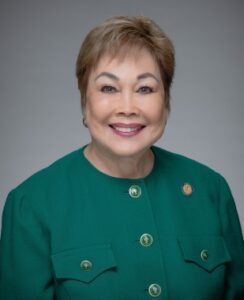
| Apr 23, 2026 | Senate Conferees Appointed: Keohokalole Chair; Wakai Co-Chair; Awa. |
| Apr 20, 2026 | Received notice of appointment of House conferees (Hse. Com. No. 787). |
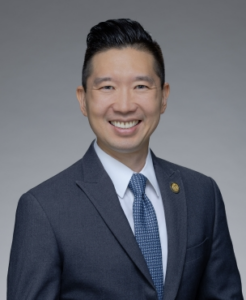
| Apr 20, 2026 | House Conferees Appointed: Matayoshi, Yamashita Co-Chairs; Pierick. |
| Apr 16, 2026 | Received notice of disagreement (Sen. Com. No. 710). |
| Apr 16, 2026 | Senate disagrees with House amendments. |
| Apr 16, 2026 | Received from House (Hse. Com. No. 719). |
| Apr 14, 2026 | Passed Third Reading with none voting aye with reservations; none voting no (0) and none excused (0). Transmitted to Senate. |
| Apr 10, 2026 | Reported from FIN (Stand. Com. Rep. No. 2088-26), recommending passage on Third Reading. |
| Apr 7, 2026 | The committee on FIN recommend that the measure be PASSED, UNAMENDED. The votes were as follows: 16 Ayes: Representative(s) Todd, Takenouchi, Hartsfield, Hussey, Keohokapu-Lee Loy, Kitagawa, Kusch, Lee, M., Miyake, Morikawa, Perruso, Templo, Yamashita, Alcos, Gedeon, Reyes Oda; Ayes with reservations: none; 0 Noes: none; and 0 Excused: none. |
| Apr 2, 2026 | Bill scheduled to be heard by FIN on Tuesday, 04-07-26 2:00PM in House conference room 308 VIA VIDEOCONFERENCE. |
| Mar 30, 2026 | Passed Second Reading as amended in HD 1 and referred to the committee(s) on FIN with none voting aye with reservations; none voting no (0) and Representative(s) Cochran, Lowen, Perruso, Quinlan excused (4). |
| Mar 30, 2026 | Reported from CPC (Stand. Com. Rep. No. 1536-26) as amended in HD 1, recommending passage on Second Reading and referral to FIN. |
| Mar 25, 2026 | The committee on CPC recommend that the measure be PASSED, WITH AMENDMENTS. The votes were as follows: 11 Ayes: Representative(s) Matayoshi, Grandinetti, Chun, Ilagan, Ichiyama, Iwamoto, Kong, Lowen, Marten, Tam, Pierick; Ayes with reservations: none; Noes: none; and Excused: none. |
| Mar 23, 2026 | Bill scheduled to be heard by CPC on Wednesday, 03-25-26 2:00PM in House conference room 329 VIA VIDEOCONFERENCE. |
| Mar 10, 2026 | Referred to CPC, FIN, referral sheet 16 |
| Mar 10, 2026 | Pass First Reading |
| Mar 6, 2026 | Received from Senate (Sen. Com. No. 92) in amended form (SD 1). |
| Mar 6, 2026 | Report Adopted; Passed Third Reading. Ayes, 24; Aye(s) with reservations: none. Noes, 0 (none). Excused, 1 (Senator(s) Ihara). Transmitted to House. |
| Mar 5, 2026 | One Day Notice 03-06-26. |
| Mar 5, 2026 | Reported from WAM (Stand. Com. Rep. No. 2747) with recommendation of passage on Third Reading. |
| Mar 3, 2026 | The committee(s) on WAM recommend(s) that the measure be PASSED, UNAMENDED. The votes in WAM were as follows: 12 Aye(s): Senator(s) Dela Cruz, Moriwaki, DeCoite, Elefante, Hashimoto, Inouye, Kanuha, Kidani, Kim, Lee, C., Richards, Wakai; Aye(s) with reservations: none ; 0 No(es): none; and 1 Excused: Senator(s) Fevella. |
| Feb 25, 2026 | The committee(s) on WAM deferred the measure until 03-03-26 10:15AM; Conference Room 211 & Videoconference. |
| Feb 23, 2026 | The committee(s) on WAM will hold a public decision making on 02-25-26 10:56AM; Conference Room 211 & Videoconference. |
| Feb 19, 2026 | Report adopted; Passed Second Reading, as amended (SD 1) and referred to WAM. |
| Feb 19, 2026 | Reported from CPN (Stand. Com. Rep. No. 2393) with recommendation of passage on Second Reading, as amended (SD 1) and referral to WAM. |
| Feb 11, 2026 | The committee(s) on CPN recommend(s) that the measure be PASSED, WITH AMENDMENTS. The votes in CPN were as follows: 4 Aye(s): Senator(s) Keohokalole, Fukunaga, McKelvey, Awa; Aye(s) with reservations: none ; 0 No(es): none; and 1 Excused: Senator(s) Lamosao. |
| Feb 5, 2026 | The committee(s) on CPN has scheduled a public hearing on 02-11-26 9:30AM; CR 229 & Videoconference. |
| Jan 30, 2026 | Referred to CPN, WAM. |
| Jan 26, 2026 | Passed First Reading. |
| Jan 23, 2026 | Introduced. |
|
Date
|
Description
|
Location
|
Votes
|
|
|---|---|---|---|---|
| Apr 14, 2026 | Third Reading | House Floor |
Passed |
|
| Apr 7, 2026 | The committee on FIN recommend that the measure be PASSED, UNAMENDED | House Standing Committee on Finance |
Passed |
|
| Mar 25, 2026 | The committee on CPC recommend that the measure be PASSED, WITH AMENDMENTS | House Standing Committee on Consumer Protection & Commerce |
Passed |
|
| Mar 6, 2026 | Third Reading | Senate Floor |
Passed |
|
| Mar 3, 2026 | The committee(s) on WAM recommend(s) that the measure be PASSED, UNAMENDED | Senate Standing Committee on Ways and Means |
Passed |
|
| Feb 11, 2026 | The committee(s) on CPN recommend(s) that the measure be PASSED, WITH AMENDMENTS | Senate Standing Committee on Commerce and Consumer Protection |
Passed |
This list shows positions taken on this bill by organizations on the date displayed, which is linked to the original source.
Positions by individuals are not included.
|
Organization
|
Position
|
Date
|
|---|---|---|
| Aloha Independent Living Hawaii | *** Support | Apr 7, 2026 |
| Aloha Independent Living Hawaii (AILH) | *** Support | Apr 7, 2026 |
| Chamber of Sustainable Commerce | *** Support | Feb 27, 2026 |
| Department of Commerce and Consumer Affairs | *** Support | Apr 7, 2026 |
| Department of Commerce and Consumer Affairs, Insurance Division | *** Support | Apr 7, 2026 |
| Hope Homes Foundation | *** Support | Mar 25, 2026 |
| National Association of Mutual Insurance Companies (NAMIC) | *** Against | Mar 25, 2026 |
| PONO Legal | *** Support | Mar 25, 2026 |
| United Policyholders | *** Support | Mar 25, 2026 |
STAND. COM. REP. NO. 2747
Honolulu, Hawaii
RE: S.B. No. 2961
S.D. 1
Honorable Ronald D. Kouchi
President of the Senate
Thirty-Third State Legislature
Regular Session of 2026
State of Hawaii
Sir:
Your Committee on Ways and Means, to which was referred S.B. No. 2961, S.D. 1, entitled:
"A BILL FOR AN ACT RELATING TO INSURANCE,"
begs leave to report as follows:
The purpose and intent of this measure is to provide insured persons with greater flexibility and opportunity to use additional living expenses benefits paid by insurers.
More specifically, this measure requires insurers to:
(1) Authorize the use of additional living expenses benefits to lease a housing unit as a temporary primary residence;
(2) Issue an advance payment of additional living expenses benefits after a total loss during a state of emergency; and
(3) Provide additional living expenses benefits for a minimum of thirty-six months after a total loss.
Your Committee received written comments in support of this measure from United Policyholders and four individuals.
Your Committee received written comments on this measure from the Department of Commerce and Consumer Affairs.
Your Committee finds that the State's geographic isolation, preexisting housing shortage, high cost of living, and reliance on limited and fragile supply chains for construction materials complicate disaster recovery. Rebuilding timelines after disasters are protracted, and homeowners displaced by disasters often face prolonged housing instability while awaiting insurance proceeds to begin rebuilding or to secure replacement housing. Additional living expenses benefits provided by insurers are often terminated long before an insured person's housing situation has stabilized. Requiring longer payment periods and payments in advance that may be used to lease temporary replacement housing will assist displaced homeowners and help reduce housing instability after a disaster.
As affirmed by the record of votes of the members of your Committee on Ways and Means that is attached to this report, your Committee is in accord with the intent and purpose of S.B. No. 2961, S.D. 1, and recommends that it pass Third Reading.
Respectfully submitted on behalf of the members of the Committee on Ways and Means,
|
|
|
________________________________ DONOVAN M. DELA CRUZ, Chair |
|
|
|
|
STAND. COM. REP. NO. 2393
Honolulu, Hawaii
RE: S.B. No. 2961
S.D. 1
Honorable Ronald D. Kouchi
President of the Senate
Thirty-Third State Legislature
Regular Session of 2026
State of Hawaii
Sir:
Your Committee on Commerce and Consumer Protection, to which was referred S.B. No. 2961 entitled:
"A BILL FOR AN ACT RELATING TO INSURANCE,"
begs leave to report as follows:
The purpose and intent of this measure is to:
(1) Require homeowners insurance policies to permit an insured who sustains a total loss to apply additional living expenses benefits toward the purchase or lease of a housing unit to serve as the insured's temporary primary residence;
(2) Require insurers to pay an advance of at least four months of additional living expenses benefits after a total loss to an insured's primary dwelling caused by a covered peril that occurred pursuant to a state of emergency;
(3) Require homeowners insurance policies to provide additional living expenses benefits for a minimum of thirty-six months in the event of a total loss that occurred during a state of emergency; and
(4) Provide for extensions of additional living expenses benefits under certain conditions.
Your Committee received testimony in support of this measure from one individual.
Your Committee received testimony in opposition to this measure from the National Association of Mutual Insurance Companies.
Your Committee received comments on this measure from the Insurance Division of the Department of Commerce and Consumer Affairs, Hawaii Insurers Council, and one individual.
Your Committee finds that the State is uniquely affected by natural disasters and faces many challenges during the recovery process, particularly in relation to property insurance and additional living expenses benefits claims. This measure would provide greater certainty for insureds in the State in the event of a total loss to their home as a result of natural disasters by clarifying the conditions for additional living expenses benefits payments.
Your Committee has amended this measure by:
(1) Deleting language throughout the measure that would have allowed an insured to use additional living expenses benefits to purchase a housing unit;
(2) Inserting language that clarifies that the measure's provisions apply when a state of emergency has been declared;
(3) Clarifying insurers shall have ten business days, rather than seven calendar days, to issue an advance payment to an insured, upon request;
(4) Inserting language that clarifies that an advance payment of additional living expenses benefits does not alter other terms or conditions of the additional living expenses benefits payment schedule;
(5) Inserting language that clarifies that an insurer shall not be required to alter the terms and conditions of the insuring agreement during an extended duration period;
(6) Amending section 1 to reflect its amended purpose;
(7) Inserting an effective date of July 1, 2050, to encourage further discussion; and
(8) Making technical, nonsubstantive amendments for the purposes of clarity and consistency.
As affirmed by the record of votes of the members of your Committee on Commerce and Consumer Protection that is attached to this report, your Committee is in accord with the intent and purpose of S.B. No. 2961, as amended herein, and recommends that it pass Second Reading in the form attached hereto as S.B. No. 2961, S.D. 1, and be referred to your Committee on Ways and Means.
Respectfully submitted on behalf of the members of the Committee on Commerce and Consumer Protection,
|
|
|
________________________________ JARRETT KEOHOKALOLE, Chair |
|
|
|
|
|
Date
|
Testimony PDF
|
|---|---|
| Apr 7, 2026 | SB2961_HD1_TESTIMONY_FIN_04-07-26_.PDF |
| Mar 25, 2026 | SB2961_SD1_TESTIMONY_CPC_03-25-26_.PDF |
| Feb 27, 2026 | SB2961_SD1_TESTIMONY_WAM_02-25-26_.PDF |
| Feb 11, 2026 | SB2961_TESTIMONY_CPN_02-11-26_.PDF |
Discussed in Hearing
 53SEC
Conference Committee
 58SEC
Conference Committee
 1MIN
Conference Committee
 1MIN
Conference Committee
 53SEC
Conference Committee
 1MIN
Conference Committee
 4MIN
House Standing Committee on Consumer Protection & Commerce
 1MIN
House Standing Committee on Consumer Protection & Commerce
Bill Author